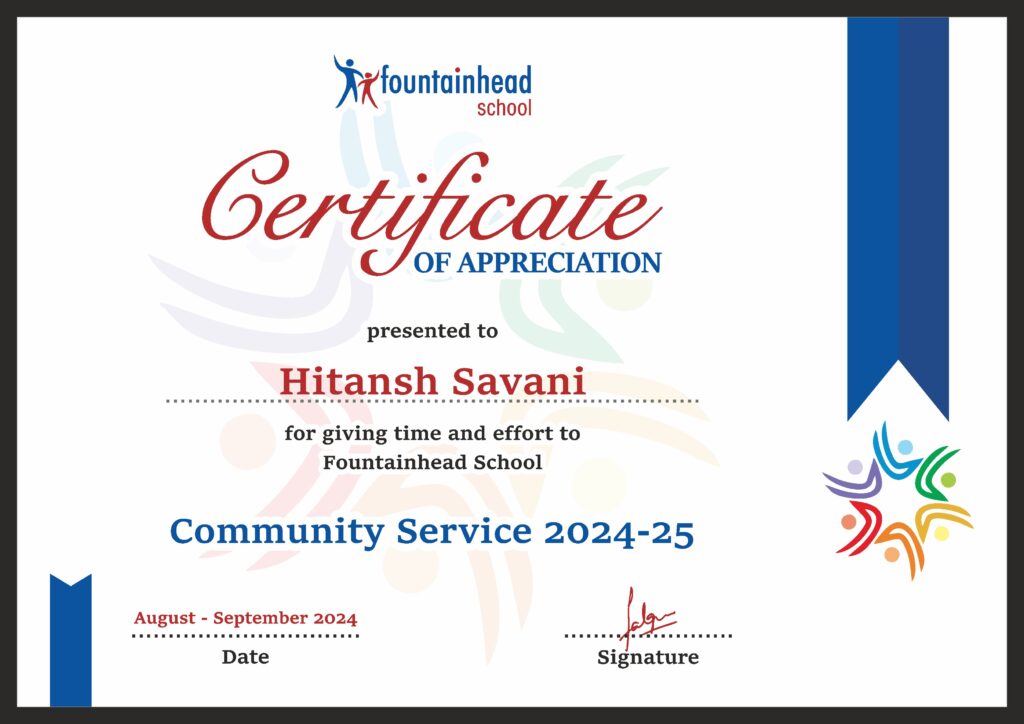
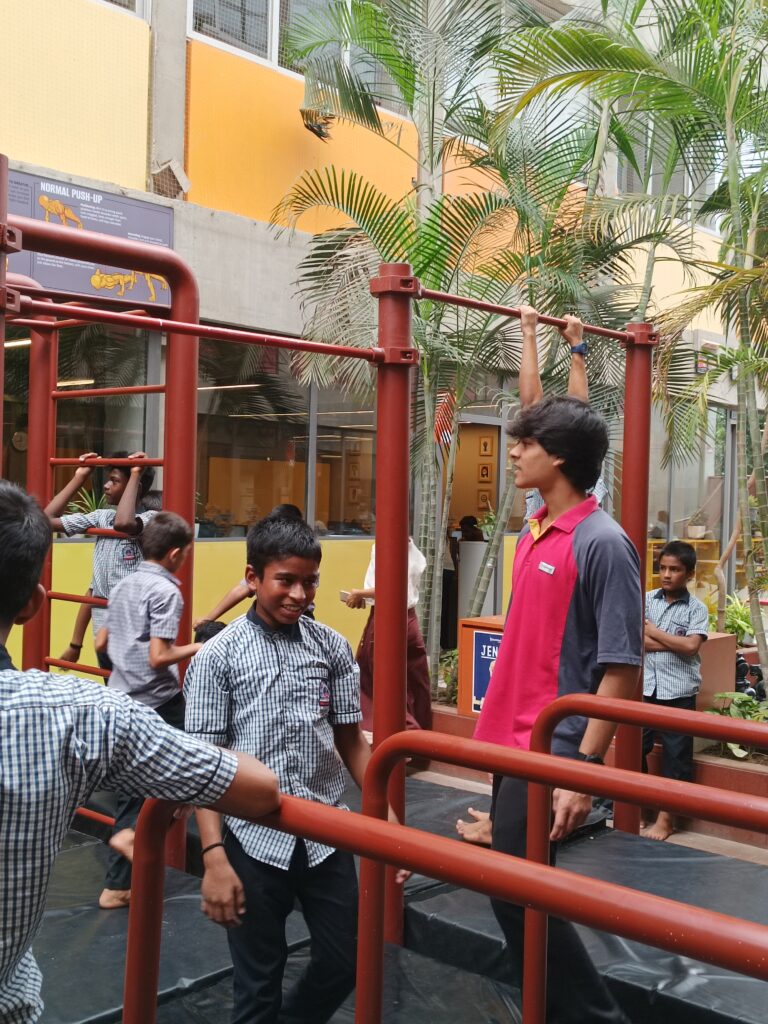
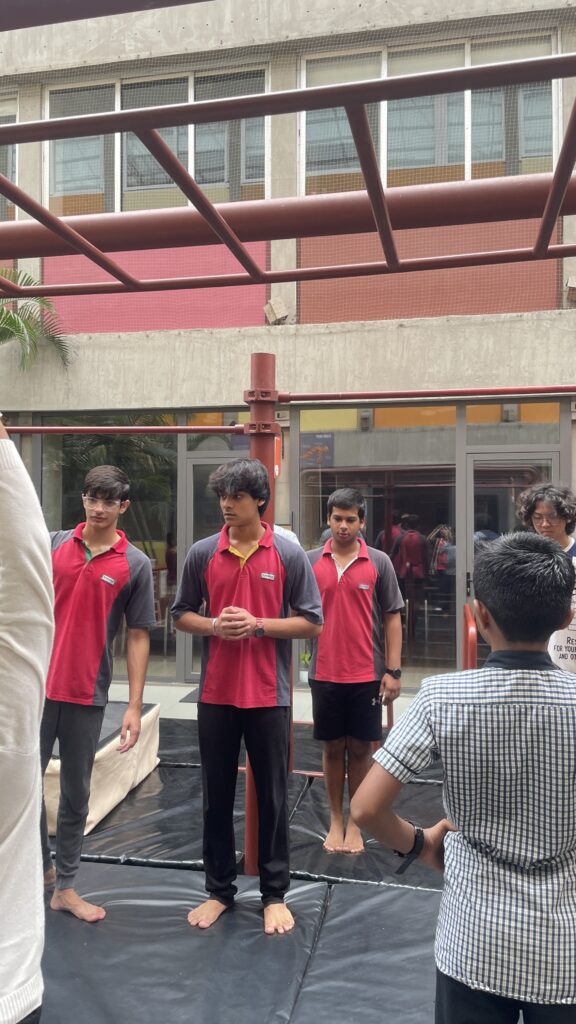
For 3 weekends, my team and I conducted a calisthenics course for children from underprivileged schools who would come to our school. The activity aimed to introduce these children to fitness, discipline, and physical well-being through simple, accessible exercises that require no equipment. My goal was to create an engaging and supportive environment where the children could learn basic calisthenics, understand the importance of physical activity, and develop confidence in their abilities. Additionally, I aimed to improve my teamwork, leadership, and communication skills while making a positive impact on the health and lifestyles of the children.
LO2: Demonstrate that challenges have been undertaken, developing new skills in the process
Since many of the kids were worried to participate in the callisthenics sessions because they were unfamiliar with formal physical exercise, the biggest problem was keeping them interested and attentive. By simplifying tasks, providing encouragement, and adding interactive elements into the lessons, I improved my teaching approach. My team and I were able to overcome this obstacle by working closely together. I became more confident in my leadership and communication skills after realising that I could successfully explain and convey ideas. Future positions involving team leadership or instructing others will benefit from this skill. I gained patience and flexibility from taking on this assignment. It reminded how crucial it is to acquire new skills in order to develop ourselves and make a significant contribution to society.
LO3: Demonstrate how to initiate and plan a CAS experience
Working with my team to develop a structured schedule for the callisthenics sessions helped me stay organised. We made sure we had an exact schedule to stick to, assigned tasks to each other, and prepared workouts beforehand. Although I think I’m very organised, this task required more focus particularly in terms of efficiently managing time and coordinating with teammates. Since it involved establishing a connection with the kids and making sure they felt at comfortable enough to participate, starting was more difficult. Over time, this became simpler with careful planning. I learnt how to efficiently plan and run the courses by developing abilities like time management, teamwork coordination, and flexibility. My confidence in organising and starting activities has increased as a result of this experience and I think it will be simpler going forward because I now recognise how crucial organisation and preparation are. The ability to plan and start activities is essential because it helps achieving specific goals, guarantees the proper use of resources, and allows easier execution all of which improve results.
LO5: Demonstrate the skills and recognize the benefits of working collaboratively
I normally find it simple to work with others since I like to share ideas, collaborate, and learn fresh perspectives. Working with my team throughout this exercise was comparatively simple because we all had the same objective: to properly teach the kids. To make sessions run smoothly, we divided duties, helped one another, and had excellent communication. On occasion, there were disagreements about how to organise the sessions. I managed this by remaining calm, paying attention to other people, and coming to an agreement that suited everyone. Collaborating enhances problem solving skills, combines skills, and allows properly achieving goals. For the classes to be properly planned and delivered, teamwork was essential. We were able to mentor and engage the kids thanks to leadership. Both made certain that the activity was both fruitful and fun for all participants.
LO6: Demonstrate engagement with issues of global significance
The lack of opportunities for physical education and exercise in poor communities is the global issue I worked upon. This is a major issue globally since many people lack the resources or knowledge to incorporate regular physical activity into their life, despite the fact that it is crucial for health and wellbeing. Through my observations of inequalities in fitness guidance, I became aware of this problem. Being aware of global issues like this helps me grow personally by making me more proactive in coming up with solutions and more empathetic. I feel a great sense of obligation to help in eliminating these gaps. I felt inspired by this CAS experience because I knew that, even in a tiny way, my work may improve children’s health, self-esteem, and lifestyles.
I gained the learner profile attributes of Communicator and Caring from this experience. Teaching callisthenics to underprivileged kids required compassion, open communication, and an emphasis on encouraging physical health. As it emphasised the value of individual health and sustainable methods in community development, this connects to my ESS studies. Witnessing the kids’ confidence and delight in learning something new was the highlight of this experience. My caring beliefs were strengthened, but I also came to see how even small acts may have a big impact too. Besides teaching me patience, leadership, and flexibility, this experience gave me a great sense of success. To keep the kids even more interested, I would add additional interactive games if I were to do it over. I will benefit from the abilities I gained like leadership and teamwork in upcoming group projects and activities. I’m motivated to support accessible fitness activities for everyone as a result of this CAS experience. It illustrated how actions and choices show compassion, empathy, and respect, encouraging innovative thinking while solving difficulties in an atmosphere of care.