Garba Fest is an event that allows both students and staff to connect with the cultural heritage that Gujarat signifies, fostering inclusivity and diversity by bringing together people from different backgrounds to celebrate this traditional Gujarati dance form.
Garba not only helps preserve and celebrate tradition in modern society, but it also creates an inclusive environment where individuals come together without social divisions, building a shared sense of joy and community for a few days. For me, this event was more than just an opportunity to connect with a culture, it was a way to express creativity through traditional décor, food, and attire, all of which enhanced the festive atmosphere. I contributed as part of the décor team, where we designed and set up the visual aesthetics of the event, while also actively participating in the Garba dance itself. Being part of the dance energized me, helping me express myself artistically while also engaging in a physical activity rooted in cultural tradition. The experience gave me a chance to combine creativity, collaboration, and cultural appreciation, offering this same opportunity to others through the event.

LO 2 Demonstrate that challenges have been undertaken, developing new skills in the process
The main challenges during the event were centered on self-management, particularly time management, and applying creative and critical thinking skills. Due to a lack of detailed initial planning, we were left with limited time for execution, which created last-minute pressure. This required immediate teamwork, collaboration, and creativity to make sure the décor and event preparation were ready on time. As a team, we held extra meetings to assign specific responsibilities and push forward the process. We focused on cultural elements such as lighting, posters, a photo booth, food stalls, music setup, and smaller decorative details, ensuring all of it aligned with the festive Gujarati theme.
The biggest challenge was handling the time crunch and ensuring responsibilities were fairly divided among team members. While this was difficult at first, we managed to overcome it by sharing responsibilities effectively and improving productivity with external support from staff and teachers. The experience taught me the importance of time management, event planning, and adapting under pressure. I realized that self-management skills, when paired with collaboration, are key to ensuring smooth event management. Going forward, I will be able to handle such events better by prioritizing planning and preparation from the very beginning.
LO 3 Demonstrate how to initiate and plan a CAS experience
At first, I approached the preparation by focusing only on one responsibility, working for hours to ensure it was done well. I assumed that if each person took charge of one task, efficiency would increase. However, this method turned out to be less effective, as it prioritized smaller tasks over the larger vision of the event. We soon realized that this approach was not sustainable, especially under time constraints.
To fix this, our team restructured our planning method by dividing tasks more strategically, keeping the larger picture in mind. We adopted a smarter work strategy rather than working harder in isolation. This shift allowed us to manage tasks more efficiently and work toward the final goal in an organized manner. Through this experience, I improved my organizational and self-management skills, learning that proper planning and initiation are crucial for the success of any event. Without them, even the most creative ideas can fall short. The event helped me understand how to strike a balance between small details and the overall outcome.
LO 5 Demonstrate the skills and recognize the benefits of working collaboratively
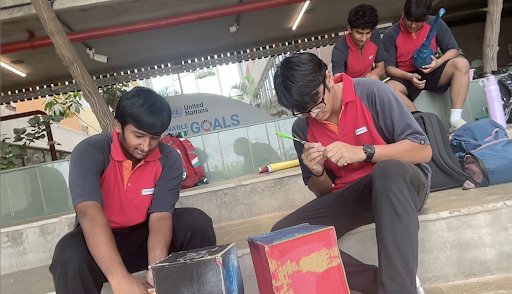
Working on the décor team for a large cultural event required strong collaboration. My main role was to contribute creative ideas for the traditional décor, and I was able to share these with the team while also listening to and building on the ideas of others. We divided responsibilities such as designing specific decorative pieces, managing lighting, and setting up the photo booth, and then combined our efforts to produce the final look. This process showed me the benefits of teamwork, where different perspectives and specializations came together to make the event more vibrant and successful.
Collaboration also made problem-solving easier. Whenever we faced issues, such as delays or limited resources, we pooled ideas and worked out solutions as a group. This not only increased efficiency but also helped us achieve a better final result. Through this teamwork, I recognized how important it is to rely on others, delegate responsibilities, and trust the collaborative process in order to accomplish a common goal effectively.
LO 7 Recognize and consider the ethics of choices and actions
While working on the décor, we also had to think carefully about the ethics of our decisions. It was important to make sure that the decorative elements respected Indian traditions and cultural symbols, avoiding anything that could be considered inappropriate or offensive. Additionally, we paid attention to sustainability. We consciously avoided using materials like single-use plastic or Styrofoam and instead reused resources from previous events wherever possible. We also designed décor pieces that could be reused in future events, which minimized waste and made our work more sustainable. These choices allowed us to balance cultural respect with environmental responsibility, ensuring our contribution had a positive impact.
Conclusion
To conclude, Garba Fest was a successful and rewarding experience, both in planning and in participation. The décor, combined with the dance and overall organization, created a cultural flow that immersed everyone in the festive spirit. For me personally, the experience was a blend of creativity and cultural expression, whether through designing the décor or dancing during the event itself.
Through this CAS experience, I was able to demonstrate myself as a Thinker, Communicator, and Open-Minded learner. I applied critical and creative thinking to design elements, communicated ideas effectively within my team, and remained open-minded to new perspectives and suggestions that shaped the event’s success. Participating in the Garba also added another dimension, as I engaged in cultural and artistic expression, further connecting with and appreciating a tradition that may not be my own but that I could still celebrate and learn from.
The skills I gained in creativity, organization, and collaboration will benefit me in future projects, enabling me to plan and execute events more effectively while also embracing cultural pride, inclusivity, and sustainability.
