CAS Blog: Ambapani Trip
The trip to Ambapani was an enriching and eye-opening experience. Over six days, I got the chance to step away from routine life and immerse myself in activities such as trekking, mud lippan, basket weaving, Warli painting, visiting an Ashramshala, plastic collection, and bird watching. Meeting the village sarpanch gave me a deeper understanding of rural governance and resource management, while the crafts and environmental activities gave me practical insights into sustainability and community life. This trip helped me learn new skills, explore my limits, and reflect on the importance of collaboration, humility, and conscious living.
LO1: Identify own strengths and develop areas for growth
I discovered that I am strong in teamwork and creativity, especially during group trekking and Warli painting. I was able to collaborate effectively with peers by dividing roles and supporting each other—for instance, when painting, we split the work across different walls while also helping each other with resources.
At the same time, I recognized areas of growth in patience and fine motor control, which were especially tested during basket weaving with bamboo. This showed me the importance of slowing down and focusing carefully to improve my precision.
LO2: Demonstrate that challenges have been undertaken, developing new skills in the process
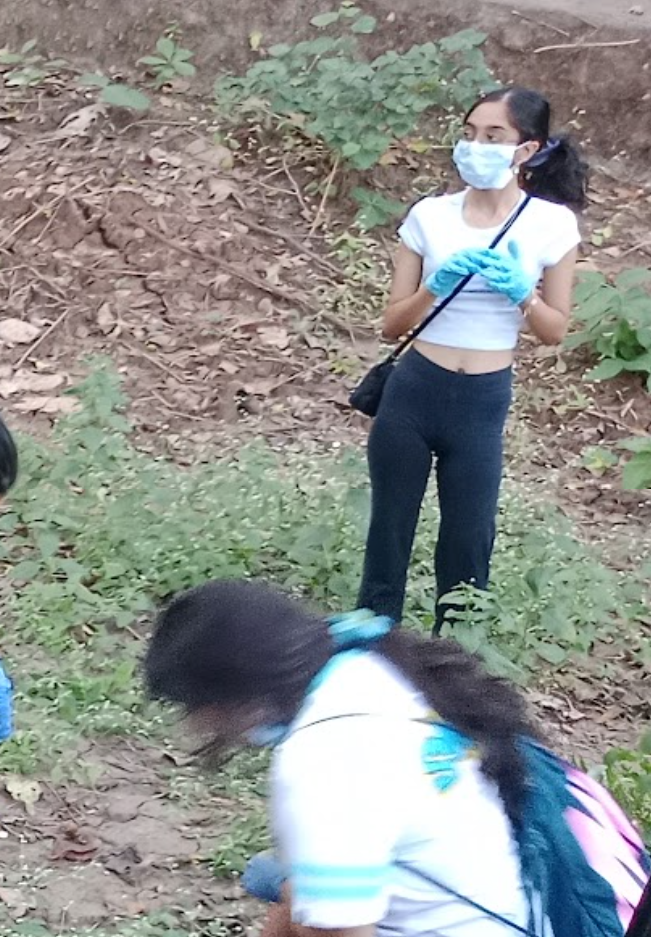
The Ambapani trip came with several challenges. Trekking demanded stamina and persistence, while adventure activities required courage and balance. Handling waste during garbage collection was initially uncomfortable, but I overcame this by reminding myself of the environmental importance. Crafts like mud lippan and bamboo weaving were completely new for me, yet engaging in them helped me develop both cultural appreciation and practical skills. Facing these challenges gave me confidence in my ability to try new things.
LO3: Demonstrate how to initiate and plan a CAS experience
This CAS trip required preparation and initiative from the beginning. Personally, I had to plan for the journey by packing appropriately and preparing for physical tasks such as trekking. During the trip, I took initiative by engaging with the locals—asking them questions about their crafts, daily life, and traditions—which deepened my learning. The structured itinerary of service, creativity, and activity also helped me appreciate how careful planning makes an experience meaningful and balanced.
LO4: Show commitment to, and perseverance in, CAS experiences
Commitment was necessary throughout the trip. Garbage collection was tiring, but I stayed engaged because I understood its significance for the environment. The crafts were time-consuming and sometimes frustrating, but I pushed through and was proud of the products I created. Trekking also tested my perseverance, but reaching the endpoint gave me a sense of achievement that made the effort worthwhile.
LO5: Demonstrate the skills and recognize the benefits of working collaboratively
Collaboration was central to the trip. During garbage collection, working together helped us finish the task more efficiently, and trekking required constant encouragement and support from one another. In the crafts, collaboration with locals was especially valuable since they shared their skills and guided us patiently. These moments highlighted how much stronger and enjoyable the experience becomes when we work together.
LO6: Demonstrate engagement with issues of global significance
Many activities on the trip reflected global issues. Garbage collection connected to the worldwide challenge of waste management. Crafts such as bamboo weaving and mud lippan highlighted the importance of sustainability and eco-friendly practices in a world facing environmental crises. Observing birds and flora gave me an appreciation for biodiversity and conservation. These experiences showed how even local actions are linked to broader issues of sustainability and cultural preservation.
LO7: Recognize and consider the ethics of choices and actions
Ethics were an important part of this experience. Collecting plastic waste made me reflect on how individual actions affect natural spaces. Learning traditional crafts required sensitivity and respect toward the community, ensuring their culture was represented authentically and not treated as novelty. I also recognized the ethical responsibility of protecting the environment, both during trekking and through sustainable practices. This taught me that every choice—big or small—carries consequences for the community and the world around us.