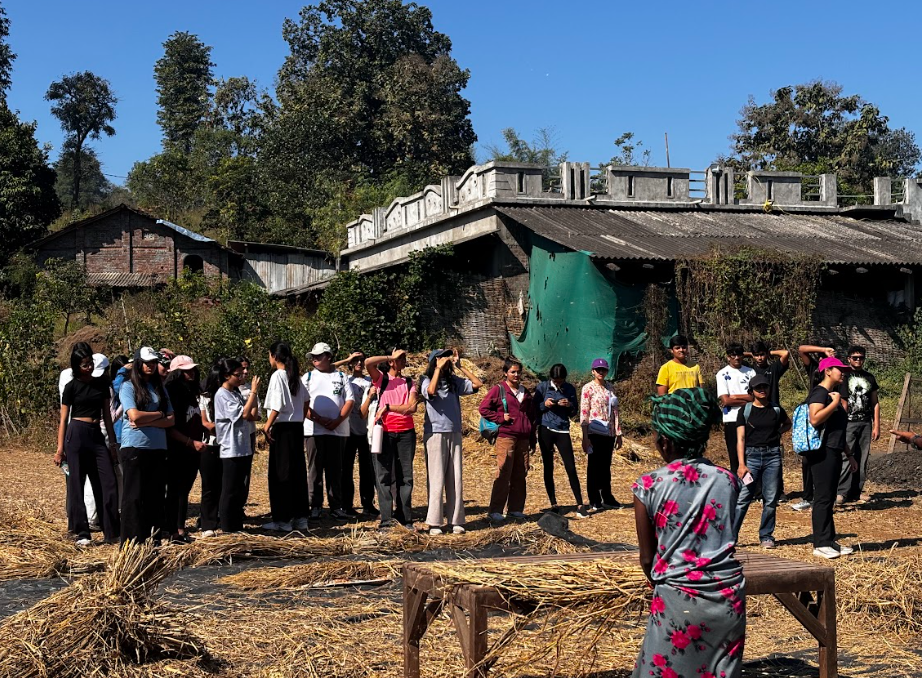
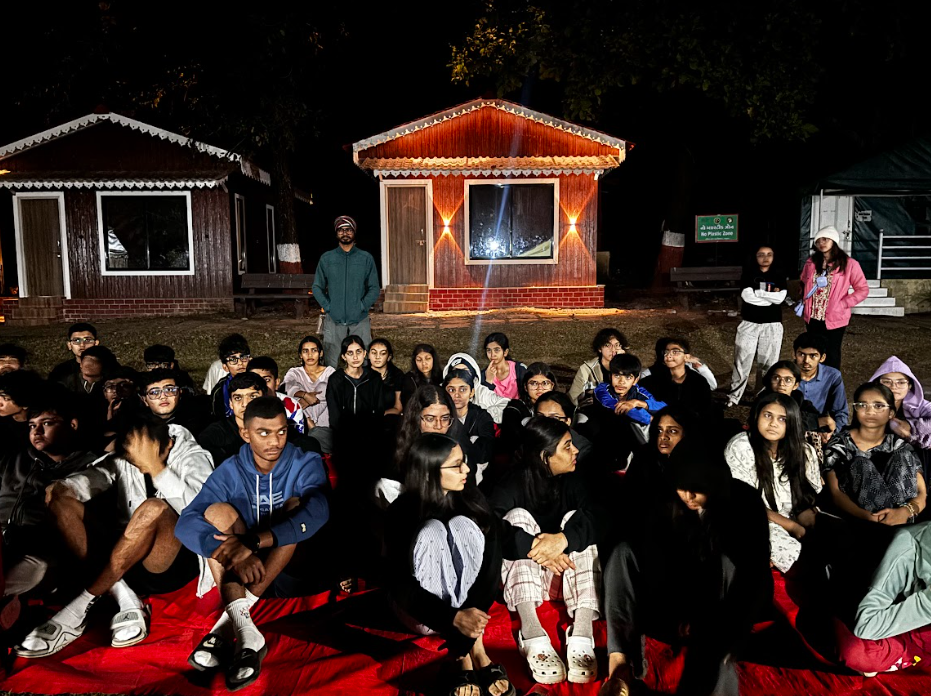
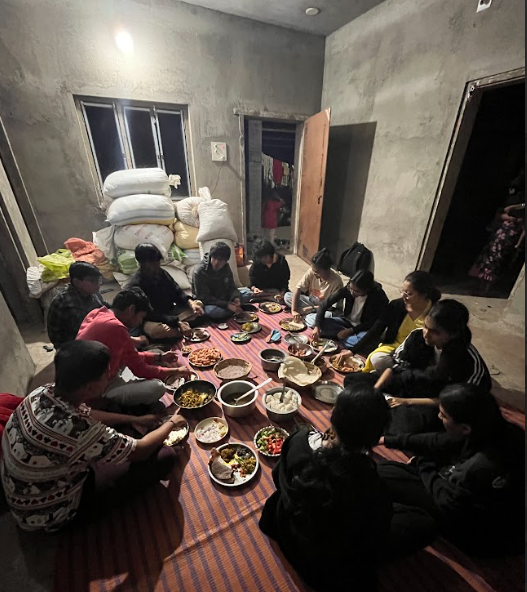
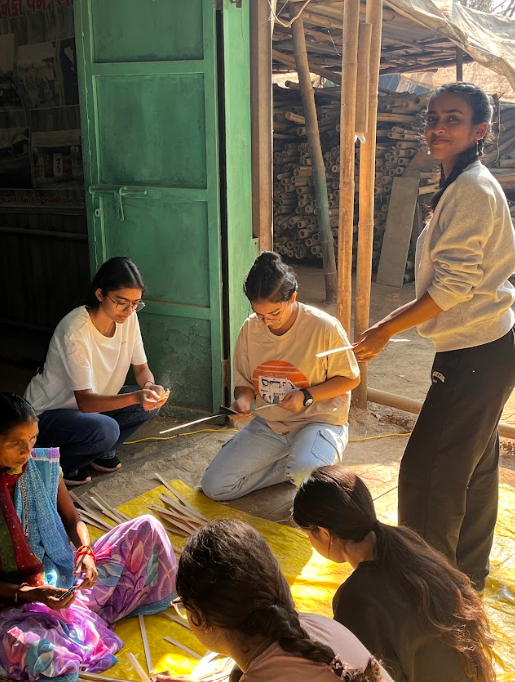
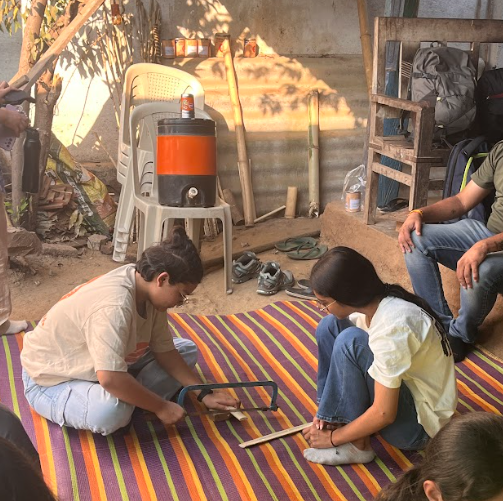
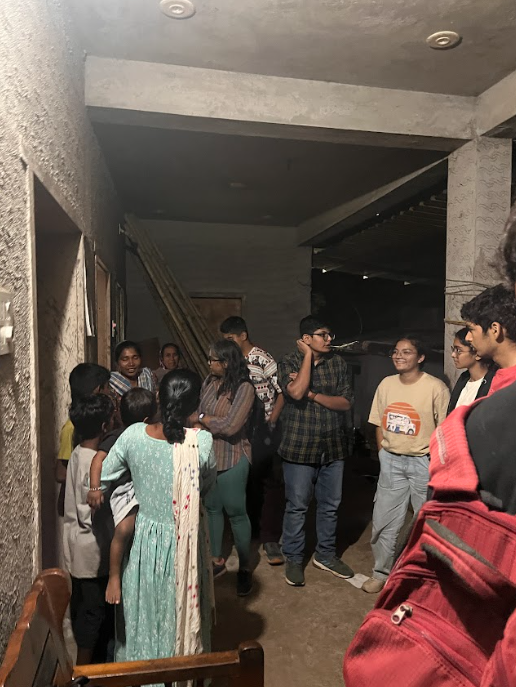
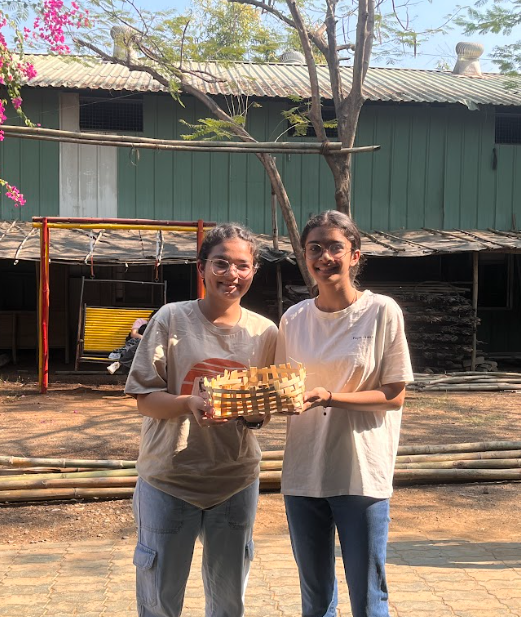
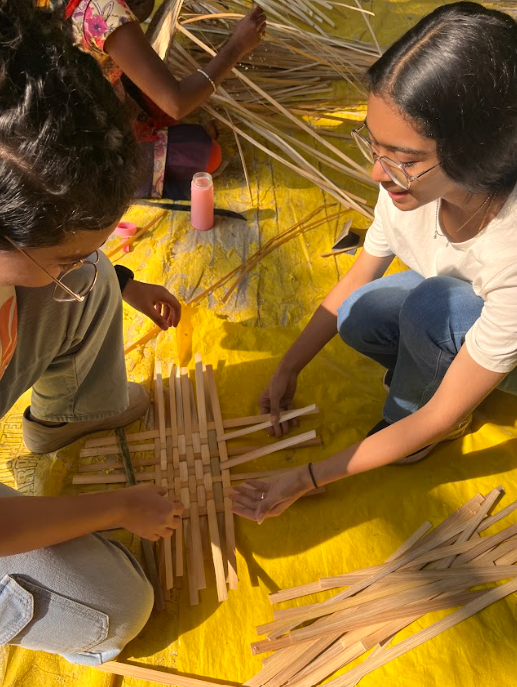
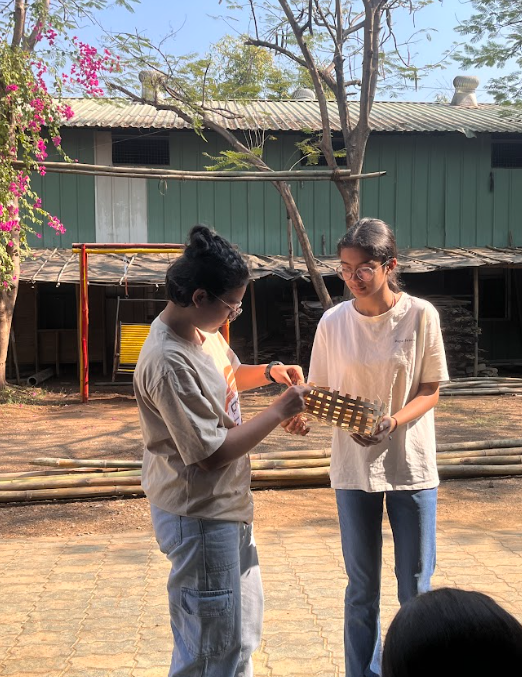
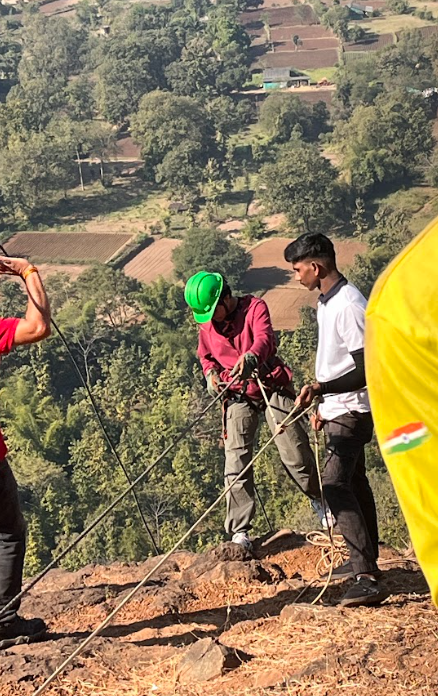
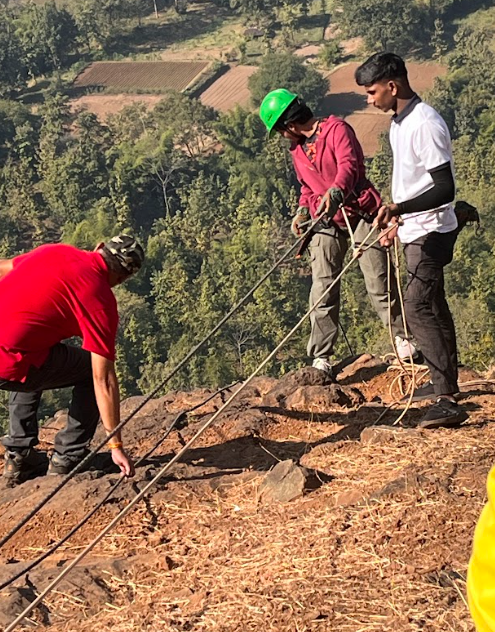
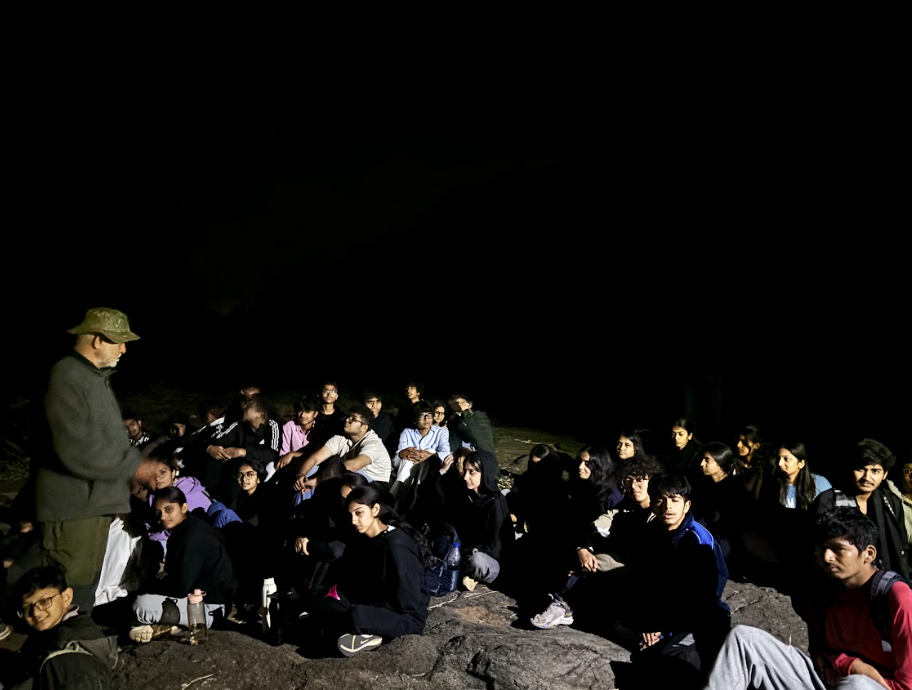
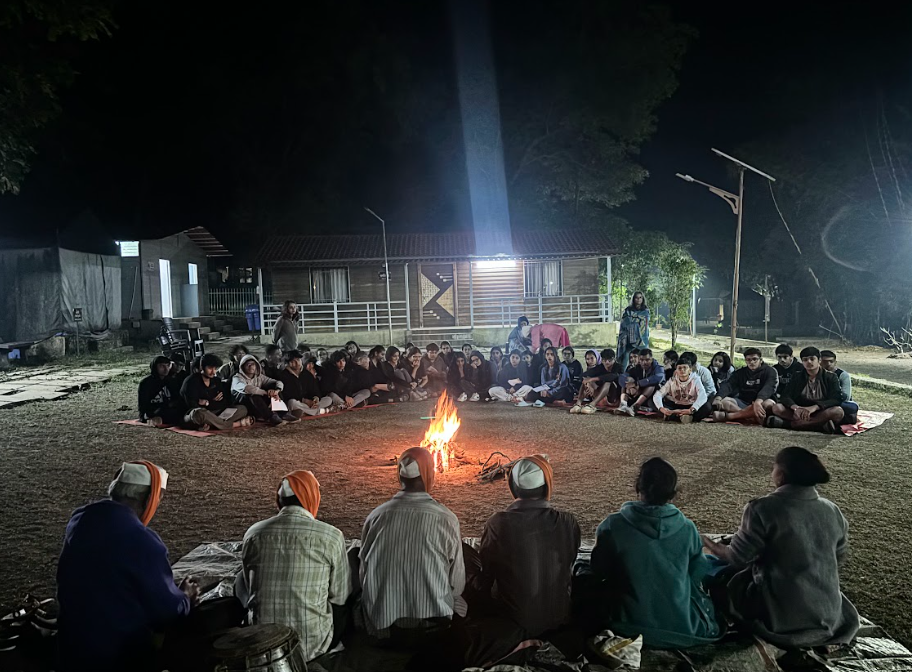
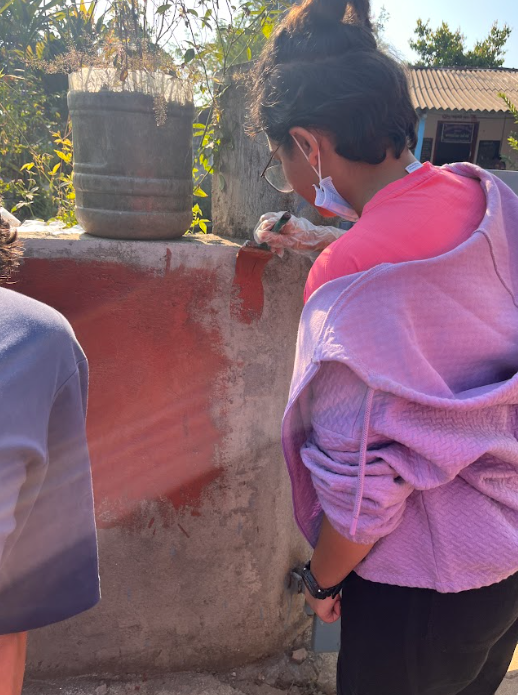
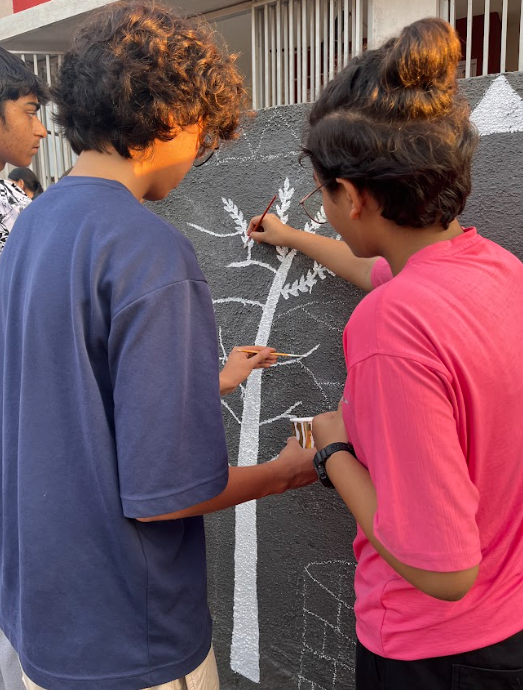
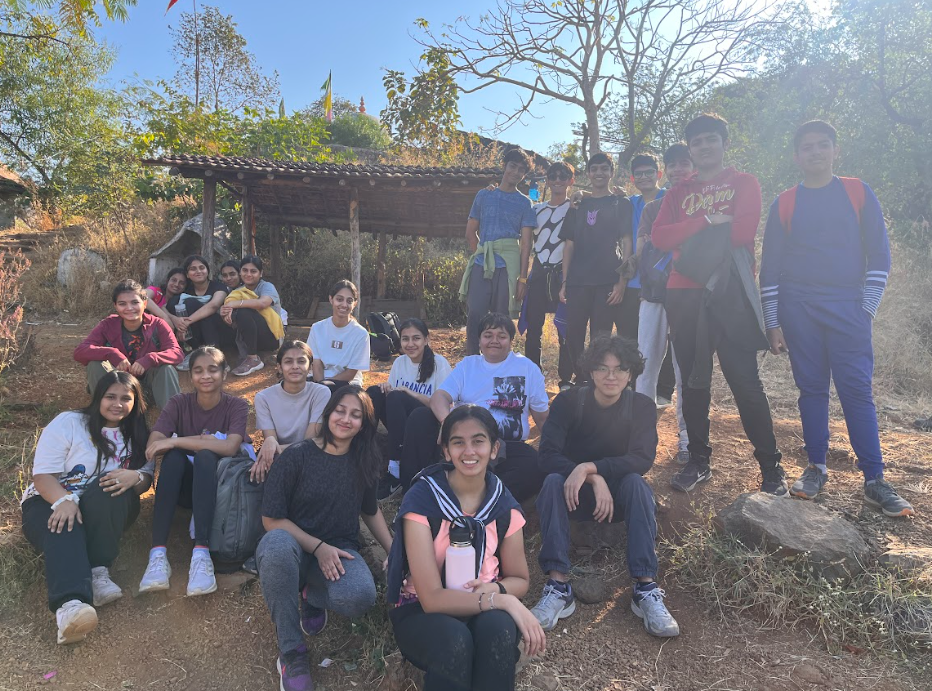
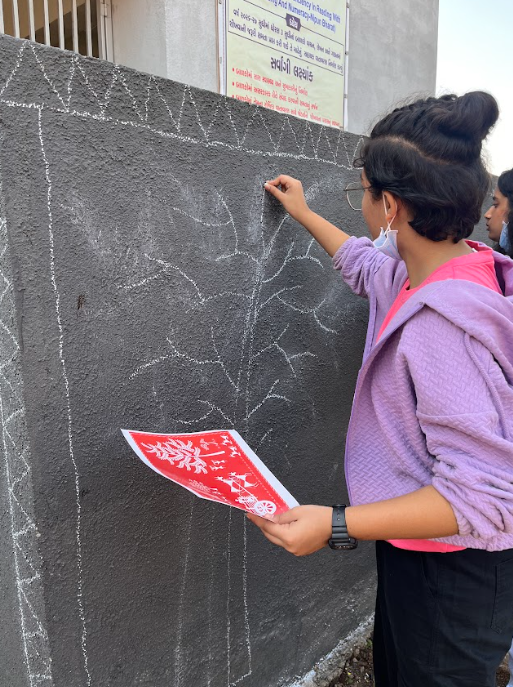
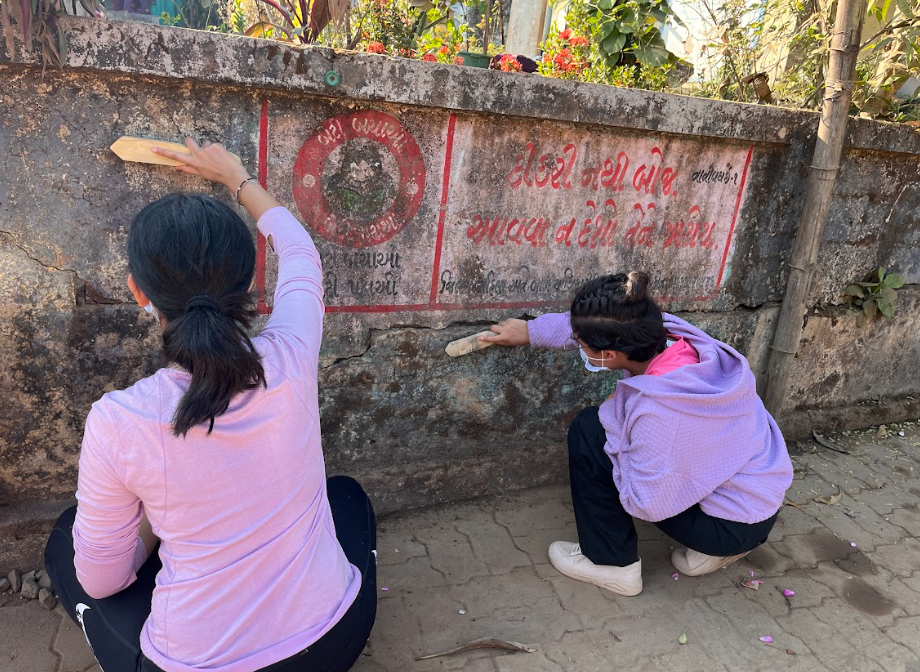
The Rural Immersion Trip to Kilad was an amazing opportunity to observe and learn the life at a village like Kilad. We got to learn about the way villagers live there, what they do, how the crops are processed, and so much more. We experienced performing all such activities ourselves too which we could have never been able to do in the cities where we live.
LO1 – Identify own strengths and develop areas for growth
During the CAS trip, I realized that one of my strengths lies in adaptability. Whether it was adjusting to new environments, managing group tasks, or handling unexpected challenges, I noticed that I was able to remain calm and positive. At the same time, I identified that I needed to improve my organizational skills, especially when packing, planning, or ensuring that I carried everything required for the activities. This trip helped me see both what I was confident in and where I needed to grow, which became a foundation for setting goals for future CAS activities.
LO2 – Demonstrate that challenges have been undertaken, developing new skills in the process
The CAS trip included several physically and mentally demanding activities, such as hiking and team challenges, which pushed me beyond my comfort zone. Initially, I felt nervous about whether I could keep up with others, but by committing to the tasks, I developed resilience and stamina. I also picked up new teamwork and survival-related skills, such as working with limited resources and supporting others in moments of difficulty. Facing these challenges directly made me more confident in my ability to deal with uncertainty.
LO3 – Demonstrate how to initiate and plan a CAS experience
While I was not the sole organizer of the trip, I actively took part in pre-trip planning, like preparing required items, setting small personal goals for the trip, and coordinating with my peers for group responsibilities. I also learned how much thought goes into logistics, time management, and safety measures when planning experiences like this. Being part of the preparation stage gave me insights into the importance of foresight and structure in CAS experiences, which helped me later in my CAS project and other activities.
LO4 – Show commitment to and perseverance in CAS experiences
Throughout the trip, there were times when I felt exhausted, especially during physically intense activities such as trekking and long walking stretches. Despite this, I stayed committed to completing the challenges alongside my peers. I pushed myself not to give up midway, and this perseverance made me realize that consistency is often more important than initial energy. Completing each activity with focus gave me a sense of achievement and taught me that perseverance is a skill that grows stronger when practiced in difficult conditions.
LO5 – Demonstrate the skills and recognize the benefits of working collaboratively
Collaboration was at the heart of the CAS trip. From setting up camps to group problem-solving activities, I realized that working together allowed us to achieve much more than we could individually. I improved my listening and communication skills by making sure every team member’s voice was heard, and I learned to balance my own ideas with those of others. The experience showed me that collaboration not only makes tasks easier but also builds trust and unity, which are invaluable in both academic and personal contexts.
LO6 – Demonstrate engagement with issues of global significance
The CAS trip gave me an opportunity to reflect on environmental sustainability and our responsibility toward nature. We were encouraged to minimize waste, respect local communities, and be mindful of our ecological impact. This made me more aware of how global issues like environmental conservation connect directly to our everyday actions. Engaging with these practices during the trip helped me internalize the importance of sustainability and consider how I can implement it in my own life.
LO7 – Recognize and consider the ethics of choices and actions
Ethical decision-making was another aspect of the CAS trip. For example, we had to ensure we respected the natural surroundings by not littering and by treating locals with kindness and respect. These actions reminded me that even small choices carry ethical weight. The trip taught me to think more carefully about the broader consequences of my behavior, whether it affects the environment, people around me, or the overall group experience. Recognizing this made me more conscious of acting responsibly in all areas of life.