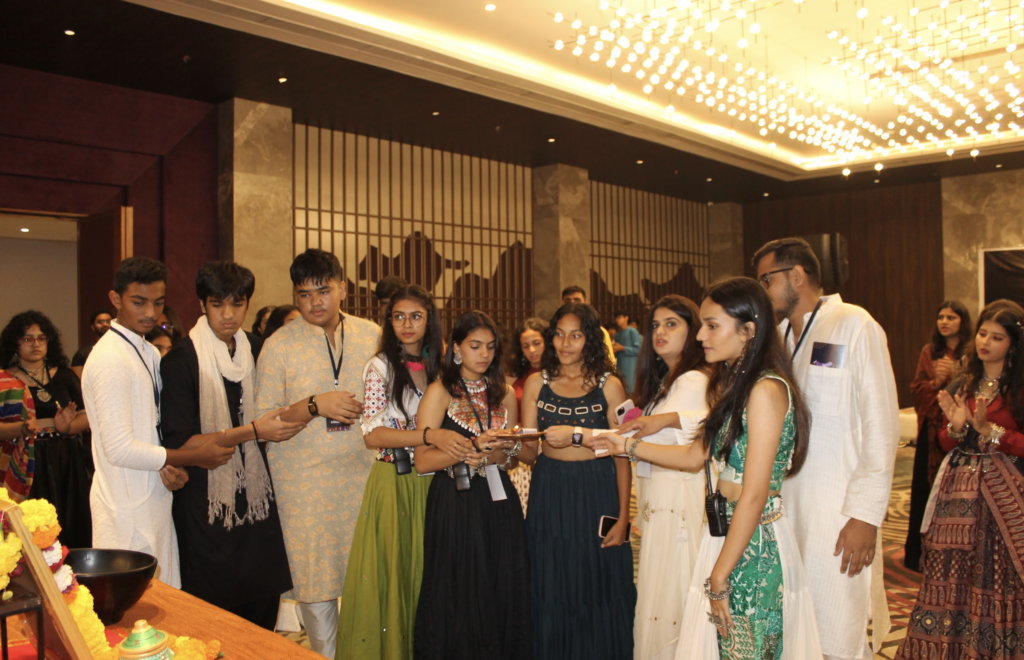
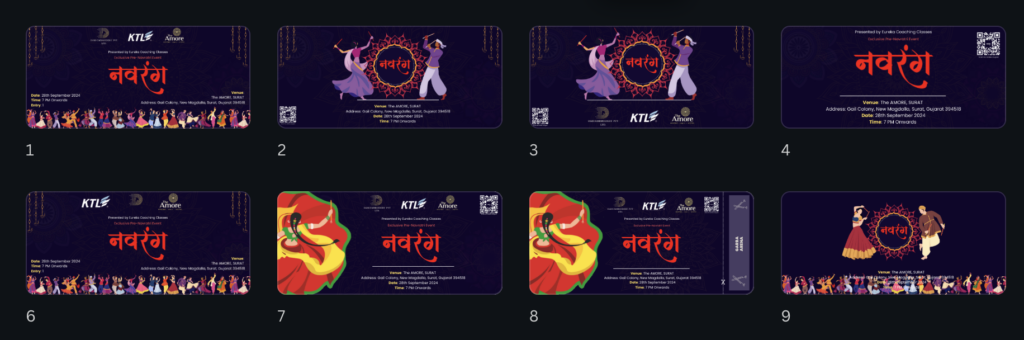
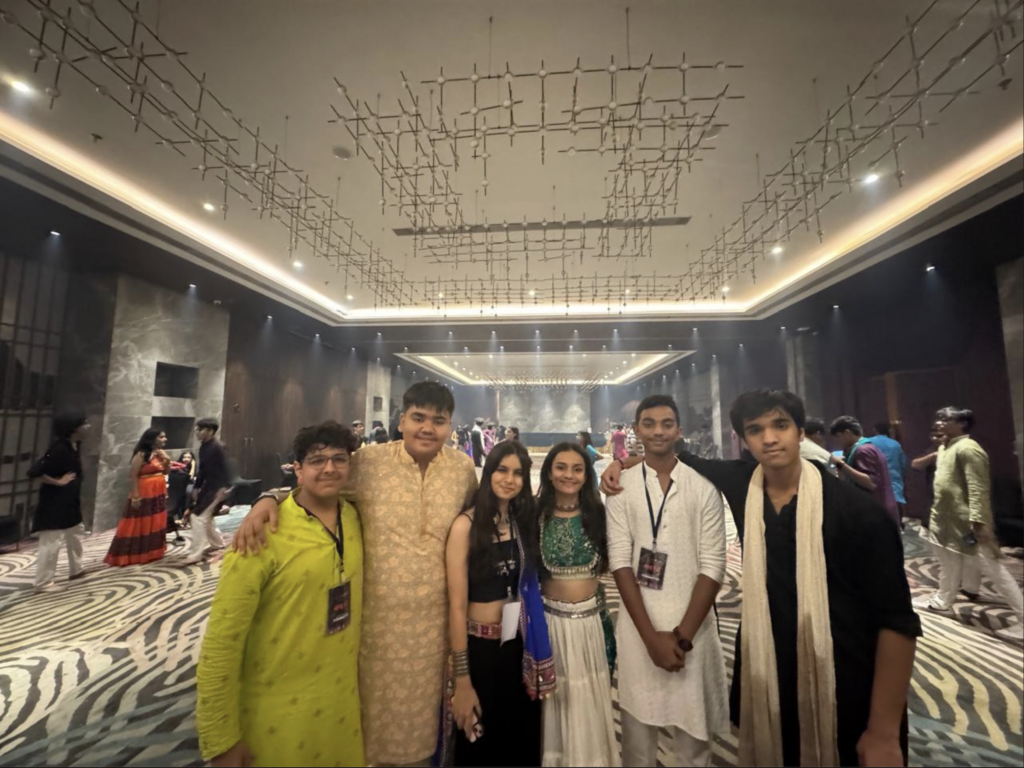
Navrang was more than just a cultural event; it was an opportunity to blend my passion for event planning with a meaningful social cause. My team and I spent three months meticulously organizing every aspect, from selecting the venue and managing logistics to marketing and securing sponsorships. The most rewarding part was that all the profits from the event were donated to Enrichmnt;, an organization dedicated to providing quality education to underprivileged students. This experience tested my leadership, teamwork, and problem-solving skills, especially in overcoming major challenges such as time management, securing sponsors, and managing the event on the day itself.
Learning Outcome 1: Identifying Strengths and Areas for Growth
Through this experience, I became more aware of my strengths in organization, planning, and leadership. I thrive in structured planning, ensuring tasks are completed on time and efficiently. However, I also realized that I needed to improve in handling high-pressure situations. On the day of the event, multiple unexpected issues arose, such as last-minute vendor delays and crowd management difficulties. Initially, I found it overwhelming, but I quickly learned to stay calm and delegate tasks effectively. This experience highlighted the need to develop adaptability and quick decision-making skills, which I now see as essential for handling large-scale projects in the future.


Learning Outcome 2: Taking on Challenges and Developing New Skills
One of the biggest challenges I faced was time management. Balancing schoolwork and event planning required discipline, especially as the workload intensified closer to the event. Coordinating vendors and promoting ticket sales while keeping up with academics was difficult, but using detailed schedules and strict deadlines helped me stay on track. This experience strengthened my ability to prioritize tasks effectively.
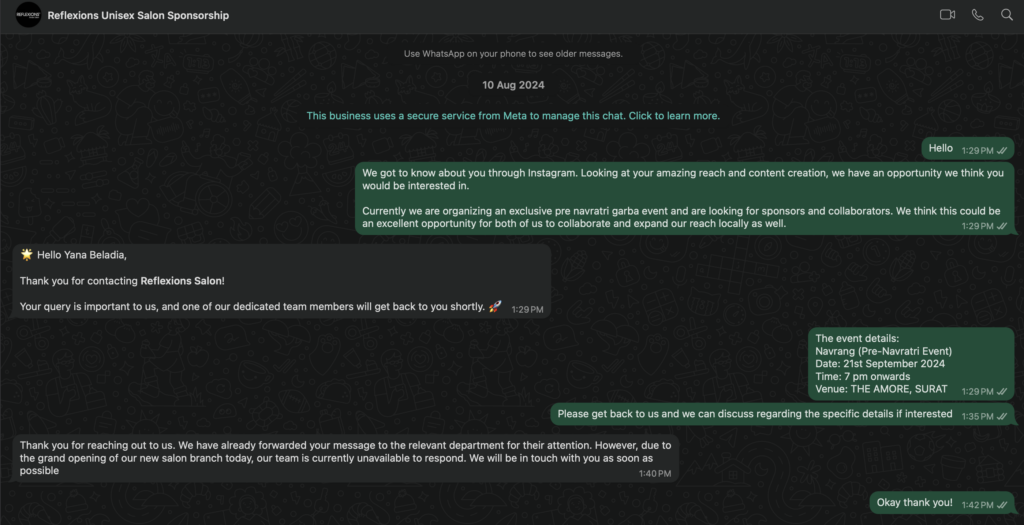
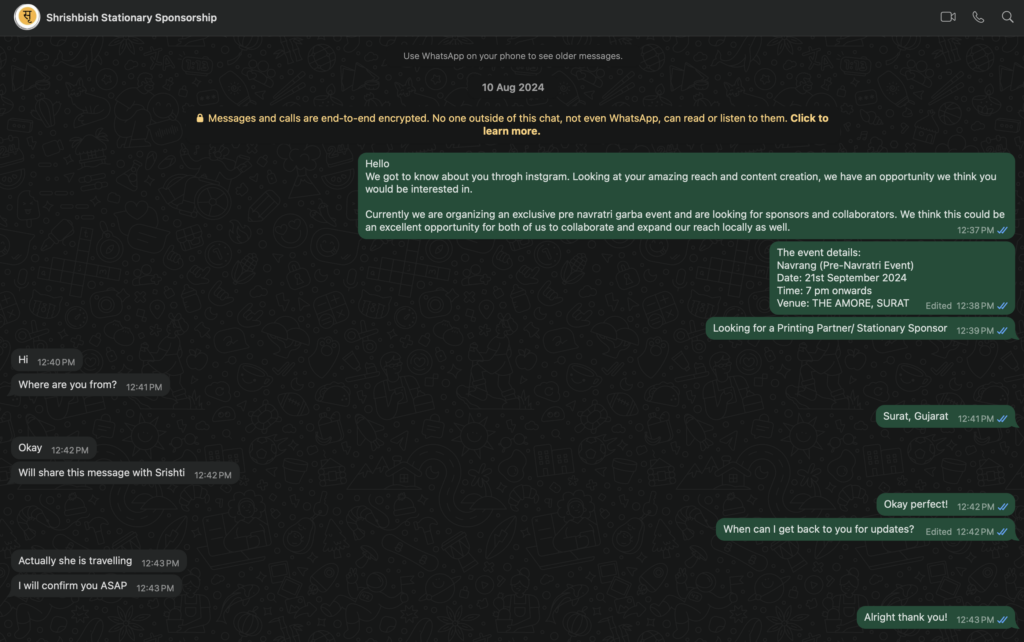
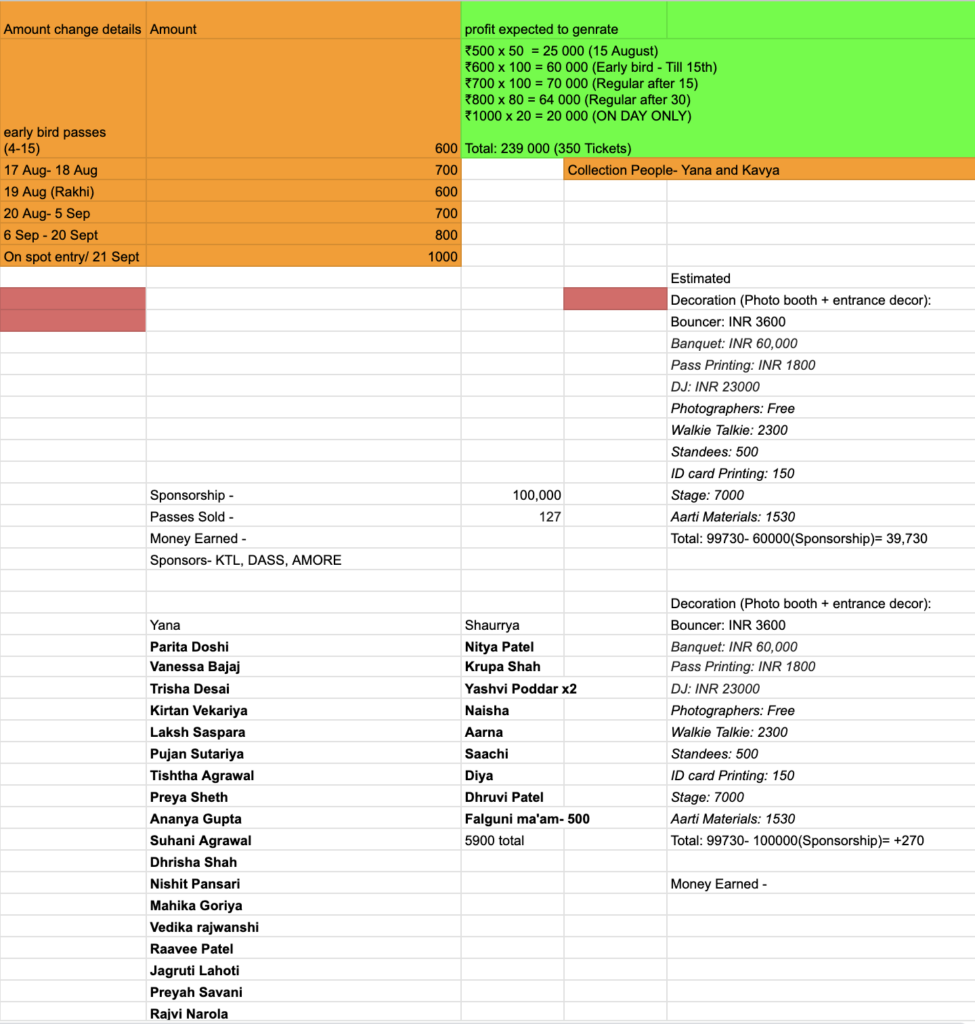
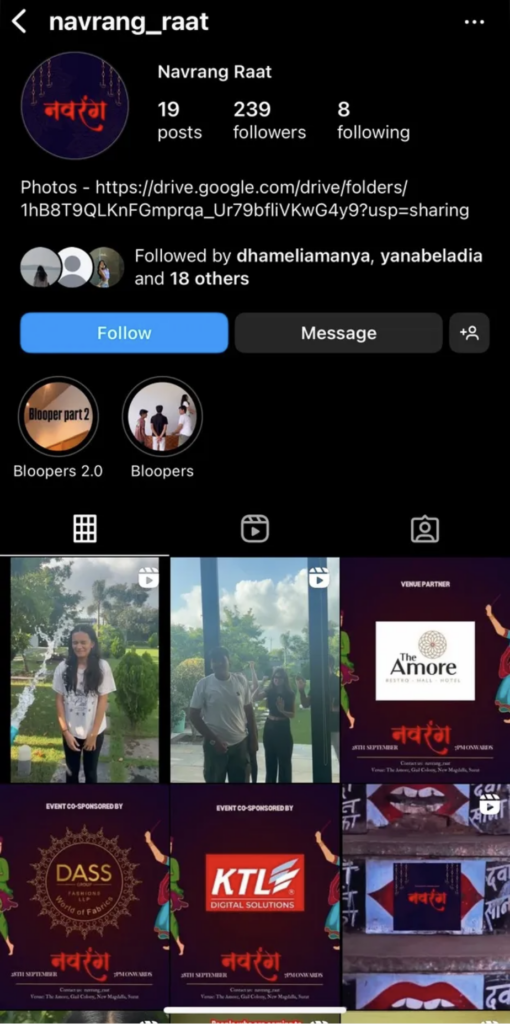
Securing sponsorships was another hurdle, as many businesses initially declined our requests. Instead of giving up, we refined our pitch and emphasized the event’s charitable impact. After persistent follow-ups, we secured financial and in-kind support, improving my negotiation and communication skills.
The biggest test came on event day, with unexpected challenges like late vendors, crowd control issues, and last-minute DJ setup changes. Managing these in real-time was stressful, but staying composed, delegating tasks, and working as a team ensured the event ran smoothly. This experience reinforced my ability to adapt under pressure—an essential skill for event management.
Learning Outcome 3: Initiative and Planning in a CAS Experience
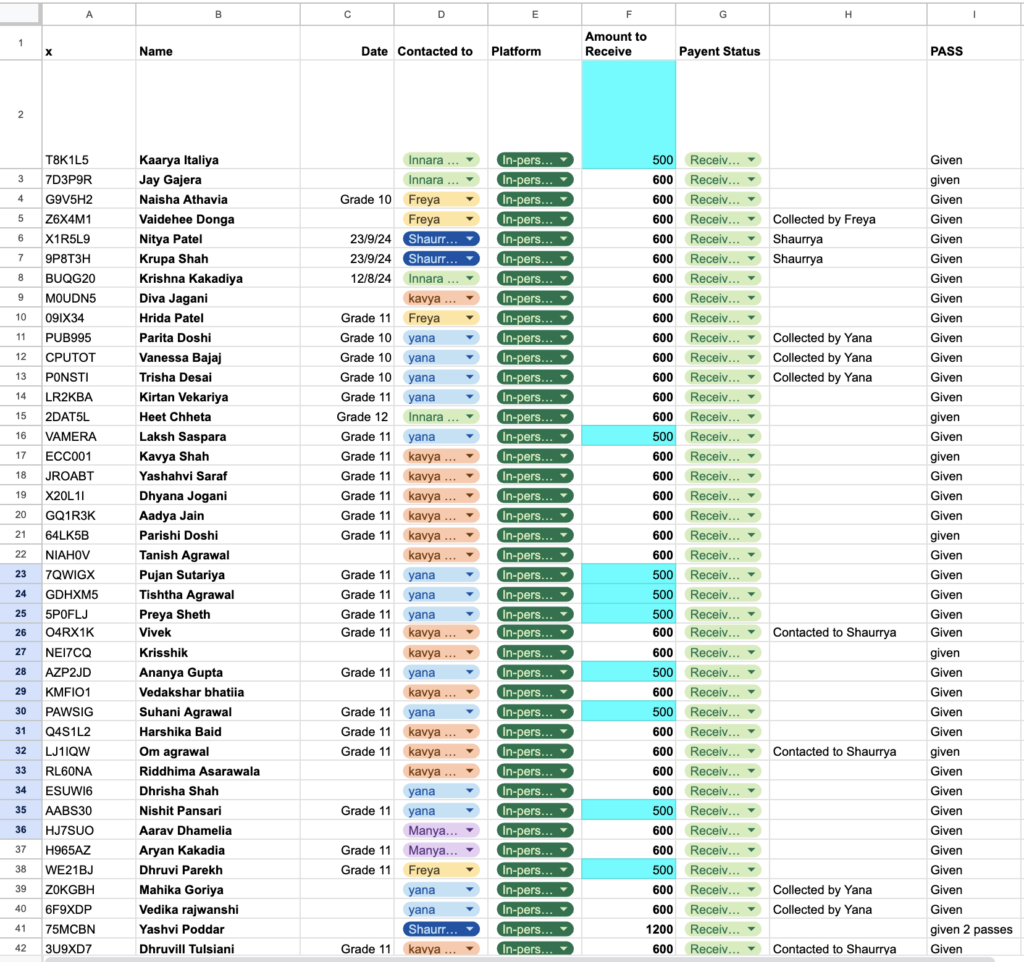
From the beginning, Navrang required extensive initiative and planning. My team and I created a structured workflow, dividing tasks such as sponsorship acquisition, marketing, logistics, and ticket sales among ourselves. One of the most challenging aspects of planning was ensuring that everything was executed within our set timeline. With exams approaching and multiple commitments pulling us in different directions, it became crucial to establish a balance.
We solved this by setting clear weekly goals and holding regular check-ins to track progress. Utilizing spreadsheets and shared documents allowed us to stay on top of deadlines, and having contingency plans in place helped us adapt when things didn’t go as expected. This experience taught me that good planning is essential for any successful project, but flexibility and problem-solving are just as important when unforeseen issues arise.
Learning Outcome 4: Perseverance and Commitment
There were moments during the planning process when things felt overwhelming. Sponsorship rejections and logistical challenges made it tempting to doubt whether we could pull everything off in time. However, I reminded myself of why we started this event in the first place—bringing people together for a cultural celebration while supporting a cause we deeply cared about.
One of the most difficult points was when a key sponsor backed out just two weeks before the event. This put a financial strain on our budget, and we had to quickly find an alternative. Instead of panicking, we reached out to smaller businesses and adjusted our expense allocations to ensure the event could still run smoothly. This situation reinforced the value of perseverance, teaching me that setbacks are a natural part of any project, but how we respond to them determines the outcome.
Learning Outcome 5: Collaboration and Teamwork
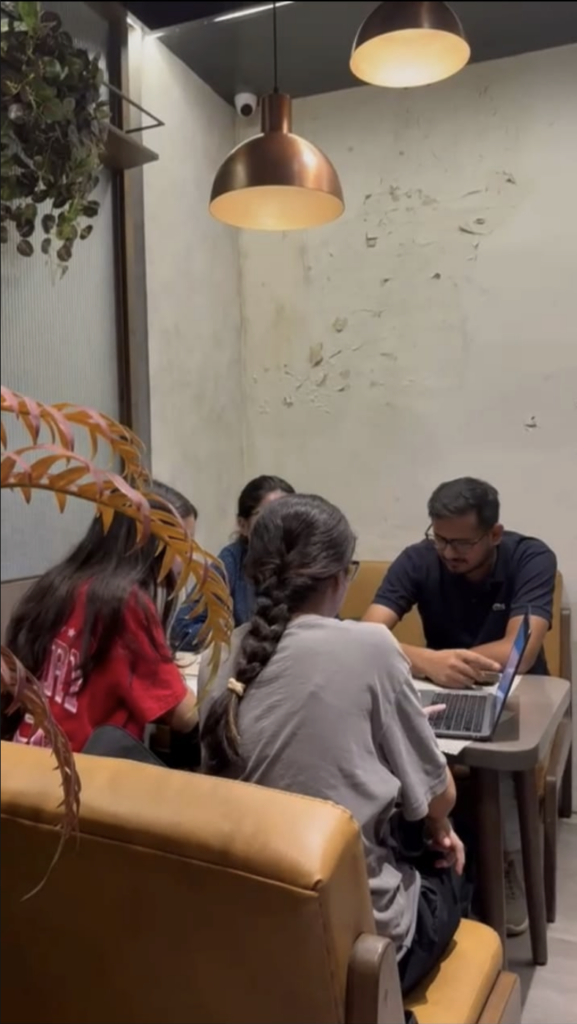
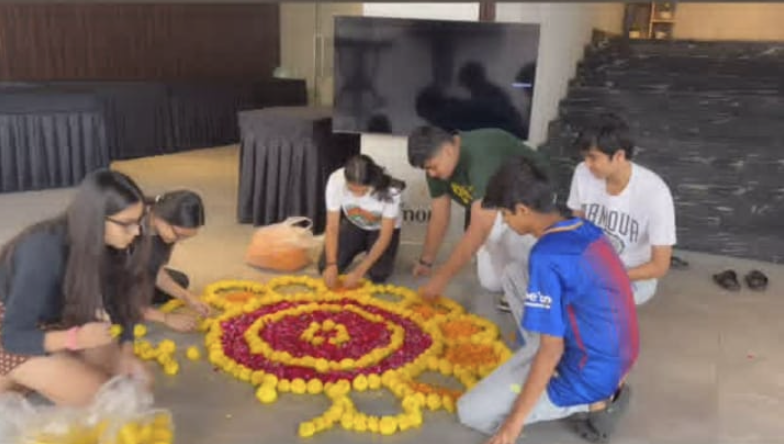
Navrang could not have been successful without effective teamwork. In the early stages, there were conflicts among team members regarding creative decisions such as décor themes and music selection. However, by fostering open communication and ensuring that every voice was heard, we managed to find a middle ground that aligned with our shared vision.
Dividing responsibilities based on individual strengths also played a key role. Some team members focused on sponsorships, while others handled logistics and marketing. This approach improved efficiency and reduced stress, as everyone knew their specific roles. Working collaboratively also taught me the importance of trust—learning to delegate tasks and rely on others rather than trying to handle everything alone. This experience showed me that strong teamwork is the foundation of any successful large-scale project.
Learning Outcome 6: Engagement with Global Issues
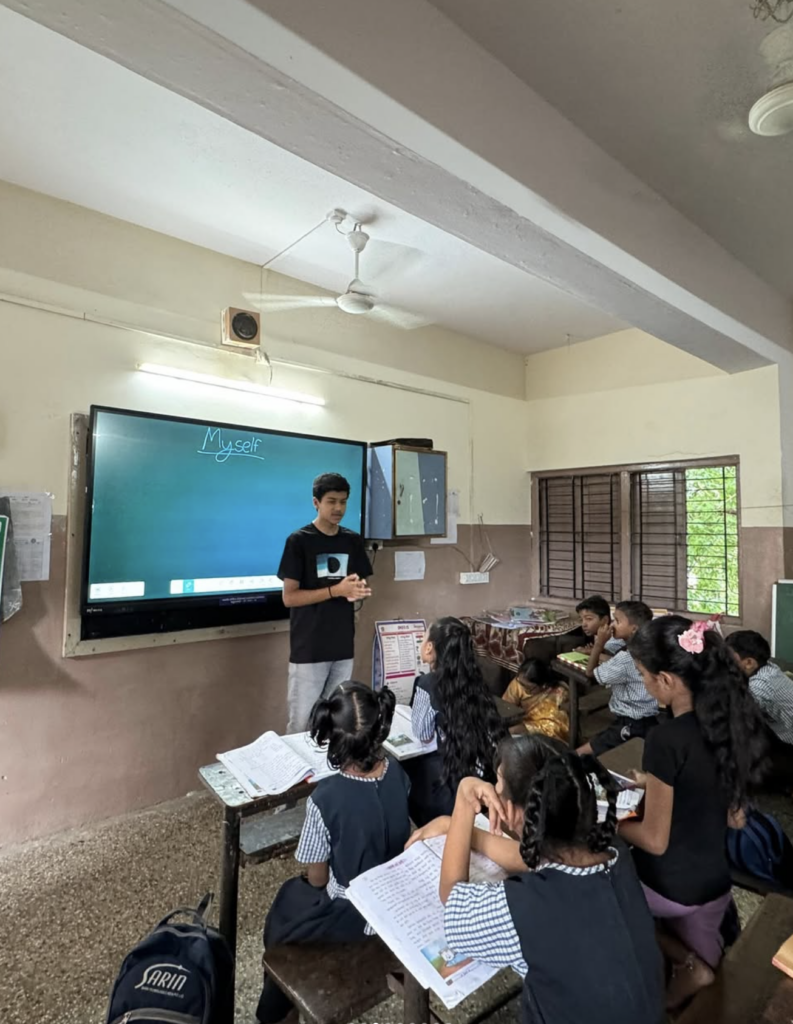
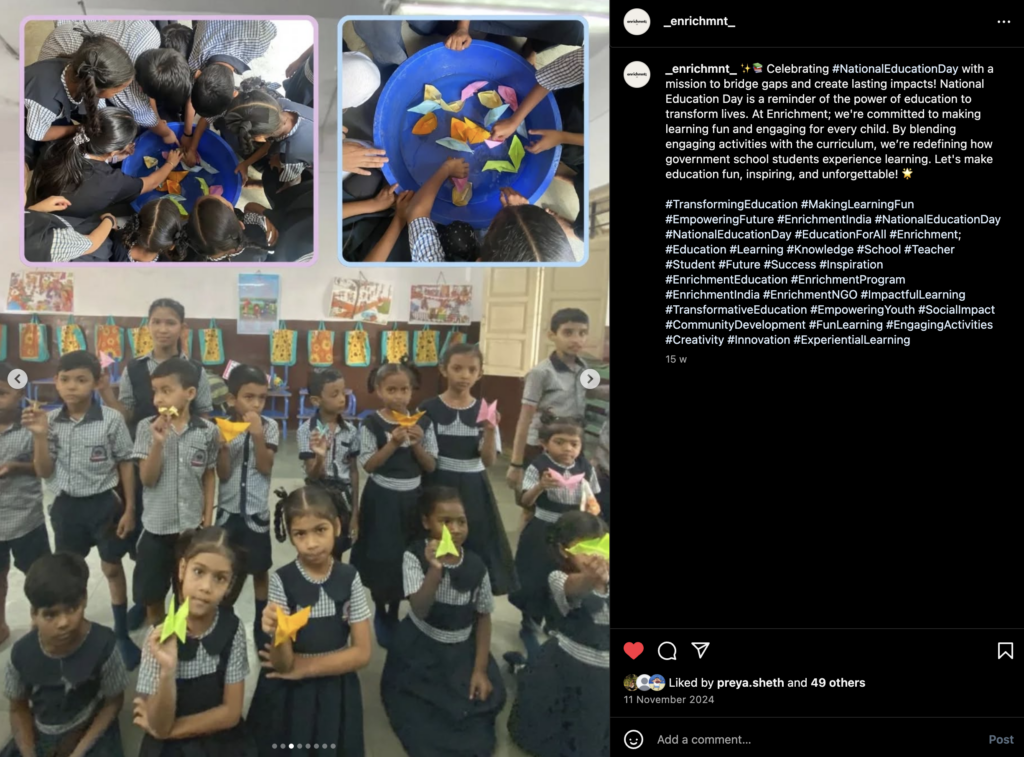
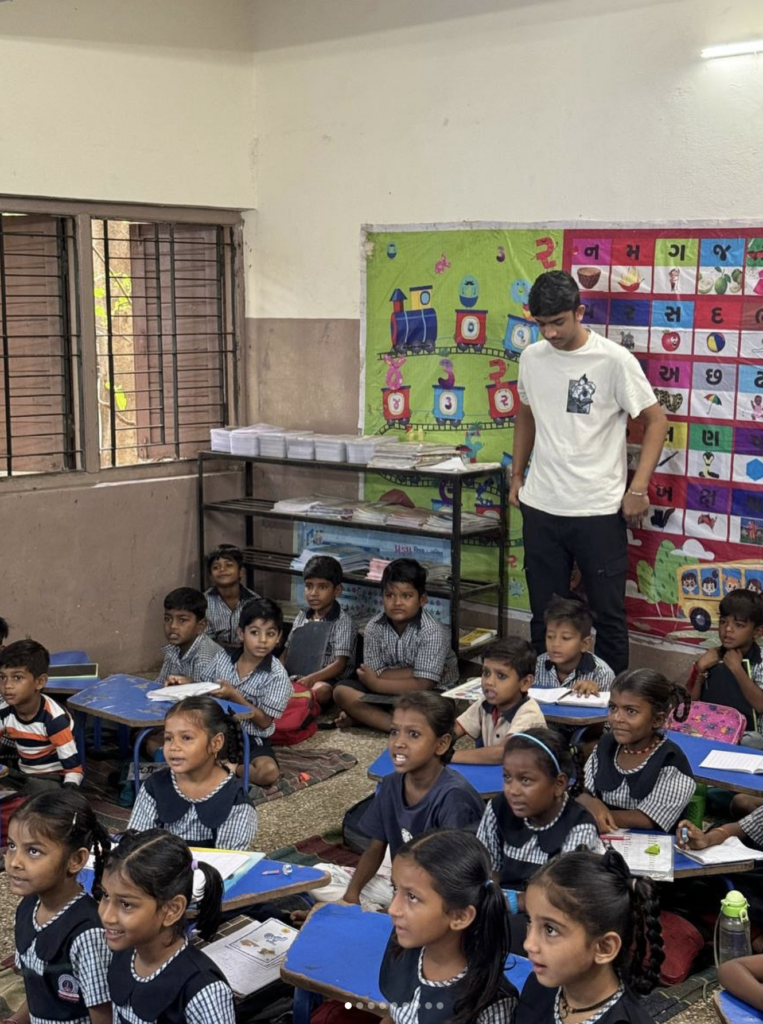
Navrang wasn’t just about entertainment; it had a larger purpose—raising funds for Enrichmnt; to support underprivileged students. Education inequality is a significant global issue, and through this event, we took a small step toward addressing it. The ?80,000 we raised contributed to providing better learning resources for students in need.
This experience helped me understand that even small, community-driven initiatives can contribute to solving larger global challenges. It also inspired me to continue integrating social responsibility into my future projects, reinforcing my belief that businesses and events can be platforms for positive change.
Learning Outcome 7: Ethics of Choices and Actions
Organizing Navrang required making ethical decisions at every step. We had to ensure ticket prices were fair while still generating enough revenue to cover costs and make a substantial donation. We also carefully selected sponsors, ensuring that their values aligned with our mission and that our event remained authentic.
On the day of the event, ethical decision-making also played a role in how we managed security and logistics. For example, ensuring that the bouncers treated guests respectfully and that everyone had equal access to food and event activities was crucial. This experience reinforced the importance of integrity in event planning and leadership, teaching me that success is not just about financial gains but also about maintaining ethical responsibility toward the community.
Final Reflection
Organizing Navrang was one of the most challenging yet rewarding experiences I have undertaken. From handling sponsorship negotiations and time management struggles to navigating the chaos of event day, this journey tested my resilience and leadership abilities in ways I had never experienced before.
Beyond the logistical and managerial challenges, the most fulfilling part was knowing that our efforts contributed to a meaningful cause. Seeing the joy on people’s faces during the event and knowing that our work helped fund education for underprivileged students made all the hard work worthwhile.
This experience reaffirmed my passion for event management and my desire to continue creating projects that merge creativity with social impact. Moving forward, I aim to take on more initiatives that not only challenge me but also contribute positively to the community.