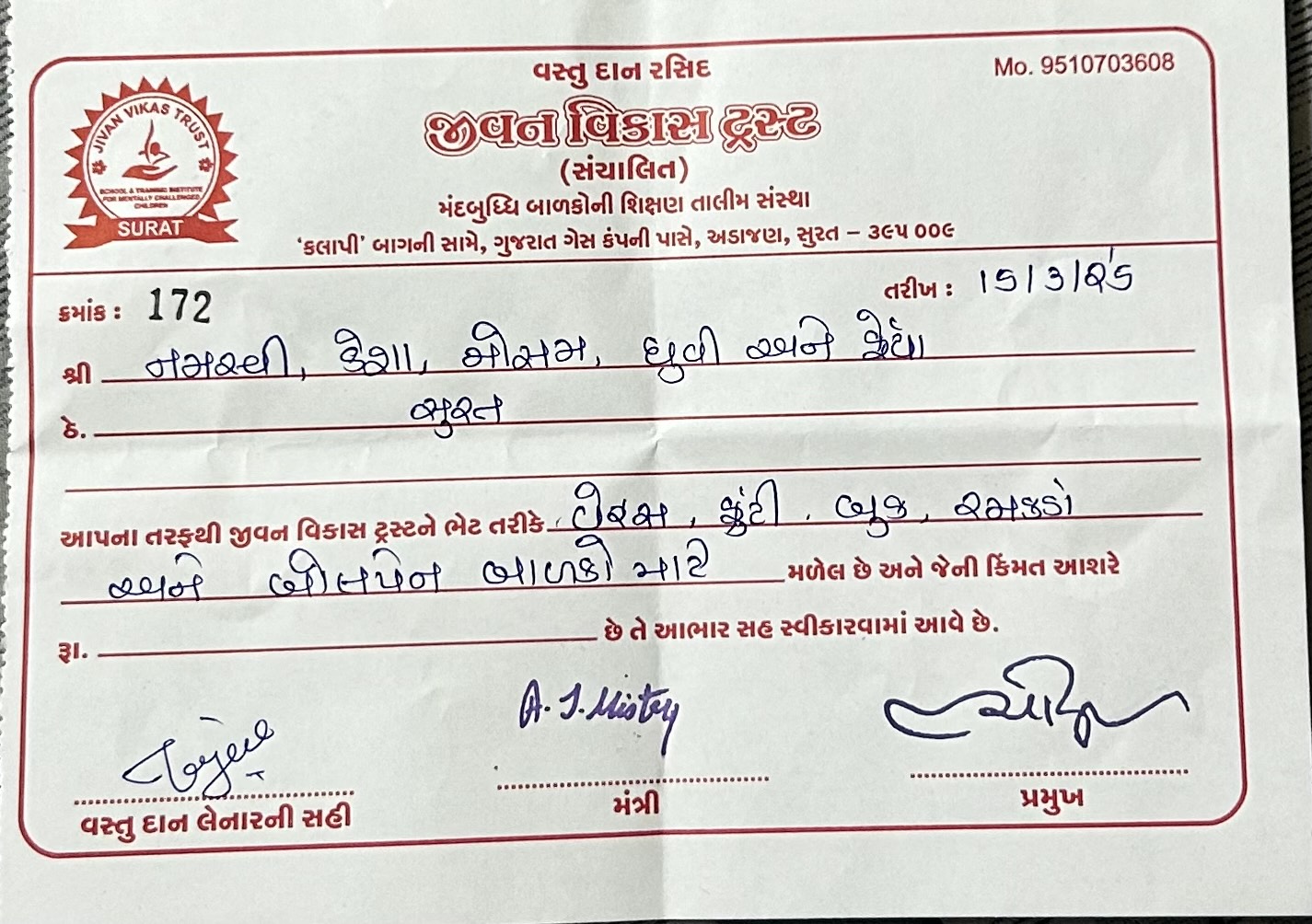
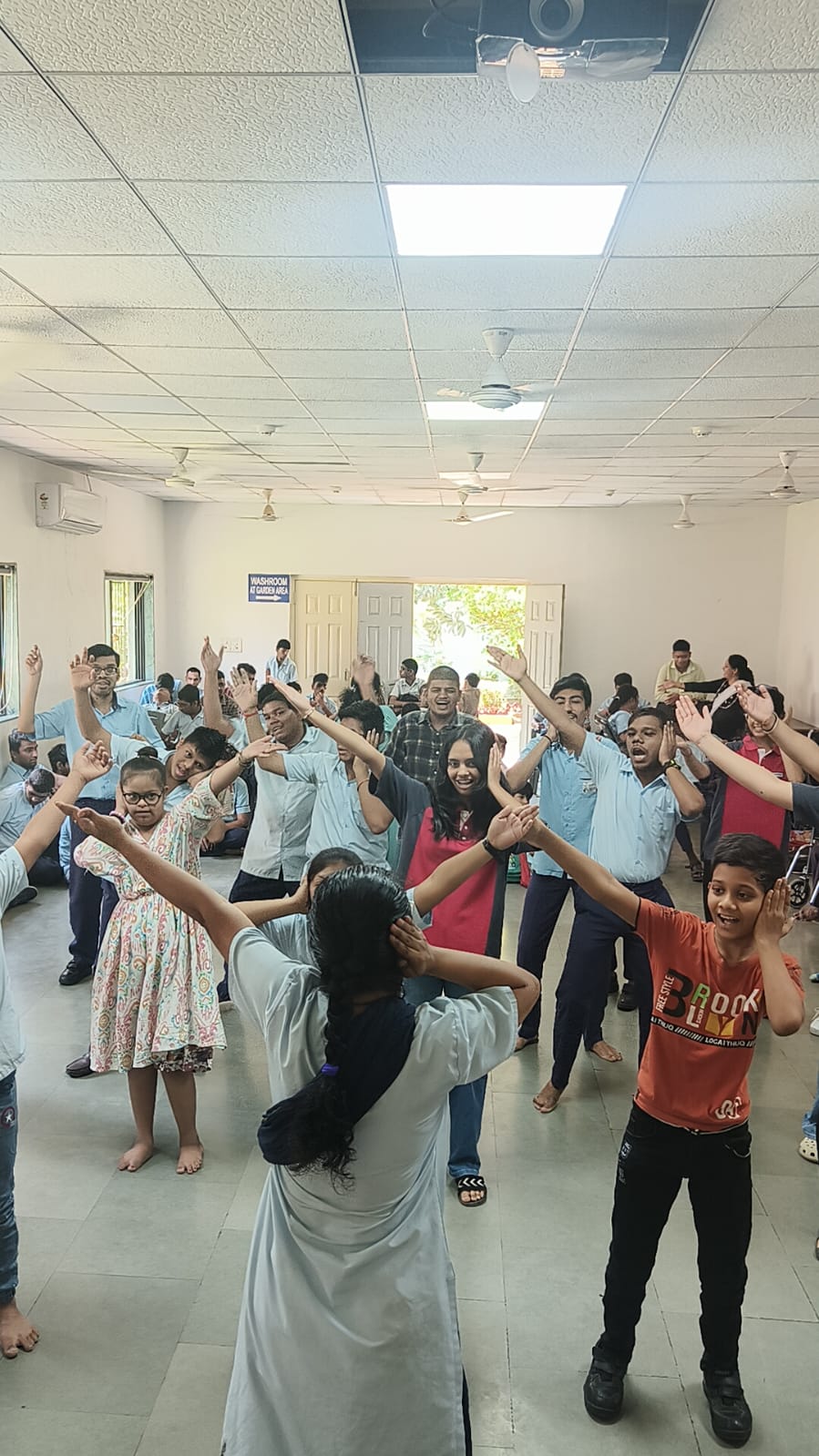
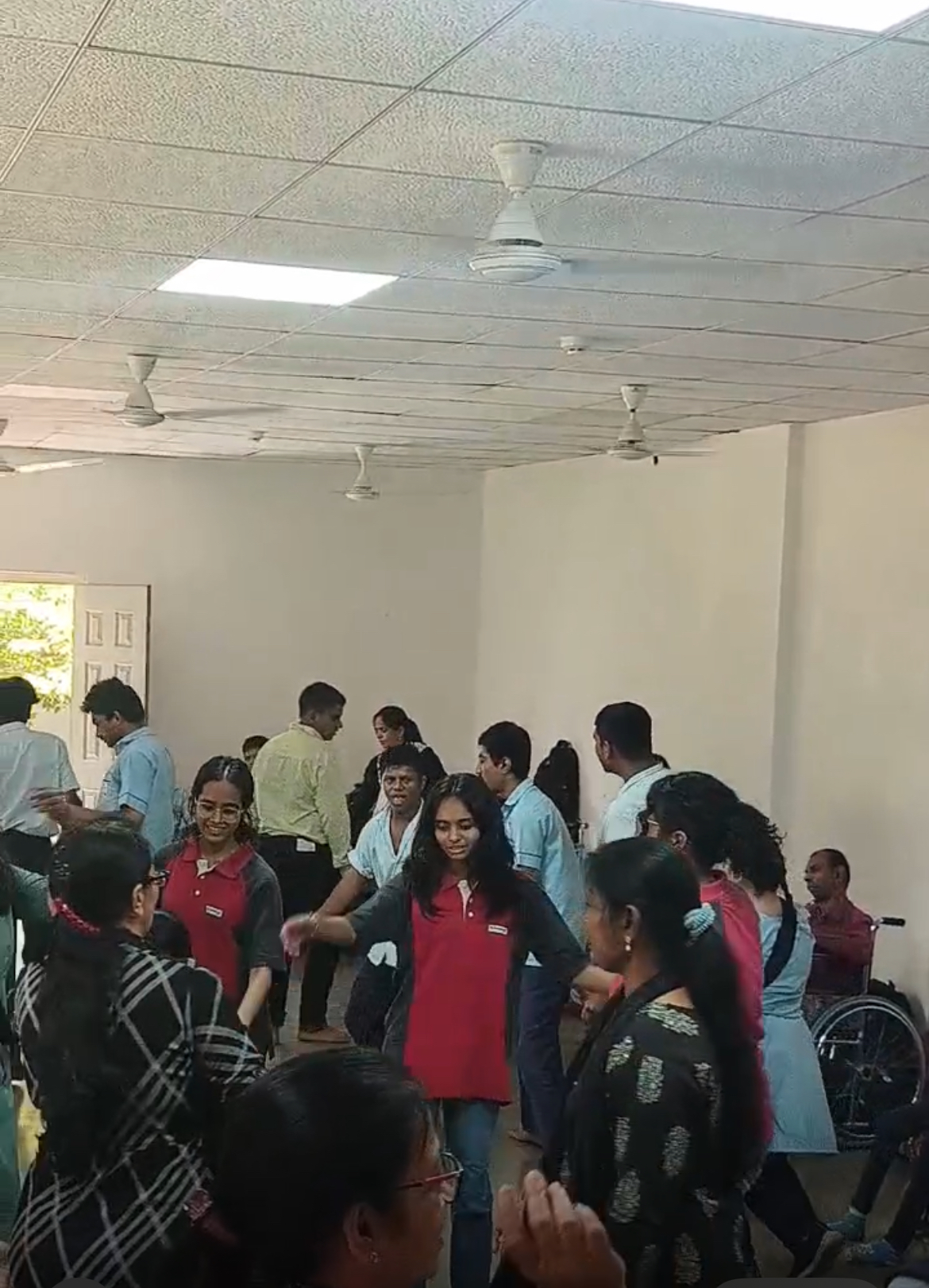
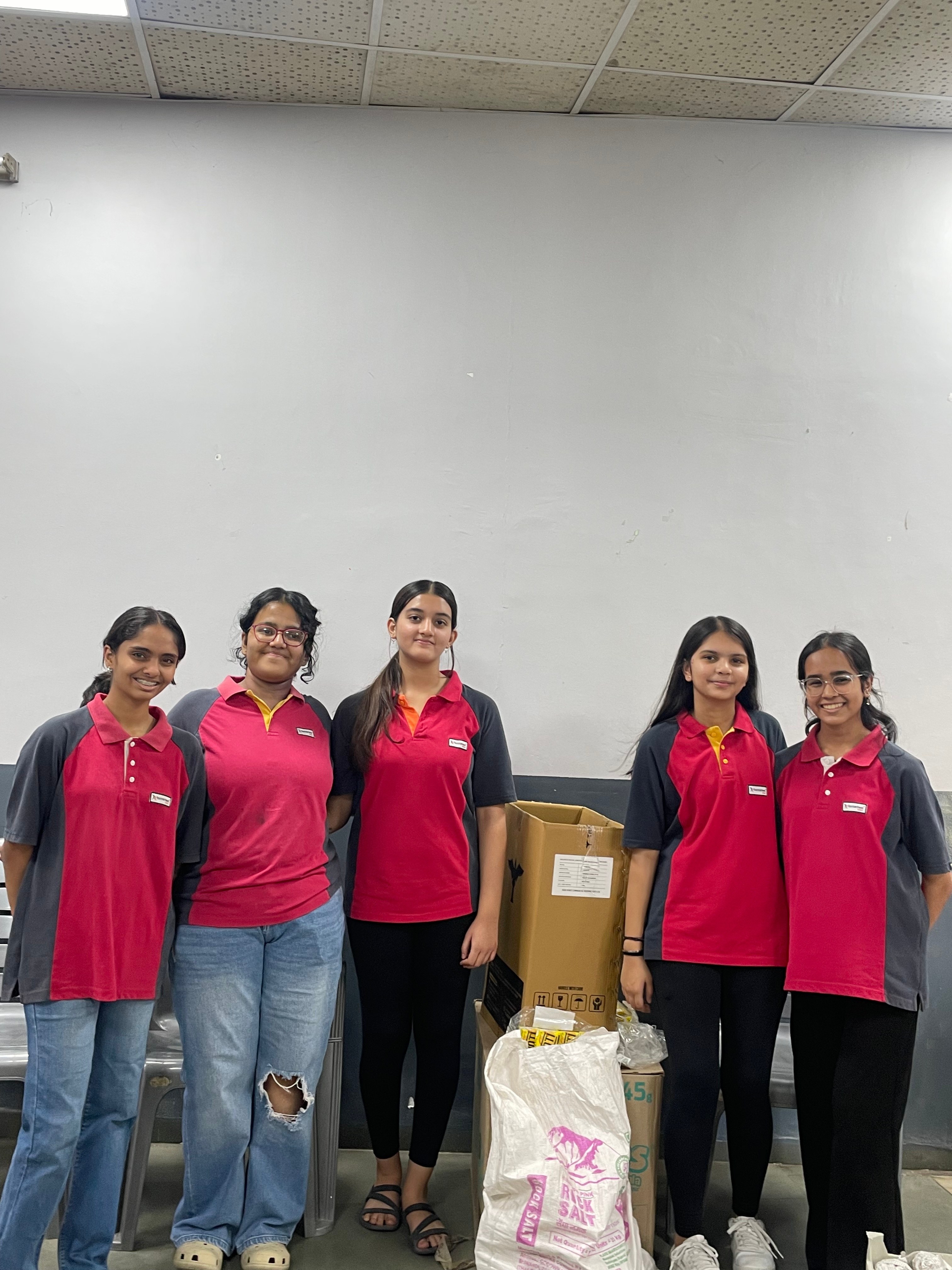
On 1 March, we embarked on a self-organized donation drive aimed at giving back to those in need. Our primary goal was to visit two ashrams (Jivan Vikas Trust and Ladki Balika Ashram) and play games with girls and dance with mentally disabled students. Also we would provide clothes and books to construction workers. In addition, we planned to raise funds through a Pi Day event and food stall, which would then be invested in books, food packets, and drinks for underprivileged people. This initiative allowed us to not only serve our community but also reflect on the values of commitment, ethics, and collaboration while working together toward a common goal. In this drive we had also communicated with the girls and the mentally disabled children about the resources they get and their happiness over there, how it feels like and more. Surprisingly they all were happy with everything they had and they all were enthusiastic.
LO 3: Demonstrating How to Initiate and Plan a CAS Experience
The first step in this CAS experience was initiating and planning the entire donation drive. From the very beginning, we were involved in every aspect of the project, from brainstorming ideas to organizing events. We decided to visit two ashrams and identified the specific needs of the communities there and clothes and books for construction workers, and recreational activities for the children. Additionally, we set up fundraising initiatives such as a Pi Day event and a food stall to generate the necessary funds. The planning process involved careful consideration of logistics, including scheduling visits, sourcing donations. This experience helped us develop our project management skills and learn the importance of thorough planning to ensure the success of an initiative.


LO 5: Demonstrating the Skills and Recognizing the Benefits of Working Collaboratively
One of the key elements of this experience was working collaboratively with others. The project required teamwork at every stage, from planning and fundraising to execution. Each of us had a role to play, whether it was managing the food stall, or coordinating with the ashrams. We also reached out to our school students and teachers for donations and support. Throughout the process, we recognized the importance of communication, trust, and flexibility within a team. Working together allowed us to share ideas, overcome challenges, and accomplish tasks that would have been difficult to achieve individually. The success of the donation drive was a testament to the power of collaboration and how we were able to leverage each other’s strengths to make a greater impact.
Jivan Jikas Trust
LO 7: Recognizing and Considering the Ethics of Choices and Actions
As we worked on this donation drive, we were constantly reminded of the importance of considering the ethical implications of our choices and actions. We were mindful of how our donations were distributed, ensuring that the items we collected from school would truly benefit the communities we aimed to support. Additionally, we carefully considered how we approached our interactions with the residents of the ashrams, ensuring that our activities—like playing games with the children and engaging with mentally disabled students—were respectful and inclusive. We also recognized the ethical responsibility of being transparent about the funds we raised, ensuring that every donation and purchase was accounted for and used appropriately. By keeping these ethical considerations at the forefront of our planning and actions, we were able to carry out the project in a responsible and respectful manner.