Rural Immersion Trip to Ambapani Reflection
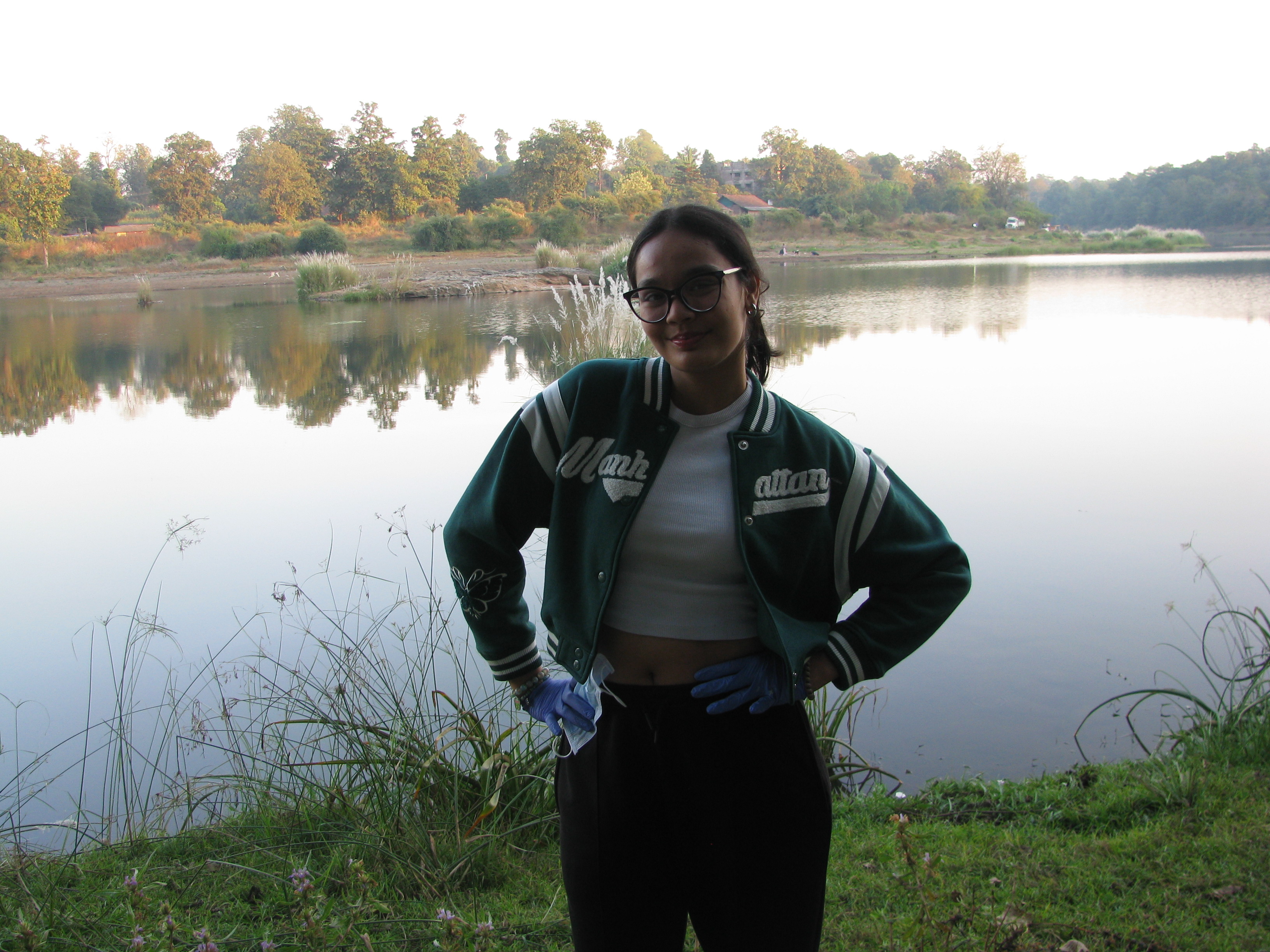
From 16th December to 21st December, I had the opportunity to go on a rural immersion trip to Ambapani with my friends and teachers. This trip was an incredible mix of learning, adventure, and fun, where we got to engage with the local culture and lifestyle through various hands-on activities. Staying in a rural environment, away from the usual city life, gave me a fresh perspective on simplicity and community living.
Part 1: Activities and Learning
Our days were packed with a variety of engaging and meaningful activities:
- Short trek – We explored the nearby hills, which tested our stamina and helped us appreciate the beauty of nature.
- River bath – Bathing in the river was refreshing and gave us a glimpse of how the locals live closely with nature.
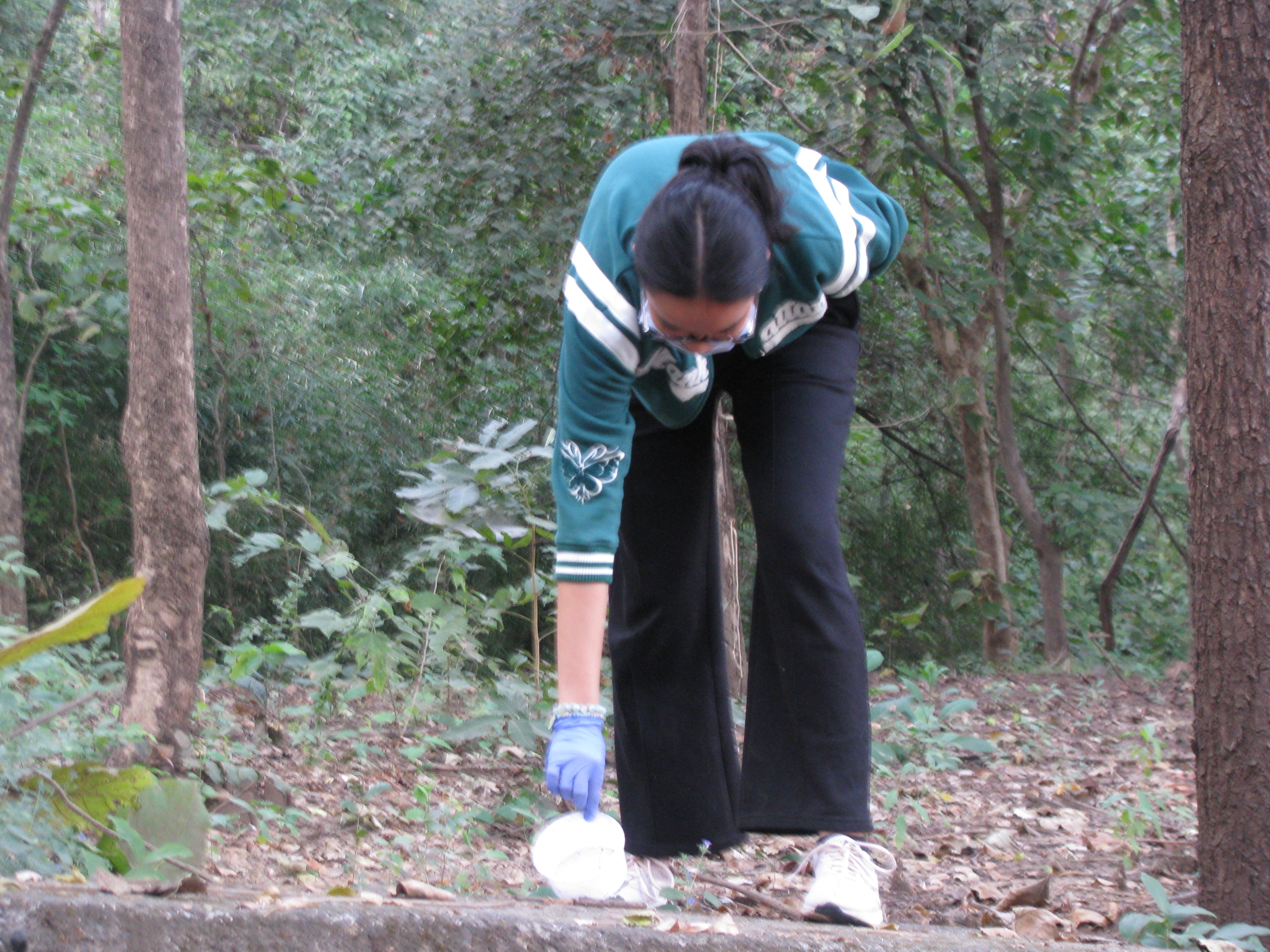
- Plastic collection – We helped clean the area around the campsite, making a small but meaningful contribution to the environment.
- Farming tasks – We watered, cleaned, plucked, and sowed crops in the fields, which gave us a deeper appreciation for the hard work of farmers.
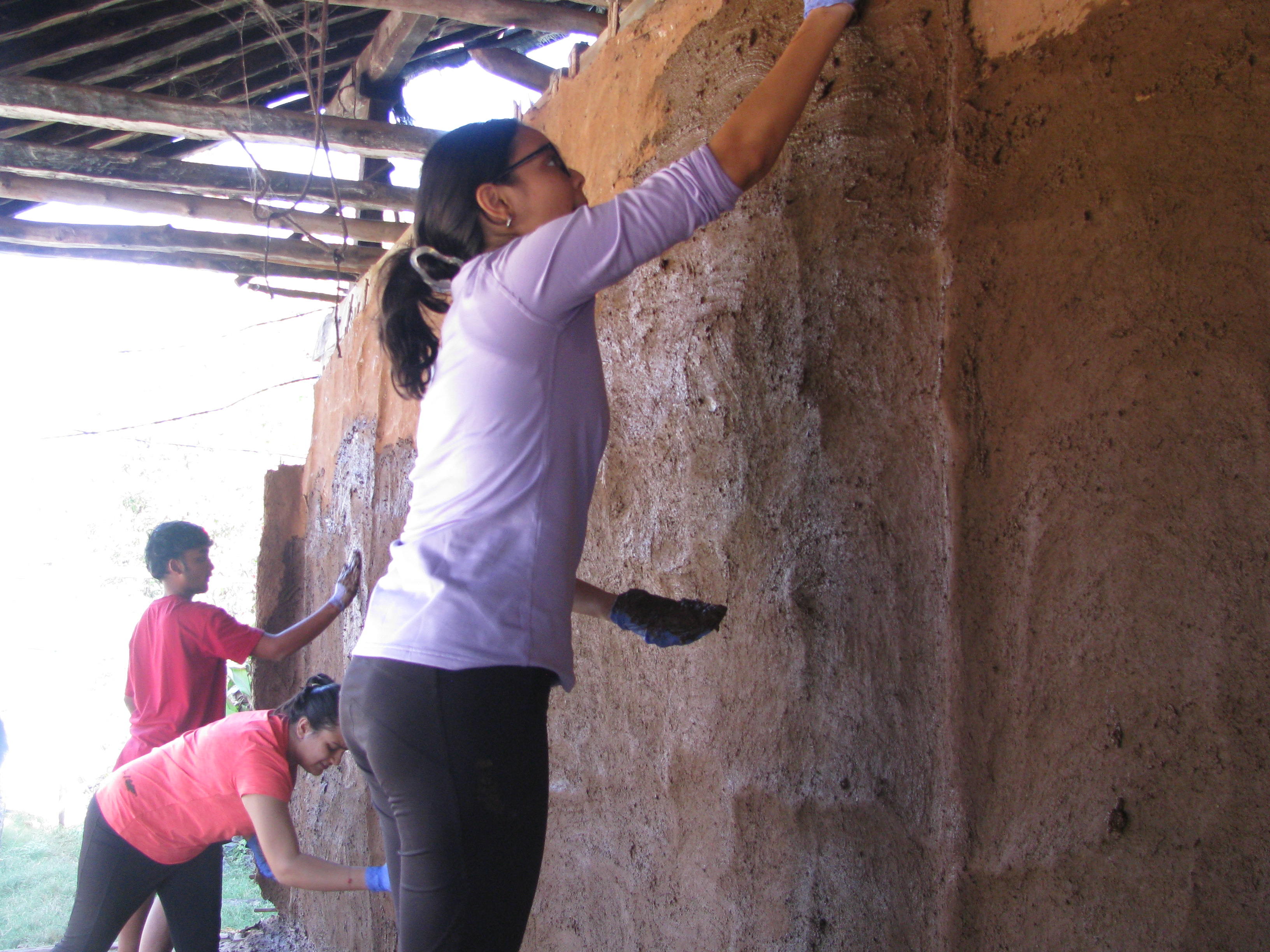
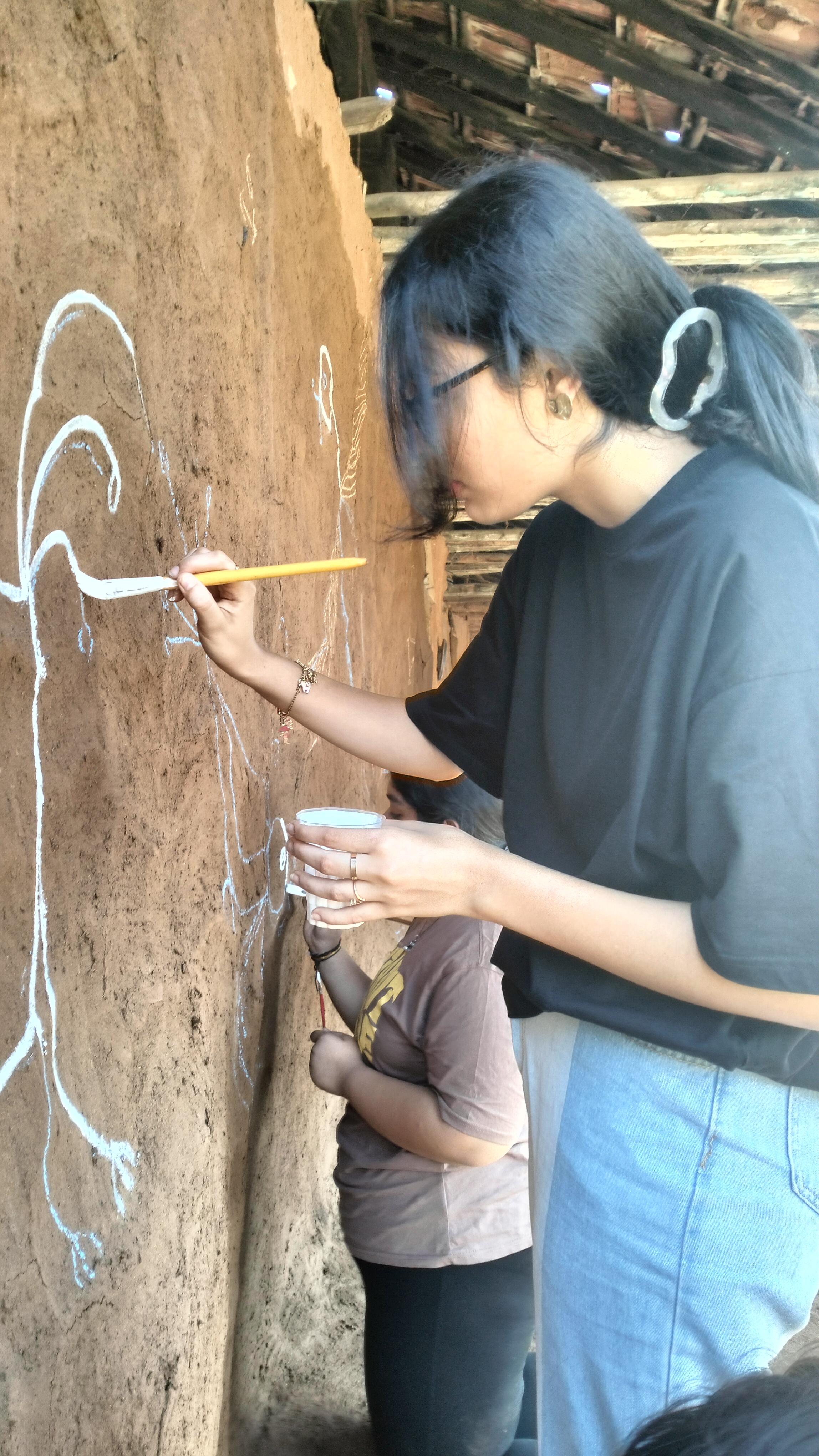
- Mud Lipan Activity – We decorated walls using traditional mud and mirror art, learning about rural aesthetics and craftsmanship.
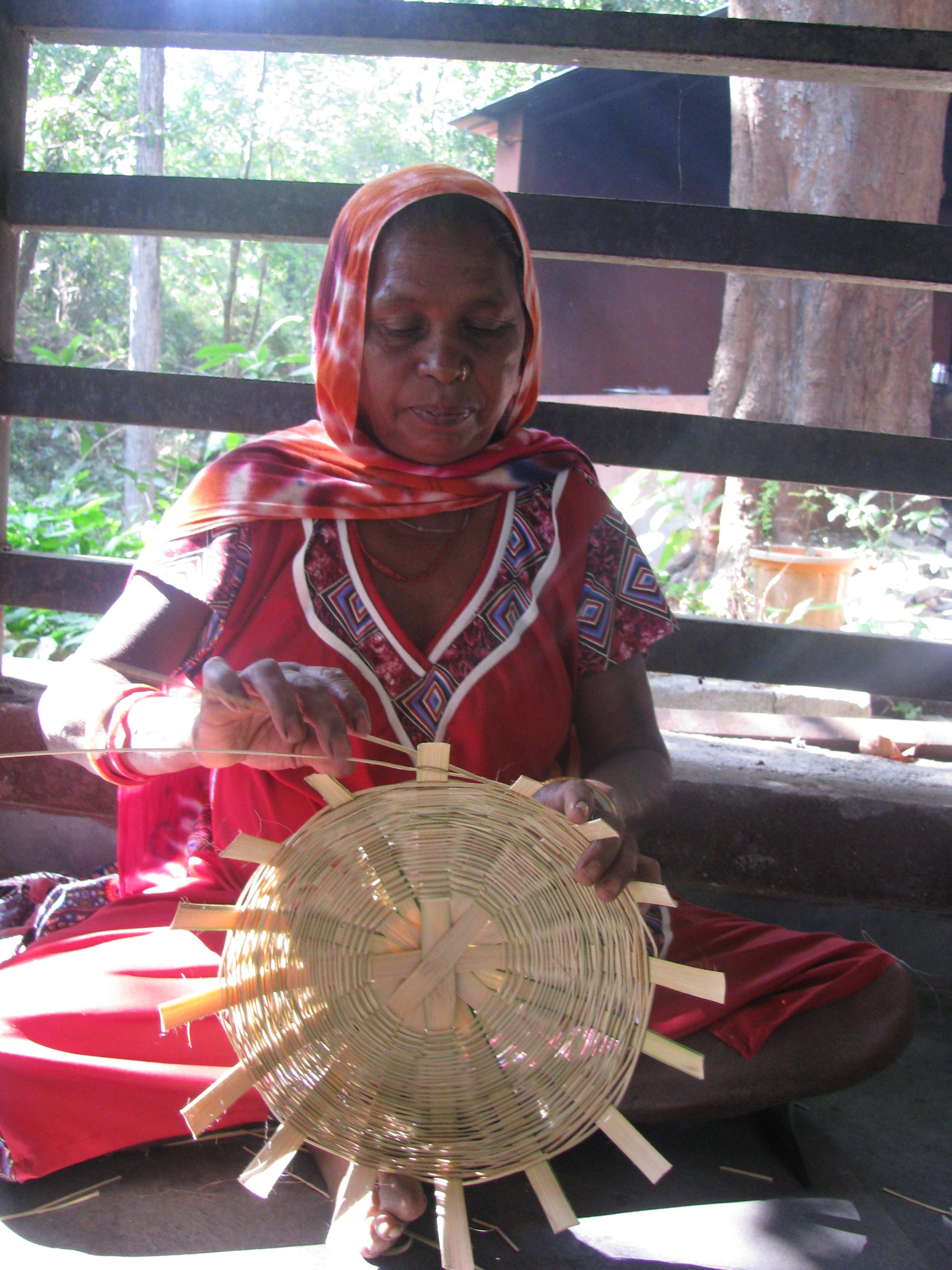
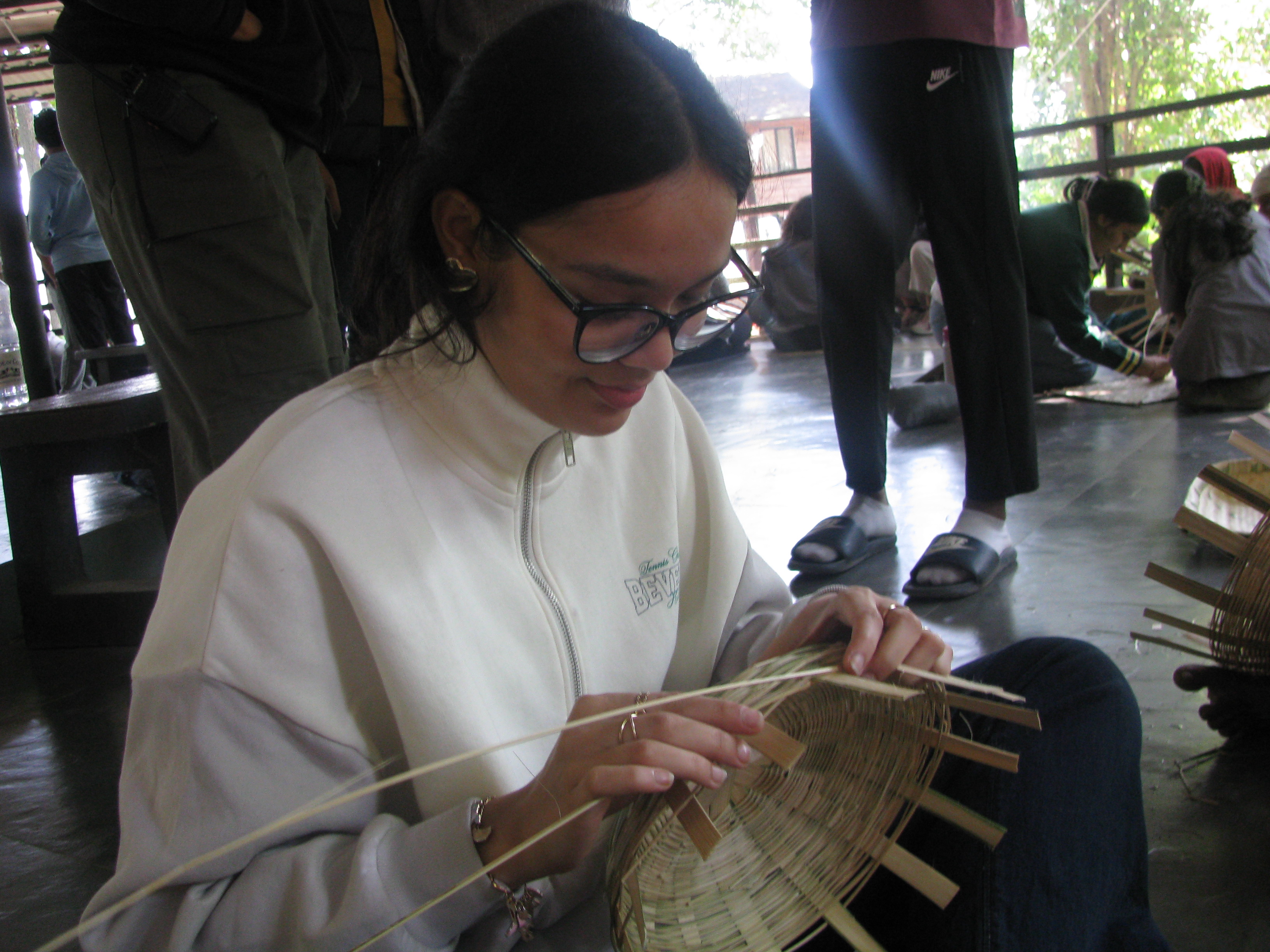
- Bamboo product making – We learned how to make simple products using bamboo, which required both precision and patience.
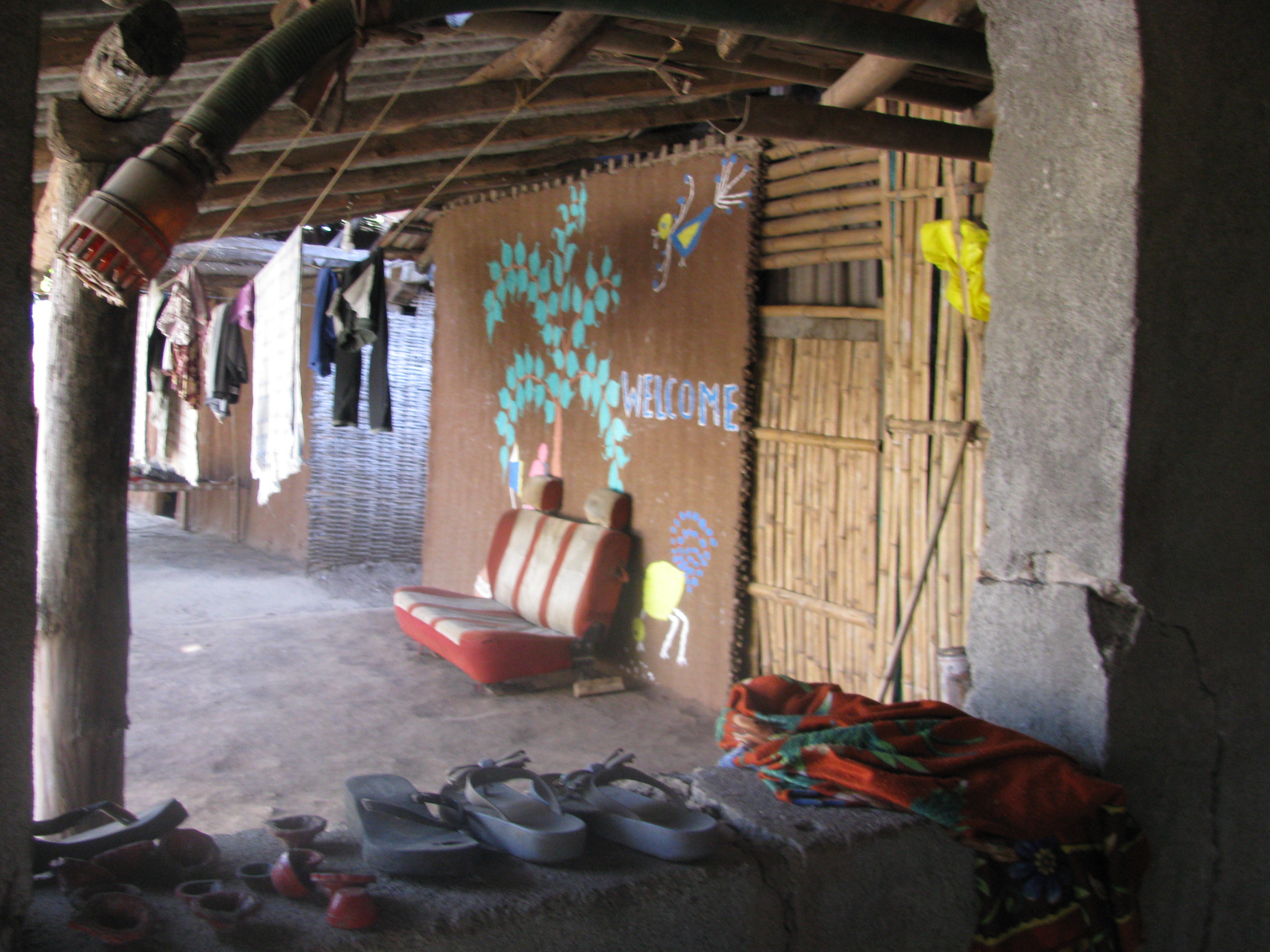
- Warli painting – Painting in the traditional Warli style taught us about indigenous art and its cultural significance.
- Adventure activities – These tested our strength, teamwork, and courage.
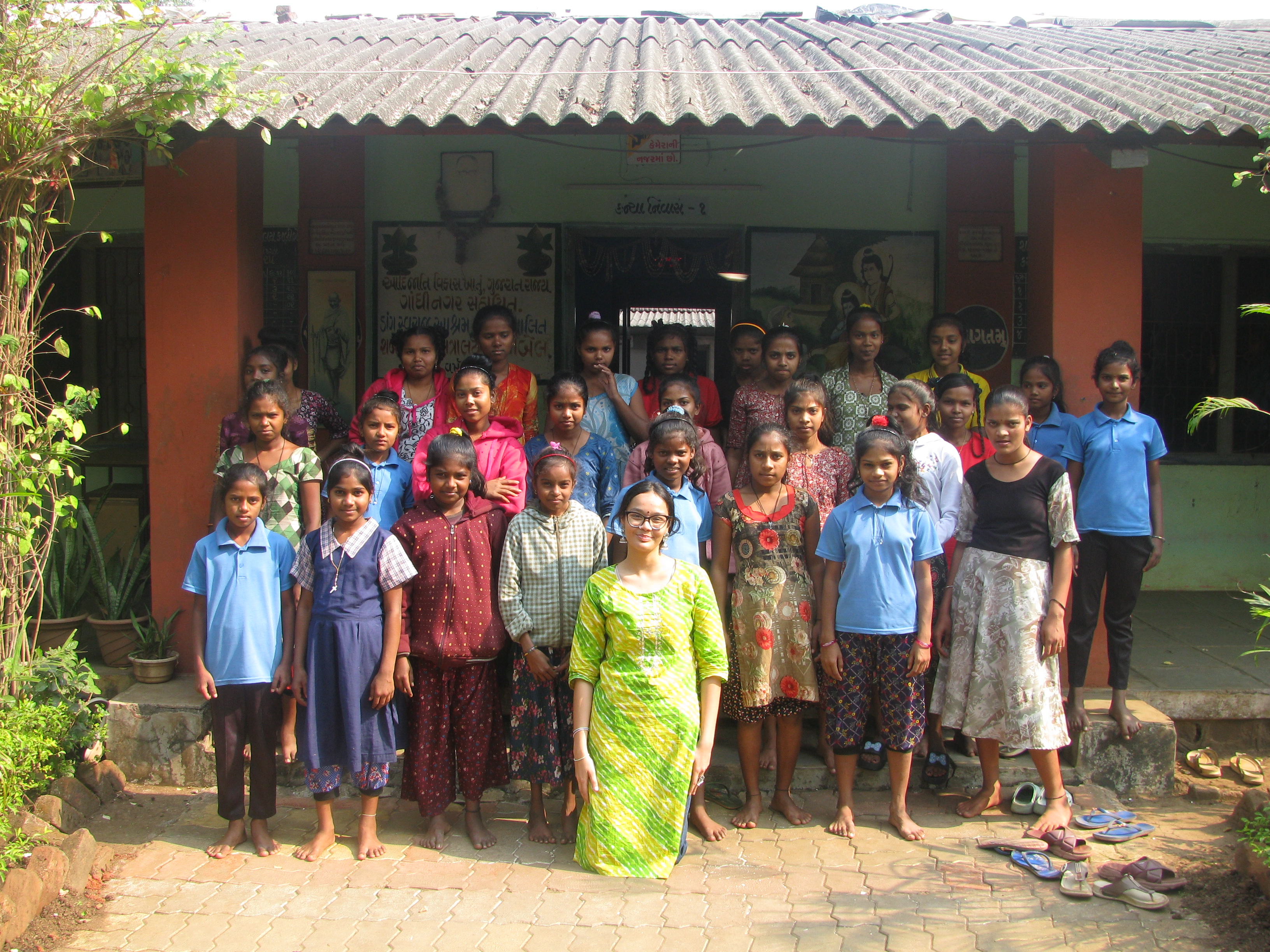
- Aashramsala visit – We visited a local school, interacting with the children and learning about their daily challenges and aspirations.
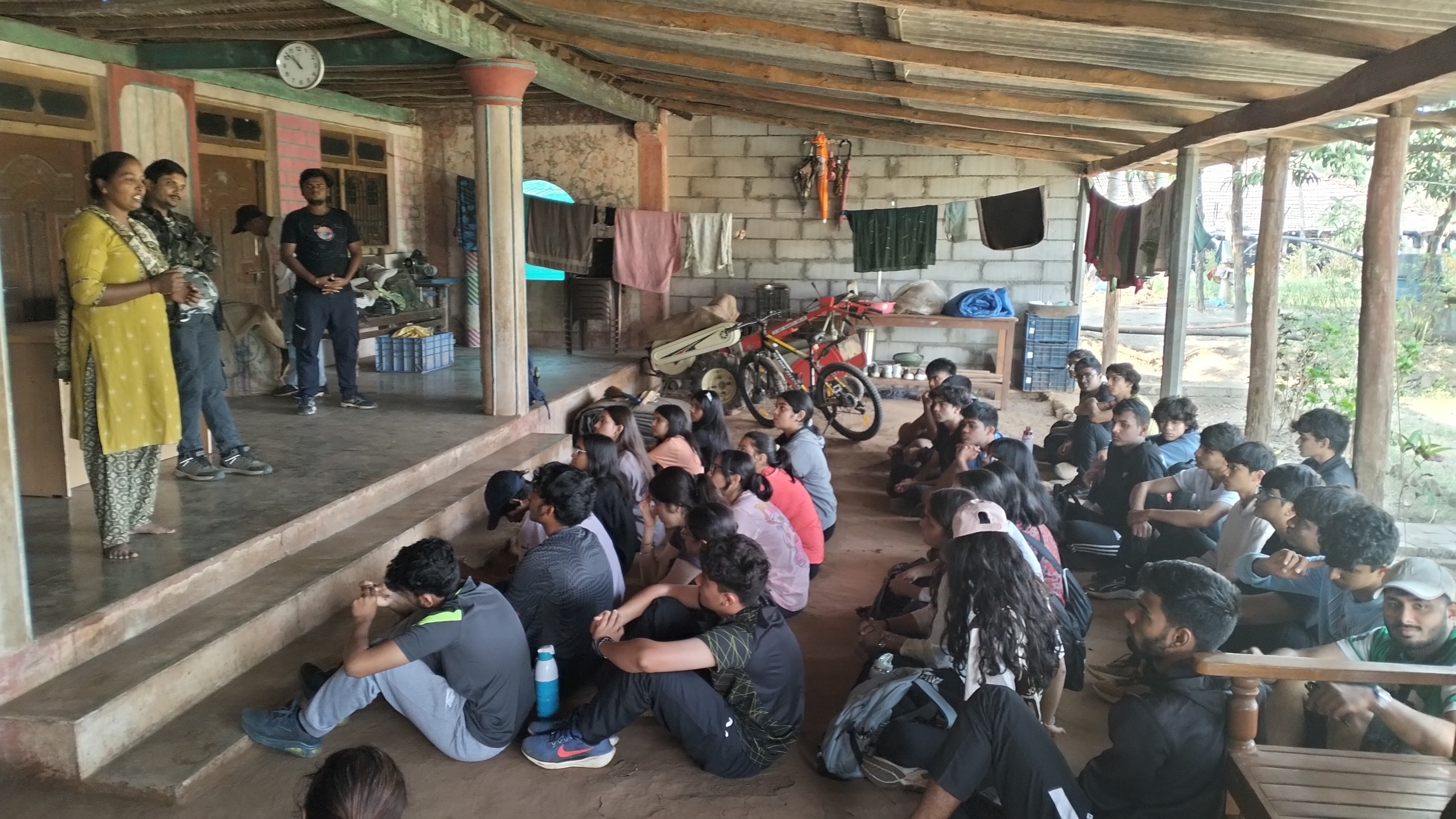
- Meeting with locals – Conversations with the villagers gave us insight into their way of life, problems, and resilience.
- Milk collection unit visit – We learned about the process of milk collection and its importance to the local economy.
- Yoga session – Practicing yoga in the open helped us relax and reconnect with ourselves.
- Leaf collection and ‘Baaj Making’ – Collecting leaves and using them to create crafts was both fun and creative.
- Forest Officers’ Session – We learned about the forest hierarchy and the challenges faced by forest officials in conserving the environment.
Part 2: Living Experience and Bonding
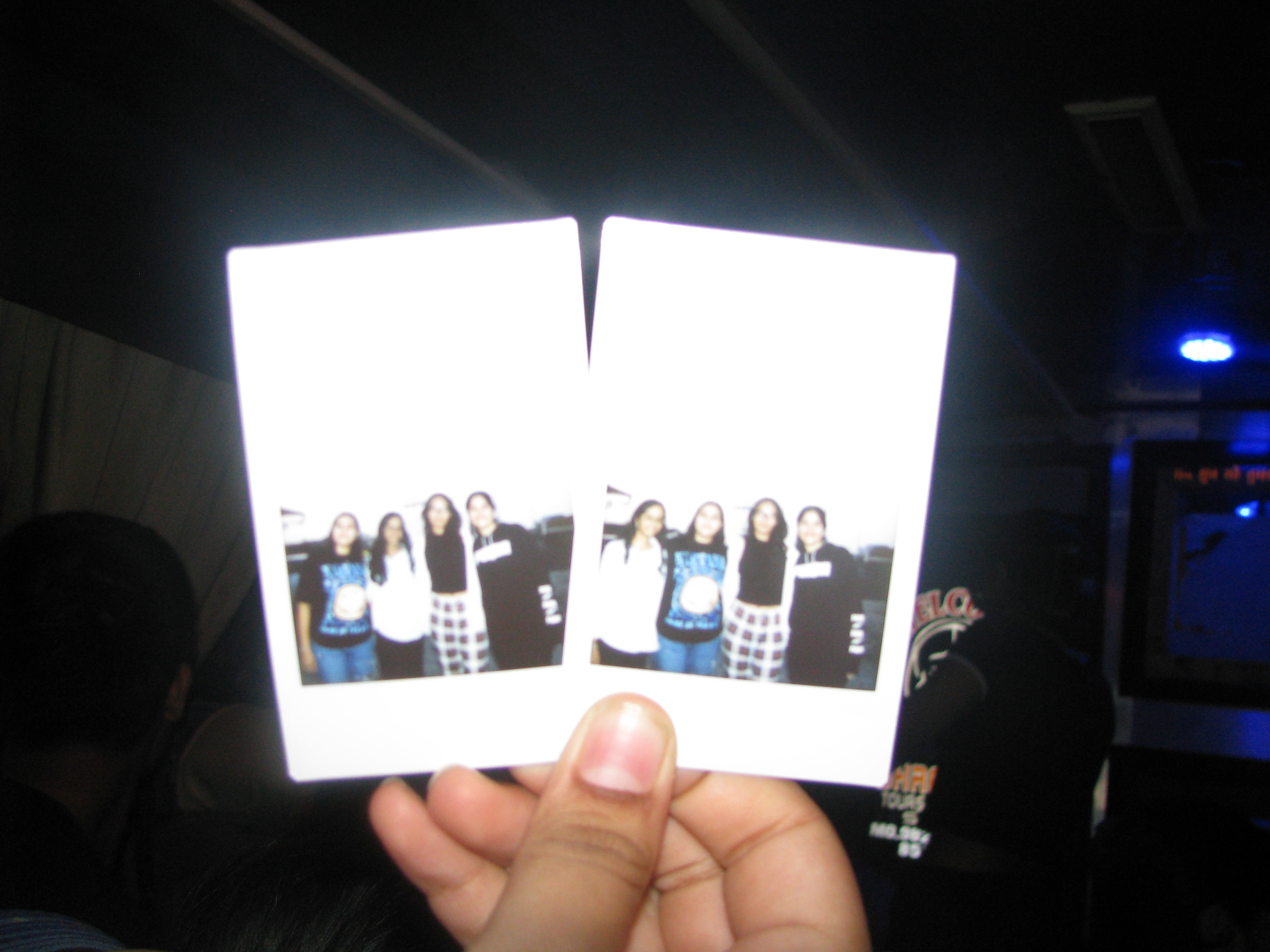
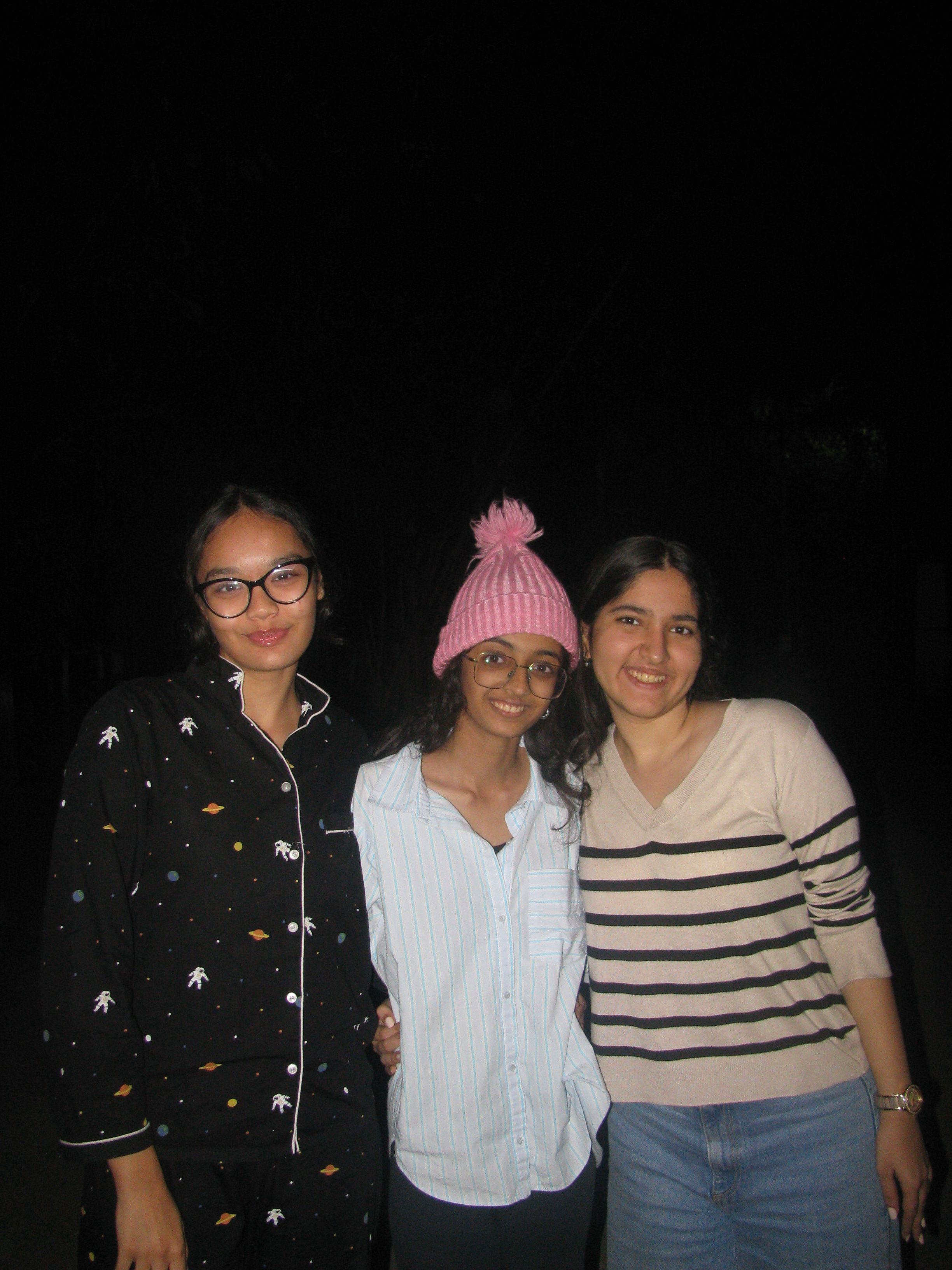
We stayed in a treehouse with just one bed shared between four girls and a teacher—which was both challenging and fun! Nights were filled with endless chitchatting, playing cards, listening to music, and simply enjoying each other’s company. We adapted to the local lifestyle by eating traditional food and understanding their customs and heritage. Documenting all of this through photos and videos allowed us to capture the memories forever.
Bonding with my friends, teachers, and the locals made this trip truly special. It helped me understand the value of simplicity and the strength of community living. The warmth and hospitality of the villagers left a lasting impression on me.
Connection with Learning Outcomes:
- LO1 – Identify own strengths and develop areas for growth.
I discovered my strength in adapting to new environments and working with limited resources. However, I realized that I could improve my communication skills, especially when interacting with people from different backgrounds. - LO2 – Demonstrate that challenges have been undertaken, developing new skills.
Learning to create bamboo products, Warli painting, and farming were new and challenging skills that required patience and focus. Adjusting to rural life, such as staying in a treehouse and eating local food, also pushed me out of my comfort zone. - LO3 – Initiate and plan a CAS experience.
Participating in plastic collection and farming involved strategic planning and teamwork to ensure that the tasks were completed effectively. - LO4 – Show perseverance and commitment in CAS experience.
Farming, bamboo crafting, and plastic collection required consistency and effort. Despite the physical demands, I stayed committed to completing the tasks. - LO5 – Demonstrate skills and benefits of working collaboratively.
Teamwork was essential throughout the trip—whether it was playing games, working in the fields, or staying in the treehouse. We supported each other and shared responsibilities, which strengthened our bond. - LO6-Demonstrate engagement with issues of globalsignificance
- During my rural immersion trip, I was able to engage directly with issues of global significance such as poverty, inequality, access to education, and sustainable living. Observing how rural communities function with limited resources gave me an awareness of the challenges they face in areas like healthcare, schooling, and economic opportunities. These issues, while experienced locally, are also universal concerns that reflect broader global inequalities. The trip helped me realize the interconnectedness between global goals, such as reducing poverty and promoting sustainable development, and the lived realities of communities.
- LO7 – Recognise and consider the ethics of choices and actions.
Collecting plastic and helping with farming made me more aware of the environmental and social impact of our actions. It highlighted the importance of sustainability and respecting local practices.
This trip was not just about exploring rural life—it was about understanding the value of simplicity, hard work, and community. The experience helped me grow as an individual and deepened my appreciation for different cultures and lifestyles.