Experience Details:
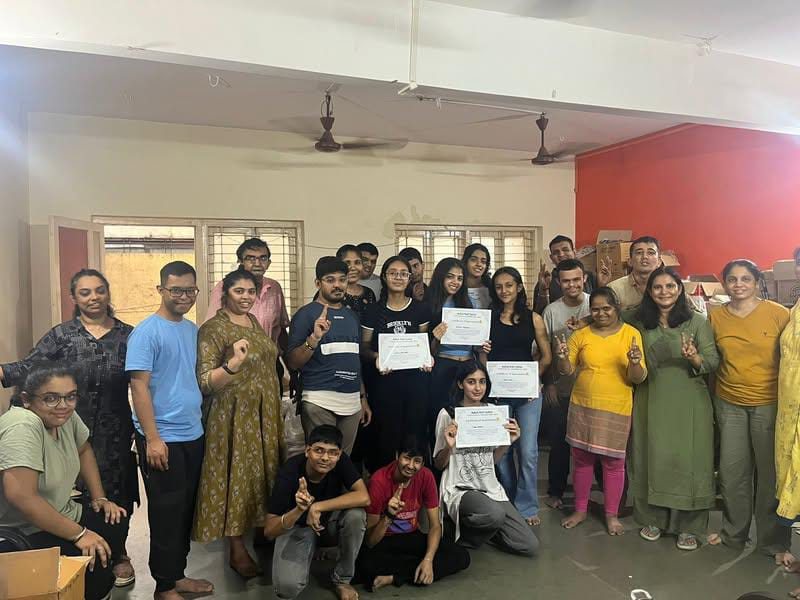
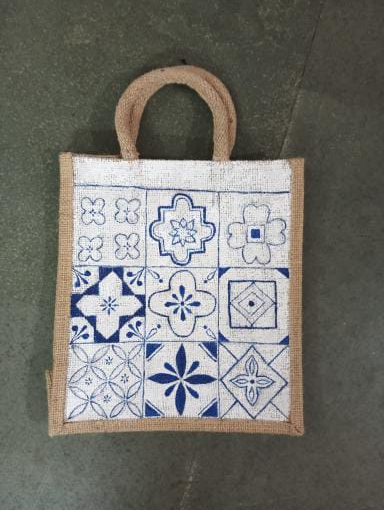
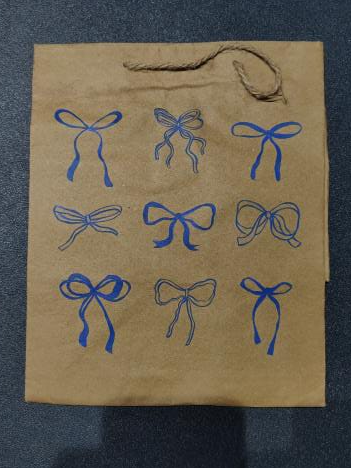
As a part of the CAS experience, we decided to take on a project that would make a difference in the world. We came across a local NGO known as ‘Abal Nahi Sabal’, working with people who had down syndrome. These people practiced making high quality hand-made bags themselves from the start to the end, and attempted to sell them in events. However, recently they were having some trouble appealing to their target audience using their bags because the designs on the bag were not eye-catching and unique. Being art students, we offered to redesign the graphics on their bags and paint them on so that the sale of all their bags can become better. I painted about 7 bags of various sizes over the span of 4-5 weeks with inspiration from modern trends and graphics that are appealing.
LO1: Identify own strengths and develop areas for growth.
While choosing and drawing designs for the bags, I recognized my color coordination skills and made use of that effectively while choosing the colors for my designs. However, I realized the need for patience and precision while painting the bags. I developed patience as a skill since some of the bags took a long period of time to paint. I also developed my fabric painting skills, because I worked with a wide range of fabrics which had different textures and required varied skill sets.
I also developed my problem solving skills which came in handy when some of the bag designs were a little messed up, and I had to redo them again or change the original design that was intended to go on the bag. My efficiency skills also became a lot better because I had to complete a designated set of tasks in the given time period.
LO3: Demonstrate how to initiate and plan a CAS experience.
To make this entire experience successful, we planned and executed a set of steps. Primarily, we had to find a community in need of our skillset. Someone that could actually benefit from the work we were trying to offer. We connected with this NGO in particular, and offered to enhance their handmade products. Since my friend and I were in charge of organizing this entire thing, we then looked for more people who could join us so we could make a bigger group to help them. We also divided the bags they had equally, so people could put in the same amount of efforts and so that they got a bag of every size to work on.
We then collectively found some inspiration online for the bag designs and shared it with one another. There was also a timeline made, for how long the bags should take and milestones in between, which we tried to adhere to. There were time management skills required in the task, since we had to manage to find time to dedicate to this project, as well as time on the weekends to go and meet the people working at the NGO and show them our progress.
There was constant collaboration required between the volunteers since we had to ensure that everyone was on task and working regularly. During this, we faced some challenges in contacting people who weren’t proactive and responding to us, however we overcame that by consistently trying to reach out to them and explaining how this is something important to the NGO which is why it requires our efforts.

LO4: Show commitment to, and perseverance in, CAS experiences.
I believe this was one of the tasks that required the most commitment and perseverance. We had taken up 7 bags to paint, and from finding the designs, to sketching them, to finding the right colors and actually painting them, there were a lot of things to be considered. Creative processes in general require a lot of patience while working, but there were quite a few challenges during this particular one. Since the bags were made of jut, we had to go in with 4-5 coats of paint to get a solid color that looked nice visually. Due to the texture on the bags, it was also quite difficult to paint on extreme details on the bag that made the design look nice.
During the span of these 5 weeks, we got a request in particular about an order that the NGO had gotten, so we had to show commitment to the cause and took up that project on top of all the other bags we were painting. Without monetary motivation that will compensate our work and the time we’ve spent working on this, there had to be a lot of motivation to work for the cause. We used that and thought of the impact we might create if we do these small tasks to help their community out, and persevered through the duration of the experience.
LO6: Demonstrate engagement with issues of global significance.
By assisting people who are disabled, we are working towards promoting equality in the disabled community. We have taken a step to contribute to the local movement for equal rights and opportunities for people with down syndrome. We have also worked towards eradicating poverty and inequality since by redesigning the bags that originally didn’t sell, we’re helping them become financially independent. Overall, working with people who have down syndrome also shows that they’re the same as us, and put in as many efforts as we do in order to sustain in society.
Furthermore, choosing to contribute to the sales of hand-made bags is also a step towards caring for the environment, since these are high quality bags made from jut, paper, cotton, and durable stitching methods, so they can be used for a long period of time without major wear and tear.
The people at the NGO were extremely grateful for our help, and we were left with a sense of satisfaction knowing we took our time out to help people struggling with the skills we already possessed. This experience can definitely be carried forward in the future, and extended to classes and workshops as well.