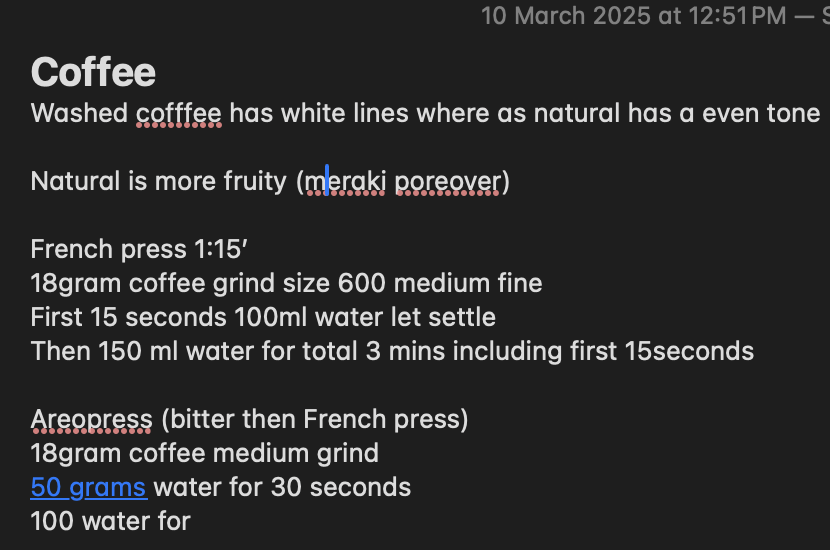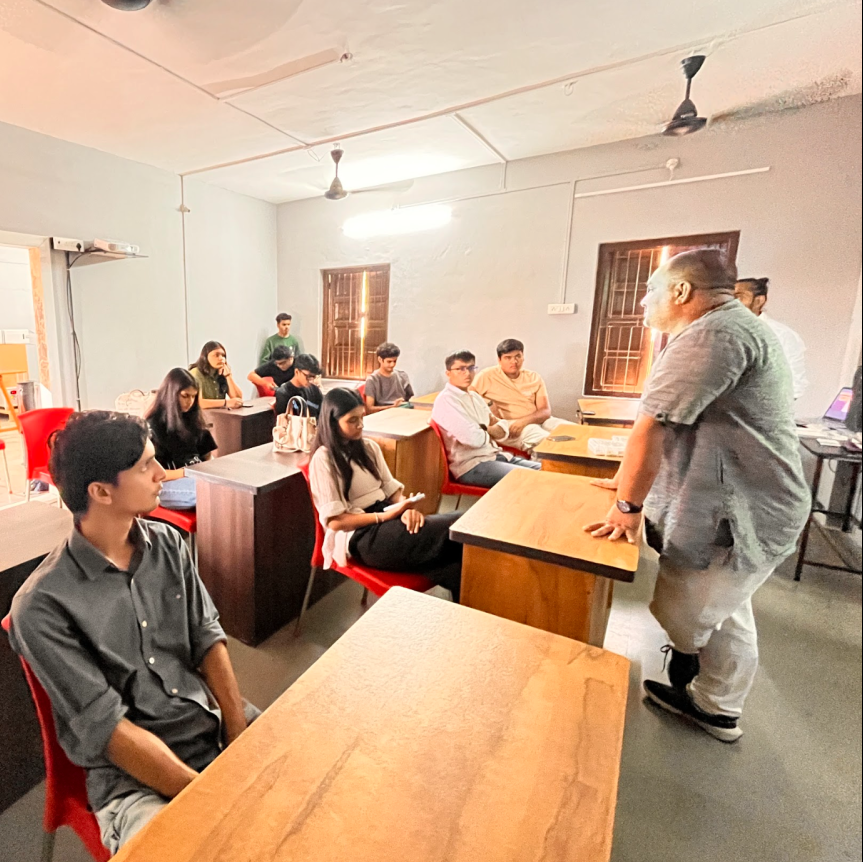
??The barista workshop was a one-day training session in which I got a chance to dive deep into the art of brewing coffee. It was not only a brewing exercise—it included flavors and taste profiles of coffee, the effect of various roasting techniques and grind sizes, several brewing methods, the history of coffee, and various espresso-based beverages. Through this hands-on training, I gained an appreciation for how the small variations in brewing parameters could make a drastic difference in the end taste.
LO1: Strengths and Areas for Development
In the workshop, I learned that coffee preparation needs precision as well as creativity. I honed a delicate palate and became attuned to sensing differences in flavor from different bean origins and roasting techniques. Knowing how to operate espresso machines and brewing tools was important, and I aimed to make my setup and procedure more efficient and effective. Understanding the science behind coffee gave me a greater appreciation of the process and enabled me to see where I could do better, for instance, consistency in brewing.
LO2: Overcoming Challenges and Learning New Skills
I initially under assessed the precision required for coffee brewing. My initial attempts at brewing espresso-based beverages were not consistent because I did not accurately measure the coffee grounds or maintain water temperature regulation. Second, I discovered that grind size was also a determinant of extraction—too fine and the coffee will be bitter; too coarse and it will become weak. I had to experiment several times in order to find the right mix, and after trial and error, I developed my skills. This experience had taught me to be patient, precise, and to modify my approach to produce better results.
LO4: Commitment and Perseverance
Espresso brewing took several attempts before I could achieve the correct extraction and crema. With each failed attempt at espresso not meeting expectations, I would have to return, examine what was wrong, and make corrections. Whether adjusting the grind size, pressure, or the correct water temperature, every try got me closer to mastering the technique. What made the experience even more appealing was the collective nature of the workshop. Everybody in the team shared their lessons and learned one another’s victories and failures. We shared insights on steaming milk, taking shots, and even latte art. That feeling of cohesiveness and mutual learning gave the experience more fun and confirmed the value of collaboration in proficiency development.
LO5: Collaboration and Practical Application
Working in groups with other attendees made the workshop even more interactive. Since we had to work from set recipes and measurements of espresso drinks, I had to learn how to balance creativity with procedure. I also enhanced my communication and multitasking ability, as we needed to make the drinks quickly while sharing information on flavor profiles and brewing. The collective passion of the group helped create an interactive and supportive learning environment, making the experience even richer.
This barista training was a thought-provoking experience that combined technical competence with creativity and problem-solving. In addition to learning how to make the ideal cup, I developed a greater appreciation for coffee-making as an art and a science, and I look forward to using these skills in the future.