Introduction
The CAS (Creativity, Activity, Service) trip to Kilad was more than just an excursion; it was an eye-opening journey into rural life that challenged our perspectives and strengthened our sense of social responsibility. Over the course of the trip, we engaged in various activities that allowed us to step out of our comfort zones, interact with the local community, and appreciate the simplicity of life away from urban luxuries. Through this experience, we addressed several Learning Outcomes (LO) of CAS: identifying strengths and growth areas, demonstrating perseverance, collaborating with others, engaging with ethical considerations, and working cooperatively for community benefit.
Identify own strengths and develop areas for growth (LO1)
One of the most significant aspects of the trip was recognizing our own strengths and areas for improvement. Being in an unfamiliar setting required us to adapt quickly, whether it was adjusting to new living conditions or finding ways to communicate effectively with the local villagers. Some of us discovered leadership skills while organizing activities, while others excelled in creative problem-solving during service tasks. This self-awareness was crucial in helping us grow as individuals, highlighting both our capabilities and the areas where we could improve.
Demonstrate that challenges have been undertaken, developing new skills (LO2)
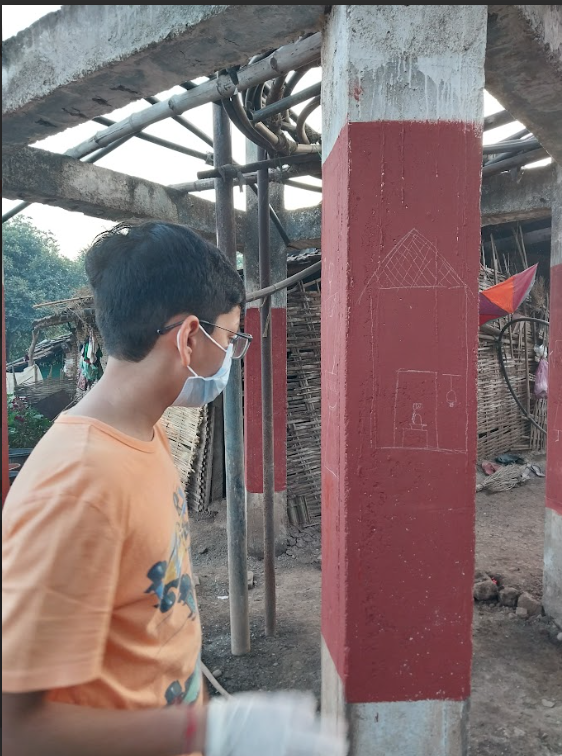
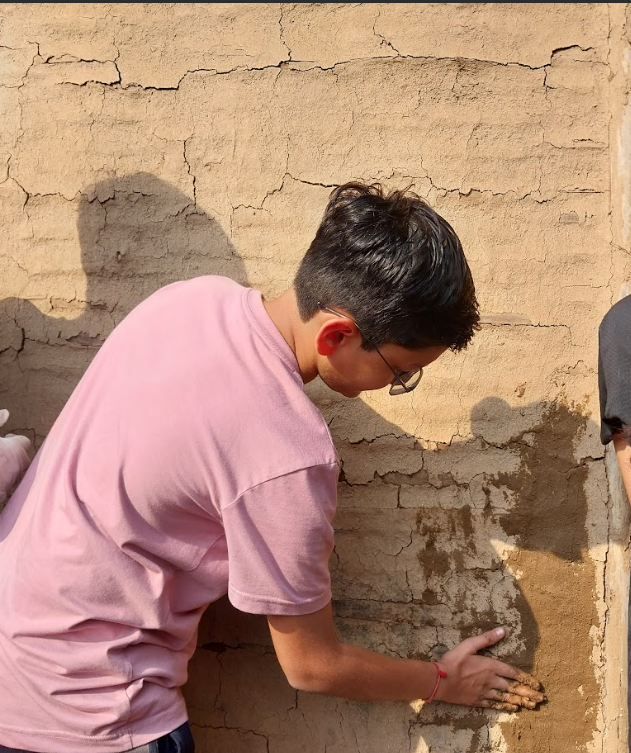
Throughout the trip, we encountered various challenges that tested our endurance and determination. Simple tasks such as adjusting to a lack of modern amenities, engaging in physically demanding activities like cleaning and construction work, and overcoming communication barriers required patience and persistence. Despite these difficulties, we remained committed to our responsibilities, pushing through discomfort and fatigue. The experience taught us that perseverance is key in overcoming obstacles, and our efforts were ultimately rewarding both personally and for the community.
Show perseverance and commitment in CAS experience (LO4)
The trip required us to take on responsibilities that tested our dedication and perseverance. Tasks such as assisting in farming, engaging in environmental conservation efforts, and improving school infrastructure were not only physically demanding but also required sustained effort. However, seeing the direct impact of our work on the community motivated us to keep pushing forward. This experience reinforced the importance of long-term commitment to service, teaching us that perseverance is essential in creating meaningful and lasting change.
Demonstrate skills and benefits of working collaboratively (LO5)
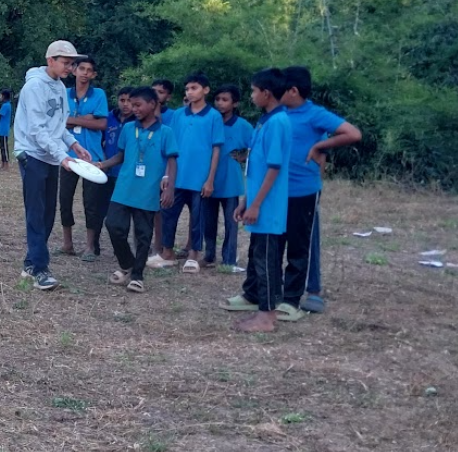
Teamwork played a crucial role in making our trip impactful. Whether it was planning educational sessions for schoolchildren, executing service projects, or managing daily responsibilities within our group, collaboration was essential. Working with peers and local villagers helped us develop better communication, coordination, and problem-solving skills. We learned to appreciate different perspectives and support one another, reinforcing the idea that collective effort leads to more meaningful and effective contributions.
Recognizing and Considering the Ethics of Choices and Actions (LO7)
While working within the Kilad community, we had to ensure that our actions were ethically responsible and aligned with the needs of the local people. From making sure that our service activities were sustainable to respecting the villagers’ cultural traditions, we constantly reflected on the impact of our choices. This experience made us more aware of how ethical considerations play a role in service and social interactions, reinforcing the need to approach community work with empathy, responsibility, and sustainability in mind.
Conclusion
The Kilad trip was a transformative experience that reinforced the essence of CAS—going beyond textbooks to develop real-world skills and values. It pushed us to challenge our perspectives, work collaboratively, and appreciate diverse ways of life. This journey was not just about what we gave to the community but also about what we gained—memories, insights, and a renewed commitment to making a difference.
By successfully integrating the Learning Outcomes of identifying strengths, perseverance, collaboration, service, and ethical responsibility, this trip will undoubtedly remain one of the most meaningful experiences of our IB journey, reminding us that true learning often happens outside the classroom.