Service
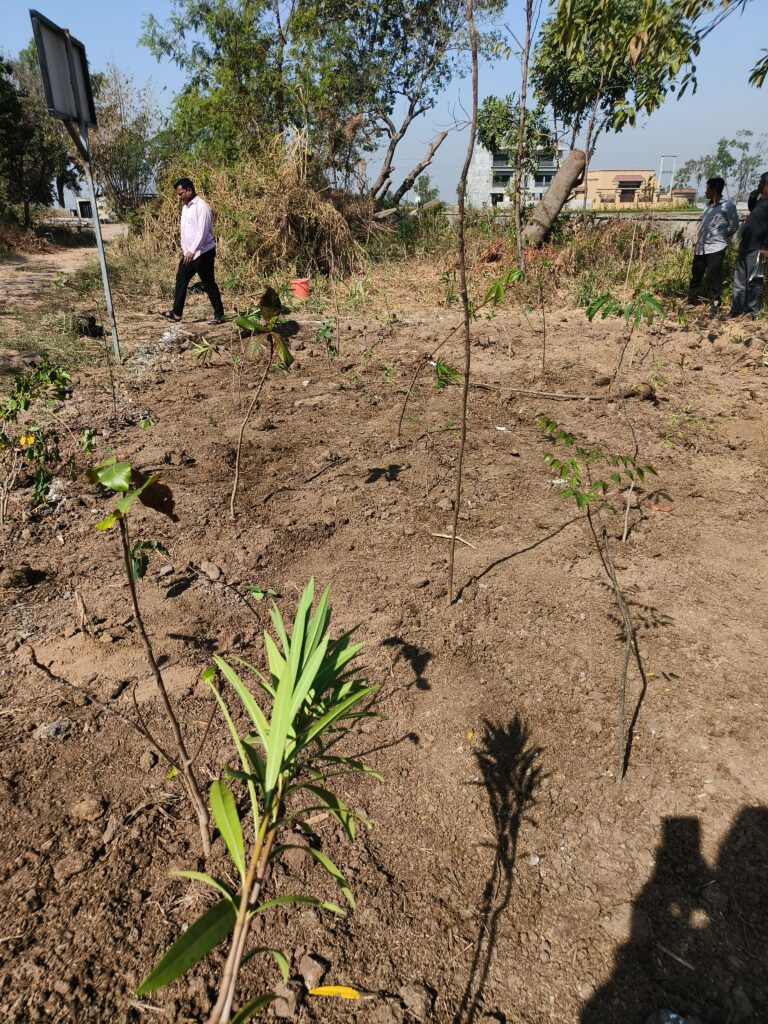
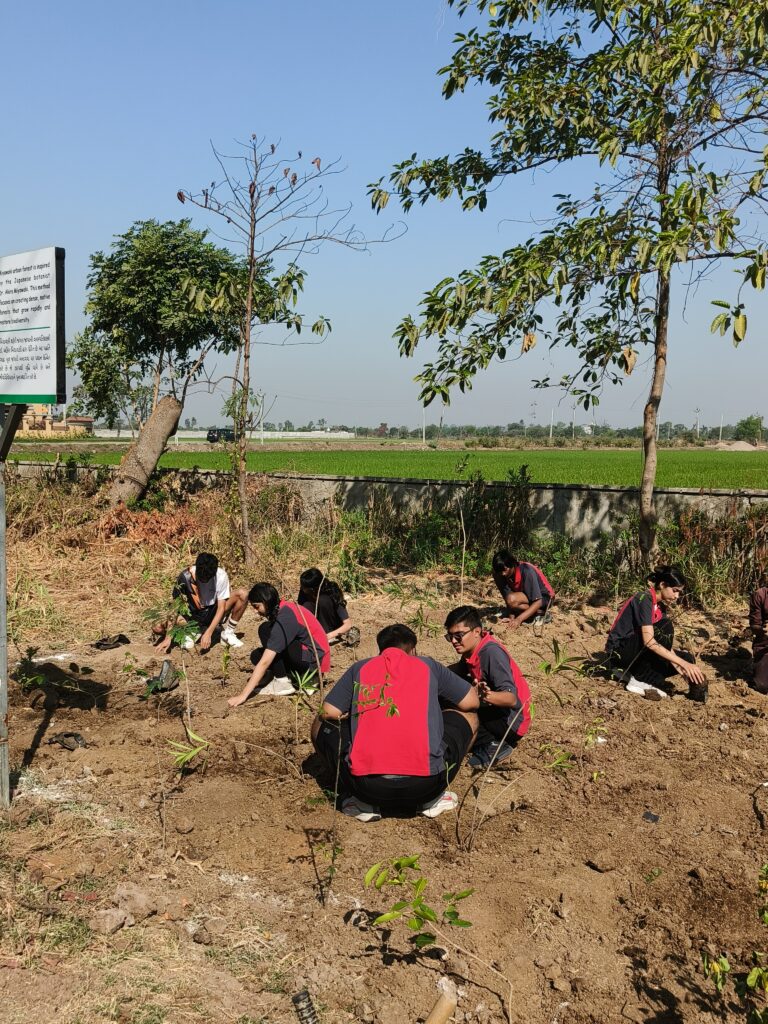
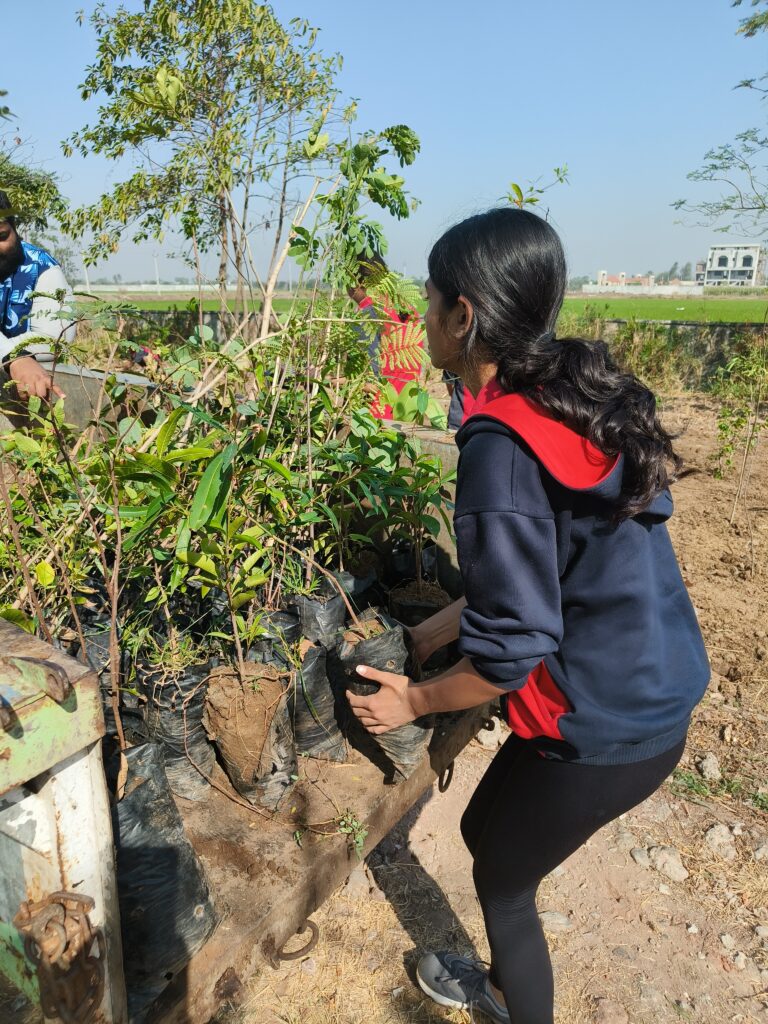
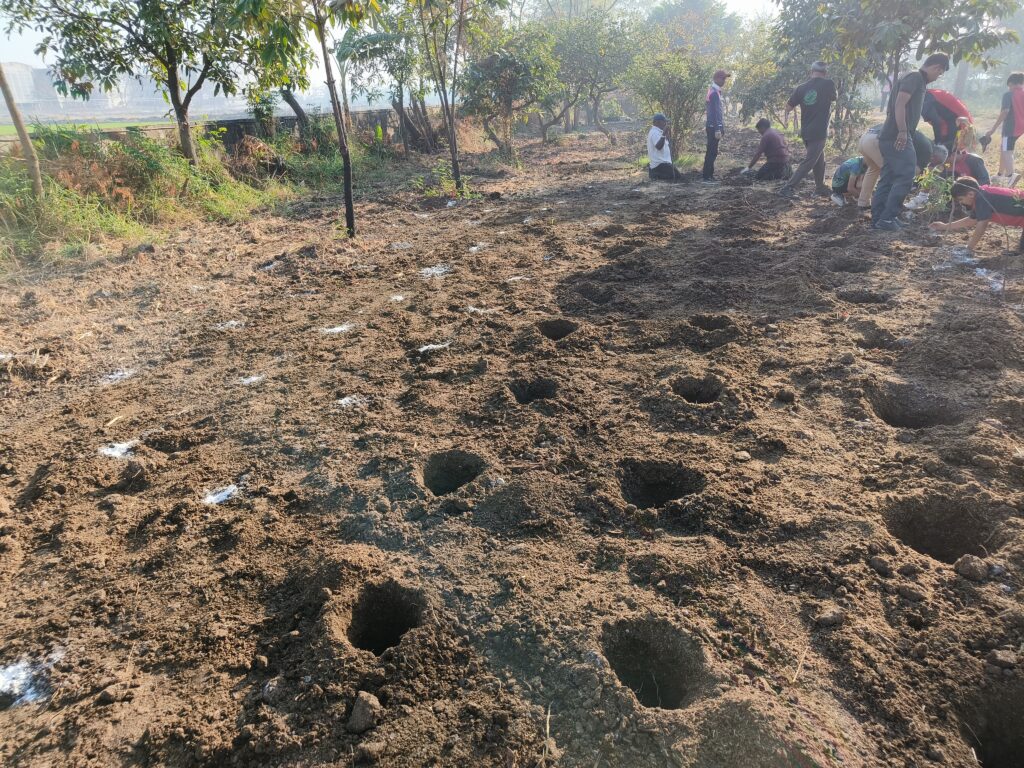
Miyawaki farming is an innovative afforestation method that promotes rapid growth and biodiversity by planting dense, native forests. This method is particularly relevant in the context of Sustainable Development Goal (SDG) 15 – Life on Land, which emphasizes the importance of conserving and restoring ecosystems. Engaging in this farming technique allows us to contribute to environmental sustainability while learning about ecological restoration. By participating in Miyawaki plantation activities at KG Farm, I aim to understand the impact of reforestation on biodiversity, soil health, and climate resilience, making a tangible difference in our surroundings.
LO4 – Show perseverance and commitment in CAS experience:
Farming is a physically demanding and time-consuming task that requires patience and dedication. This experience will test my ability to remain committed to the process despite challenges like harsh weather conditions or physically exhausting work. By consistently showing up and putting in the effort required, I will develop resilience and perseverance, which are essential life skills.
LO5 – Demonstrate skills and benefits of working collaboratively:
Farming is not a solo activity—it requires teamwork and coordination. At KG Farm, I will be working alongside peers and farm staff to ensure efficient planting and care of crops. Effective communication, division of tasks, and problem-solving will be key to achieving our goals. This collaborative effort will help me appreciate the value of teamwork in addressing real-world issues.
LO6 – Engagement with issues of global significance:
Deforestation, soil degradation, and loss of biodiversity are pressing global concerns. By engaging in farming and plantation activities, I will be taking direct action to counteract some of these environmental issues. This hands-on experience will deepen my understanding of sustainable agriculture and its role in protecting life on land, aligning with SDG 15.
LO7 – Recognize and consider the ethics of choices and actions:
Our actions in farming have ethical implications, from the choice of crops we plant to the farming methods we use. By opting for sustainable practices, we ensure that we are not harming the environment or exploiting resources irresponsibly. This experience will encourage me to think critically about ethical farming practices and the long-term impact of our actions on the ecosystem.