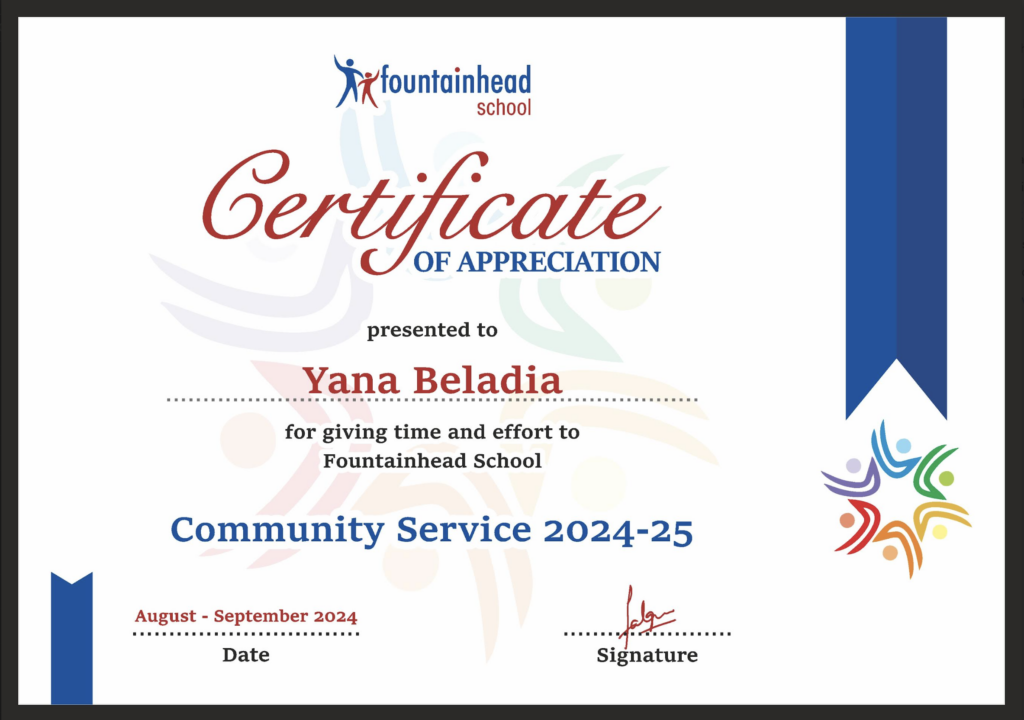
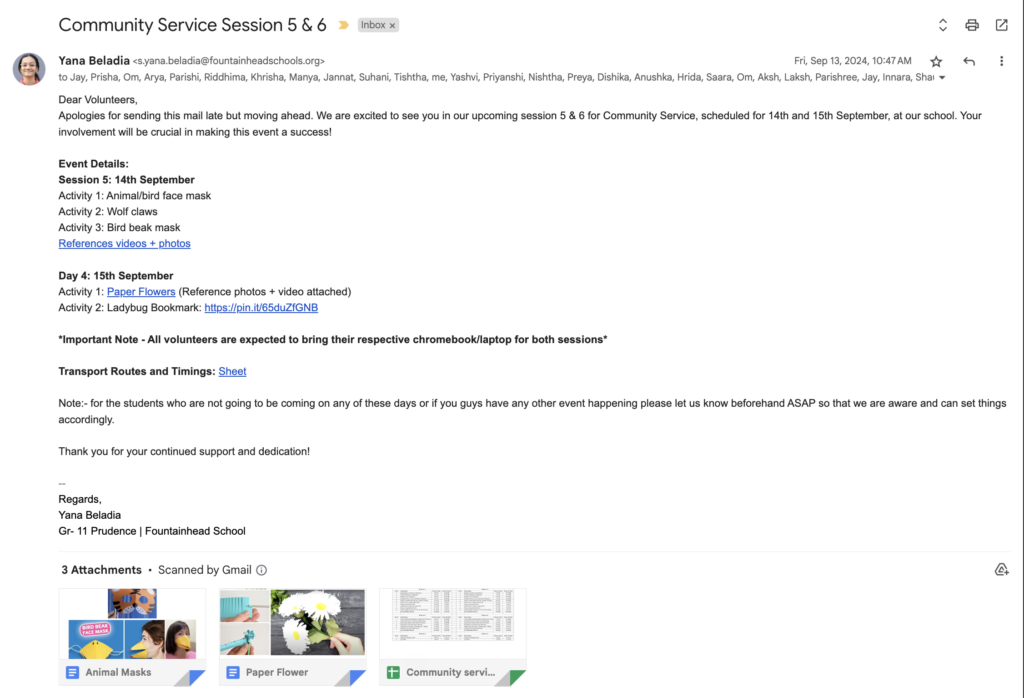
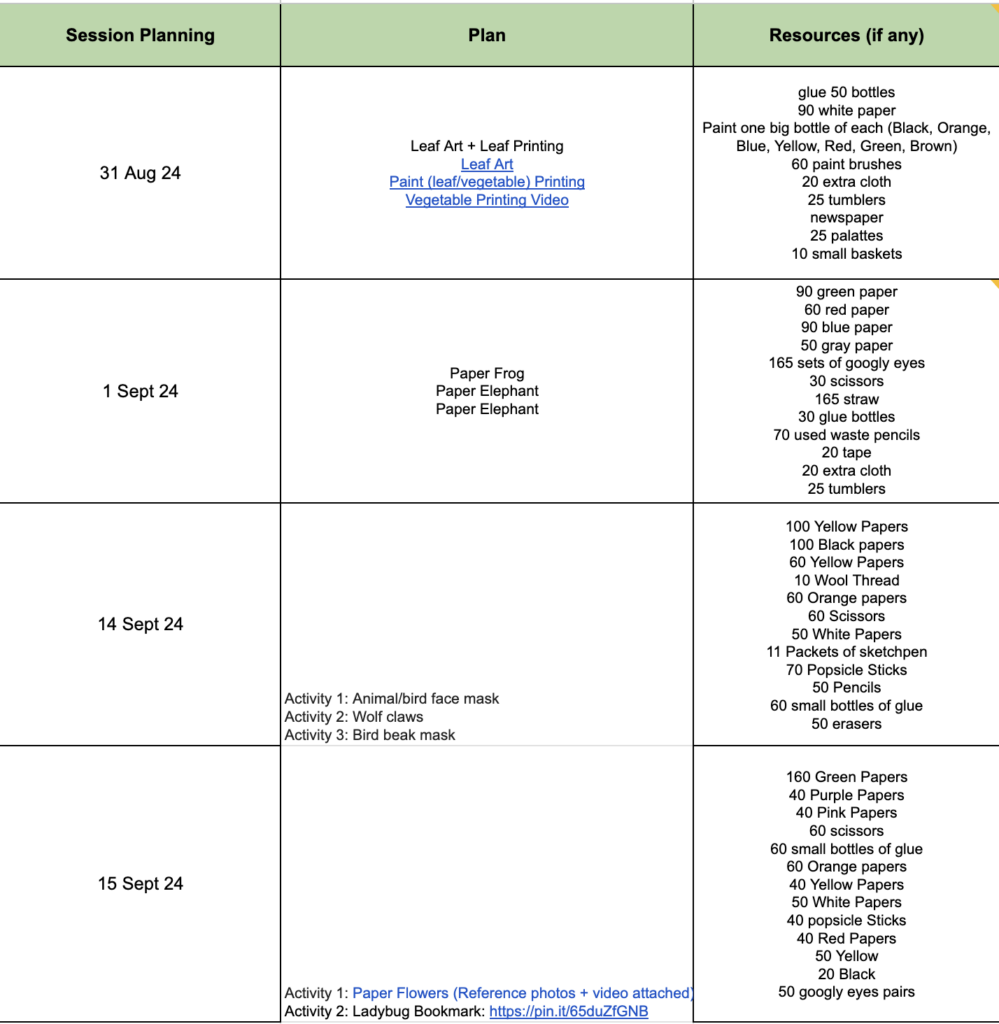
Over three weeks and six sessions, I had the opportunity to lead the Best Out of Waste community service activity, where I, along with other volunteers, conducted engaging arts and crafts sessions for students from nearby SMC schools. The main objective was to educate them on sustainability by teaching them how to repurpose waste materials into creative projects. As the in-charge of this activity, my role extended beyond just organizing the sessions—I was responsible for guiding the students, managing group dynamics, and ensuring that each session was both engaging and educational. Through this experience, I not only strengthened my leadership and teamwork skills but also deepened my understanding of sustainability and community service.
Learning Outcome 1: Identifying Strengths and Areas for Growth
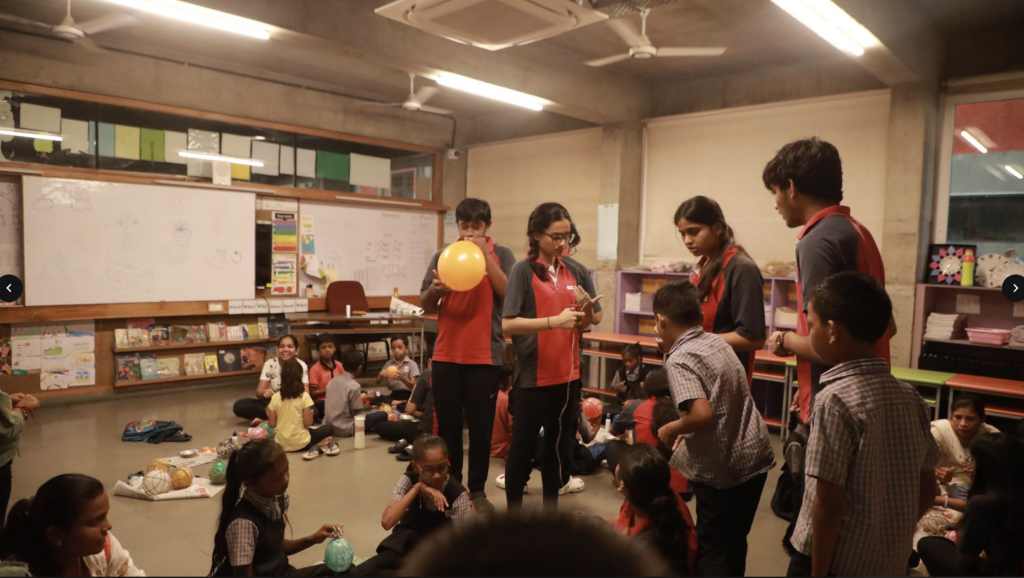
One of the strengths that I exhibited while carrying out this activity was my ability to build quick rapport with the students. Although it was my first time meeting them, I was able to put them at ease and make them develop a good environment in which they were eager to be creative. One area where I needed to improve initially was in handling a big group.
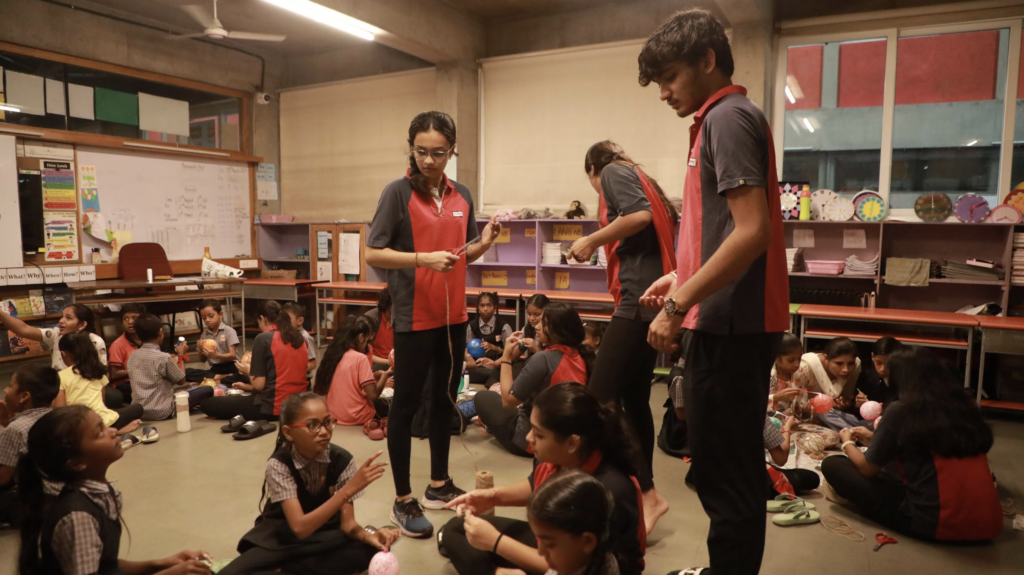
It was challenging to coordinate the various levels of engagement between various students—some eager, some resistant. I learned through trial and error and improvised as I divided the class into small groups and conducted interactive demonstrations, making me feel more assertive in my leadership skills. The experience brought to light the fact that leadership is not merely issuing commands but also being receptive to various learning modes and being inclusive.
Learning Outcome 2: Undertaking Challenges and Developing New Skills
Teaching sustainability using art was not as straightforward as I thought it would be. Some of the students were not interested at first or did not wish to work with waste materials since they considered them “useless.” This prompted me to change tack—instead of telling them why we need to manage waste, I showed them by converting the unwanted items into something usable. I also employed group discussions on the importance of our small actions towards environmental sustainability.
I learned improved communication skills and the ability to make sustainability a relevant and interesting subject through this experience. I also learned how to manage different classroom dynamics, which will serve me well in future leadership positions.
Learning Outcome 4: Commitment and Perseverance
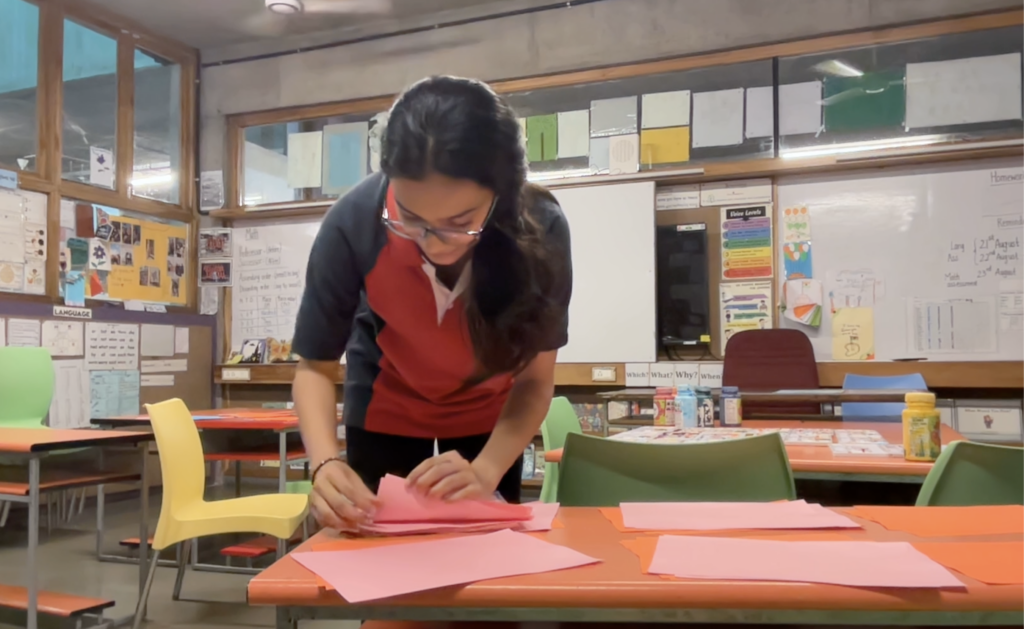
Heading this project needed commitment, particularly in making every session organized and productive. It took longer for some of the students to catch the concept of waste utilization through creative means, so I had to be patient and try various methods to drive the point home. There were also moments when things did not go according to plan—some sessions ran longer than anticipated, or some of the students lost interest. But instead of being dismayed, I modified the activities to make them more enjoyable. Watching students shine with pride as they showcased their finished projects at the end of the sessions was a reminder that patience is a virtue.
Learning Outcome 5: Collaboration and Teamwork
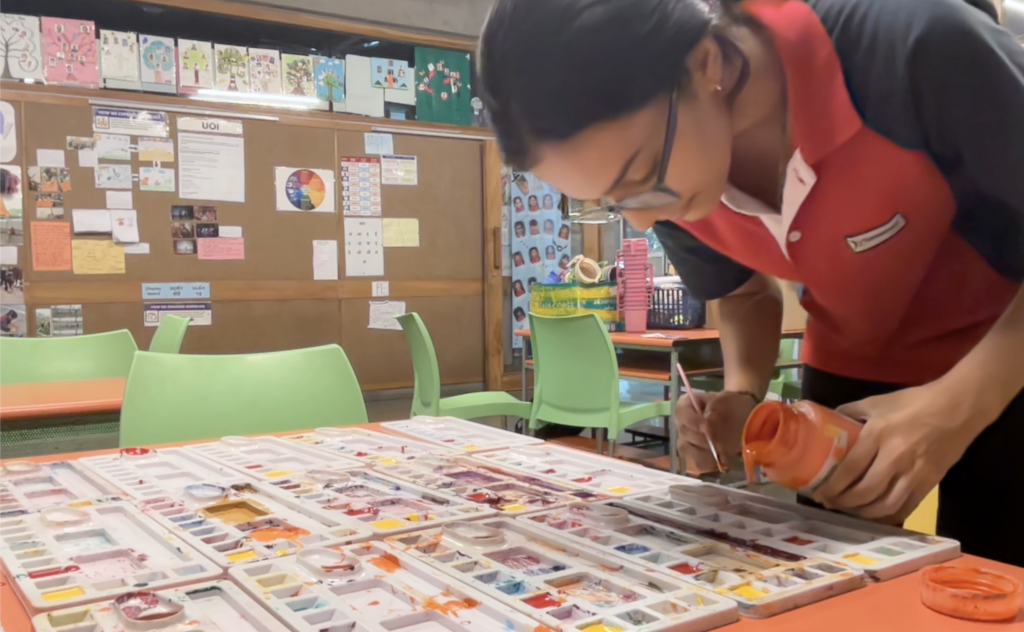
This session reminded me again of the strength of teamwork not only for our students but even for our volunteers. As the one in charge, I needed to be capable of coordinating with my volunteer peers in how we share responsibilities. Splitting up responsibilities—like preparing materials, helping students, and monitoring time—enabled the sessions to flow smoothly.
I discovered that teamwork is not only about dividing tasks but also about being there for one another when things go wrong. Collaboration with my group also enhanced my capacity to listen to others’ opinions, which made the sessions more dynamic and participatory.
Learning Outcome 6: Engagement with Global Issues
The Best Out of Waste activity had a direct impact on the global sustainability challenge, namely the UN Sustainable Development Goal of Quality Education. Through educating students to reuse things creatively, we acquainted them with the concept of responsible consumption and reduction of waste. Most of them were unaware that common waste can be converted into something productive. This project also made me highly conscious of the position of education in fostering environmental responsibility. I came to know that small-scale, locally driven projects like these could be a component of global solutions if dealt with appropriately.
Final Reflection
From this service experience, I not only learned leadership and teaching but also further understood the impact that small actions could have on people and the environment. It was rewarding to see students grow more confident in their creativity and knowledge about sustainability. This experience encouraged me to keep seeking opportunities to combine creativity with environmentalism for my future community services.