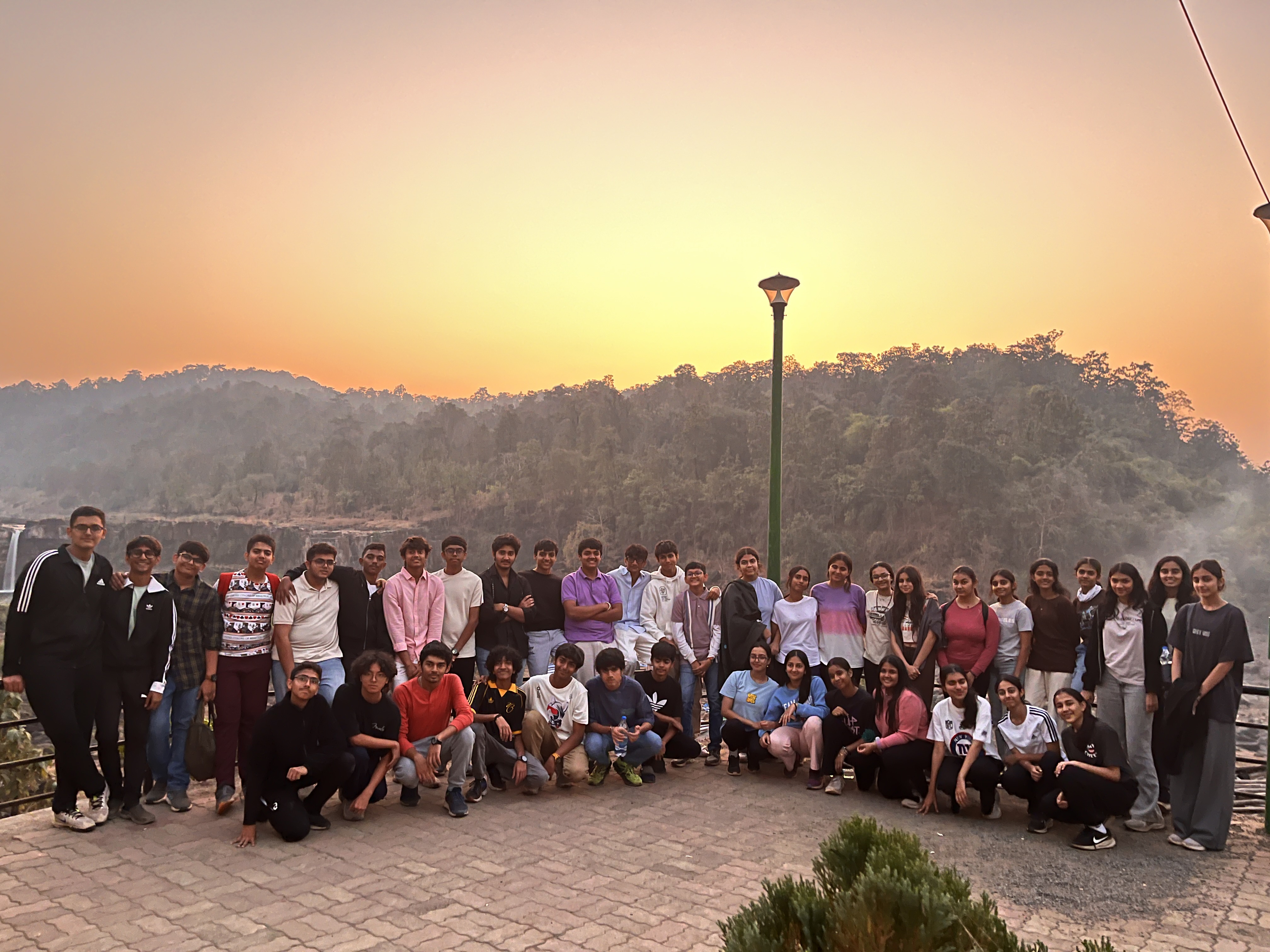
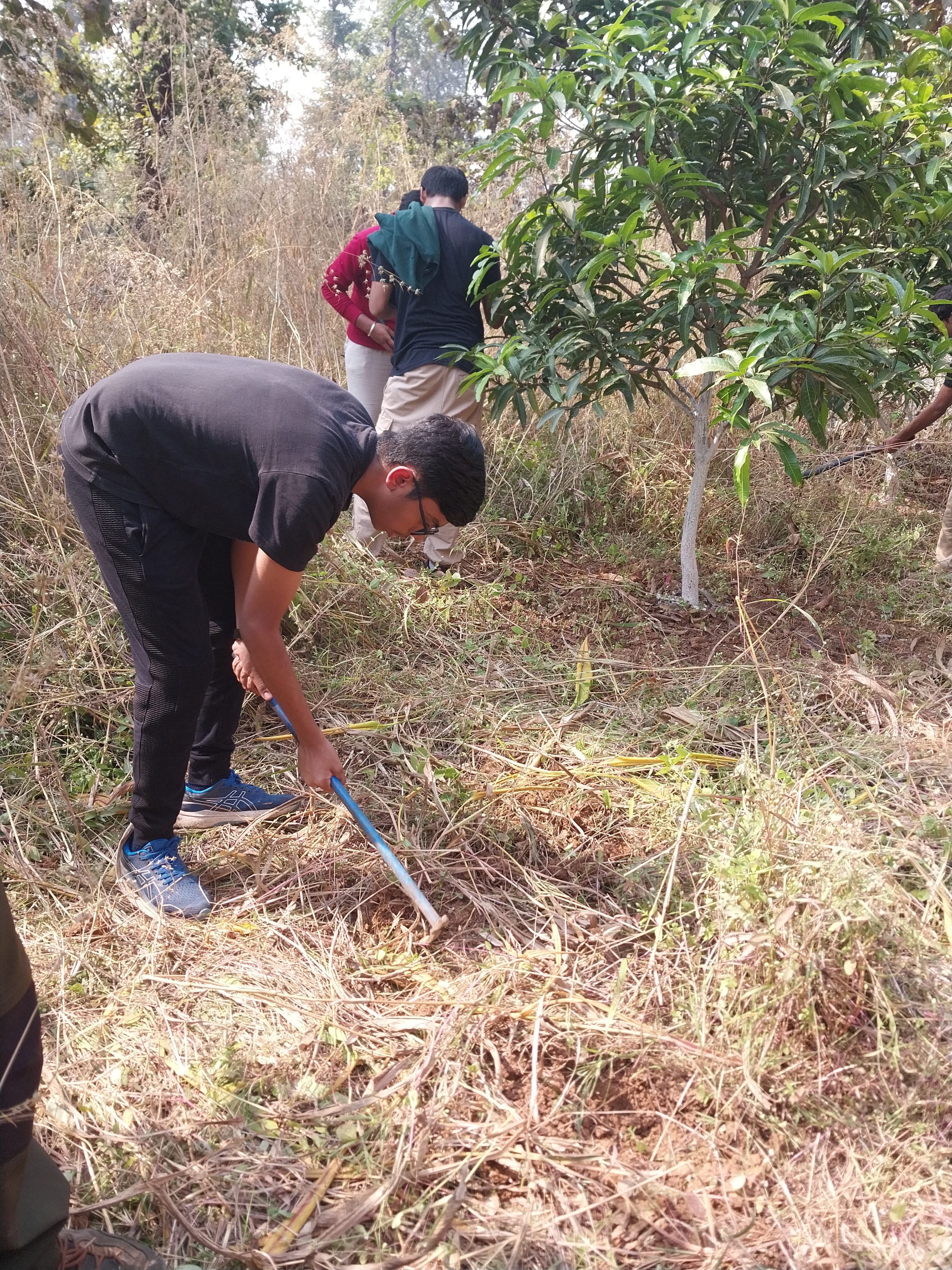
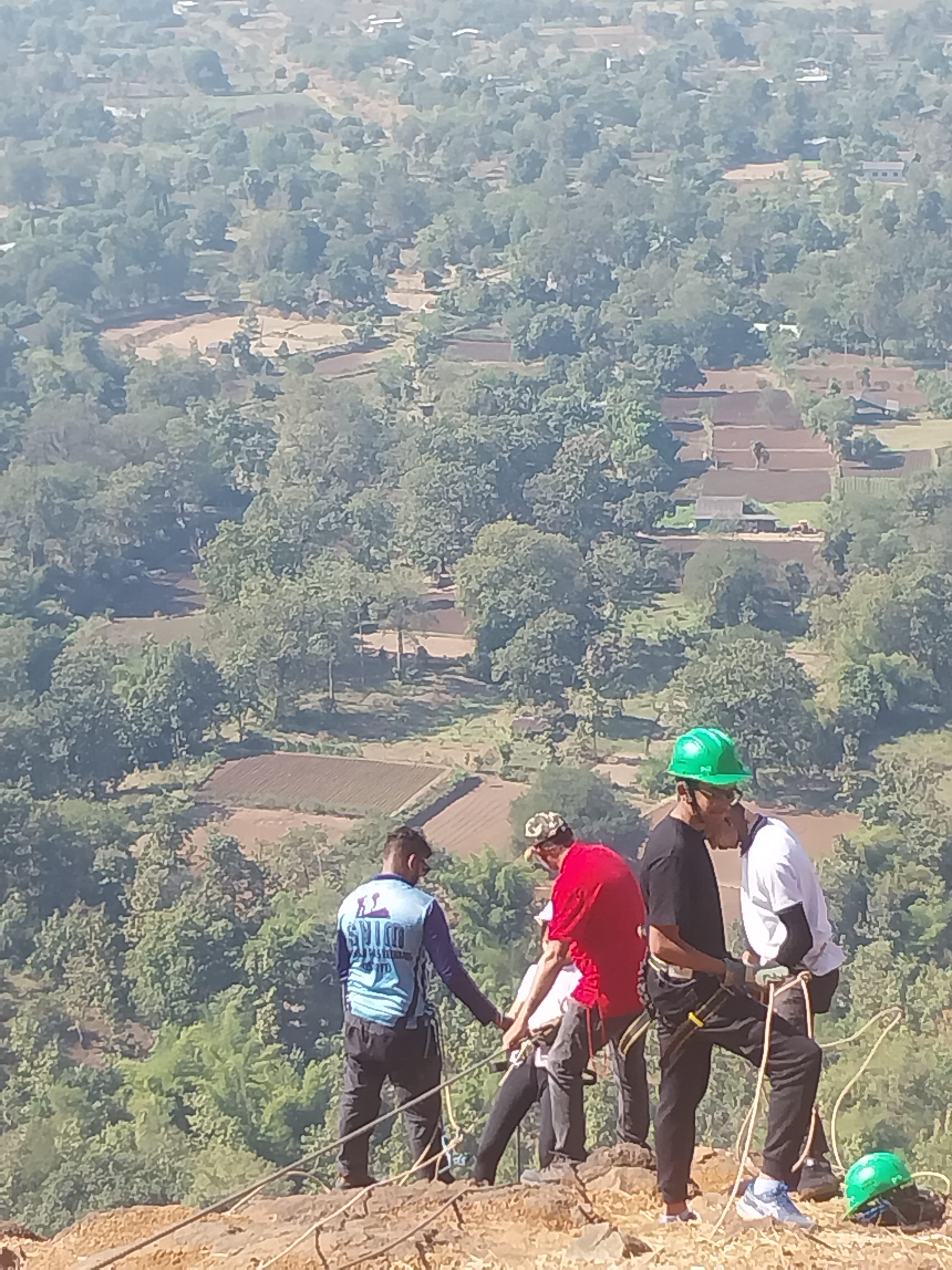
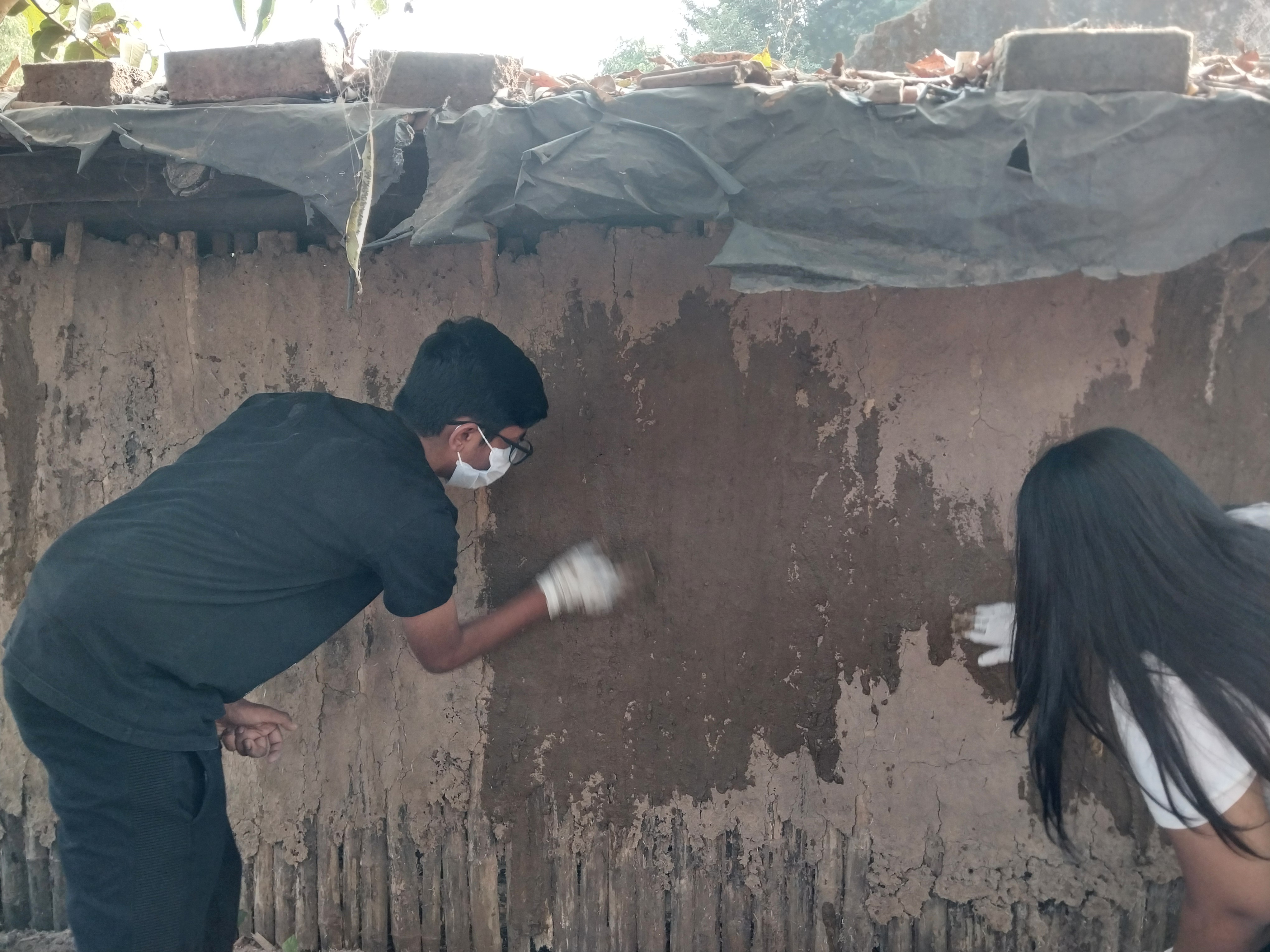
Our school organized a rural immersion trip to Kilad Campsite, where we spent six days living among rural communities, away from modern luxuries and technology. The purpose of this trip was to understand the lifestyle of rural people, adapt to minimal resources, and experience their culture firsthand. We lived in dormitories, ate simple meals, participated in physical tasks, and interacted with local people, which gave us a new perspective on life and its challenges.
LO 1: Identify own strengths and develop areas for growth
During this trip, I realized my strength of adaptability. Initially, I thought it would be very difficult to stay without mobile phones, air conditioning, or good food, but I managed to adjust quite quickly. I also discovered that I was good at manual tasks like helping with farm work and assisting in cooking, which I did not expect from myself. However, I identified my weakness in physical stamina as I struggled during long treks and heavy physical work. I also found it difficult to socialize with the local community initially, as I was unsure how to approach them. This experience made me realize that I need to improve my stamina, socializing skills, and patience in unfamiliar situations.
LO 2: Demonstrate that challenges have been undertaken, developing new skills
One of the major challenges during this trip was adapting to a minimalistic lifestyle. We did not have access to mobile phones, luxurious food, or comfortable beds, which was tough to handle in the beginning. However, I gradually learned to live with less and appreciate the simplicity of life. Another challenge was participating in daily physical activities such as farming, trekking, and cooking on traditional stoves, which required a lot of energy and patience. I also developed new skills like cooking traditional food, working in fields, and understanding local dialects. This experience taught me the importance of adjusting to different situations and working with limited resources without complaining.
LO 4: Show perseverance and commitment in CAS experience
Staying in a rural area for six days without any modern facilities required a lot of perseverance and mental strength. The heat, lack of variety in food, and continuous physical work made me feel exhausted at times, but I did not give up. Waking up early, walking long distances, and actively participating in tasks every day required me to stay committed to the experience. There were moments when I wanted to give up and rest, but I pushed myself to stay active and engaged throughout the trip. This helped me build mental toughness and a sense of commitment, which will help me in future challenges.
LO 6: Engagement with issues of global significance
One of the most eye-opening aspects of this trip was seeing the social and economic struggles of rural communities. I realized that access to basic needs like education, healthcare, and job opportunities is still a major challenge for them. This made me think about global issues of poverty, social inequality, and lack of resources. It also made me appreciate the importance of sustainability, as the locals depend heavily on natural resources for their survival. This experience taught me that rural development and social equality should be given more importance globally, and I personally felt motivated to support initiatives that aim at uplifting rural communities.
LO 7: Recognize and consider the ethics of choices and actions
During this trip, I realized how important it is to respect local cultures and lifestyles. While interacting with the villagers, I made sure to be polite, listen to them, and understand their challenges without any judgment. It was also important for us to not disturb their daily routine or consume too many resources, as they have very limited means. Additionally, we ensured that we did not litter, waste food, or misuse their resources, as it would have been unethical. This experience made me more conscious about how my actions can impact others, and I now understand the importance of being thoughtful and respectful towards different communities.
Reflection:
The rural immersion trip was a life-changing experience that helped me realize my strengths, weaknesses, and the importance of simplicity in life. I learned how privileged I am to have access to resources that rural people lack. It also gave me a new perspective on global issues like poverty, sustainability, and social inequality. Moreover, I developed new skills like teamwork, resilience, and adaptability, which I believe will benefit me in the future. If I ever get a chance to participate in a similar experience, I would be more prepared and proactive in engaging with the local community and contributing to their betterment. This trip made me more socially responsible and mindful of my actions towards society.