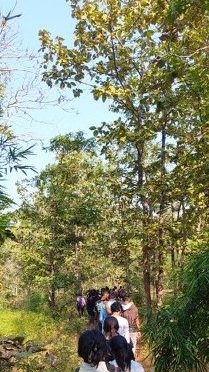
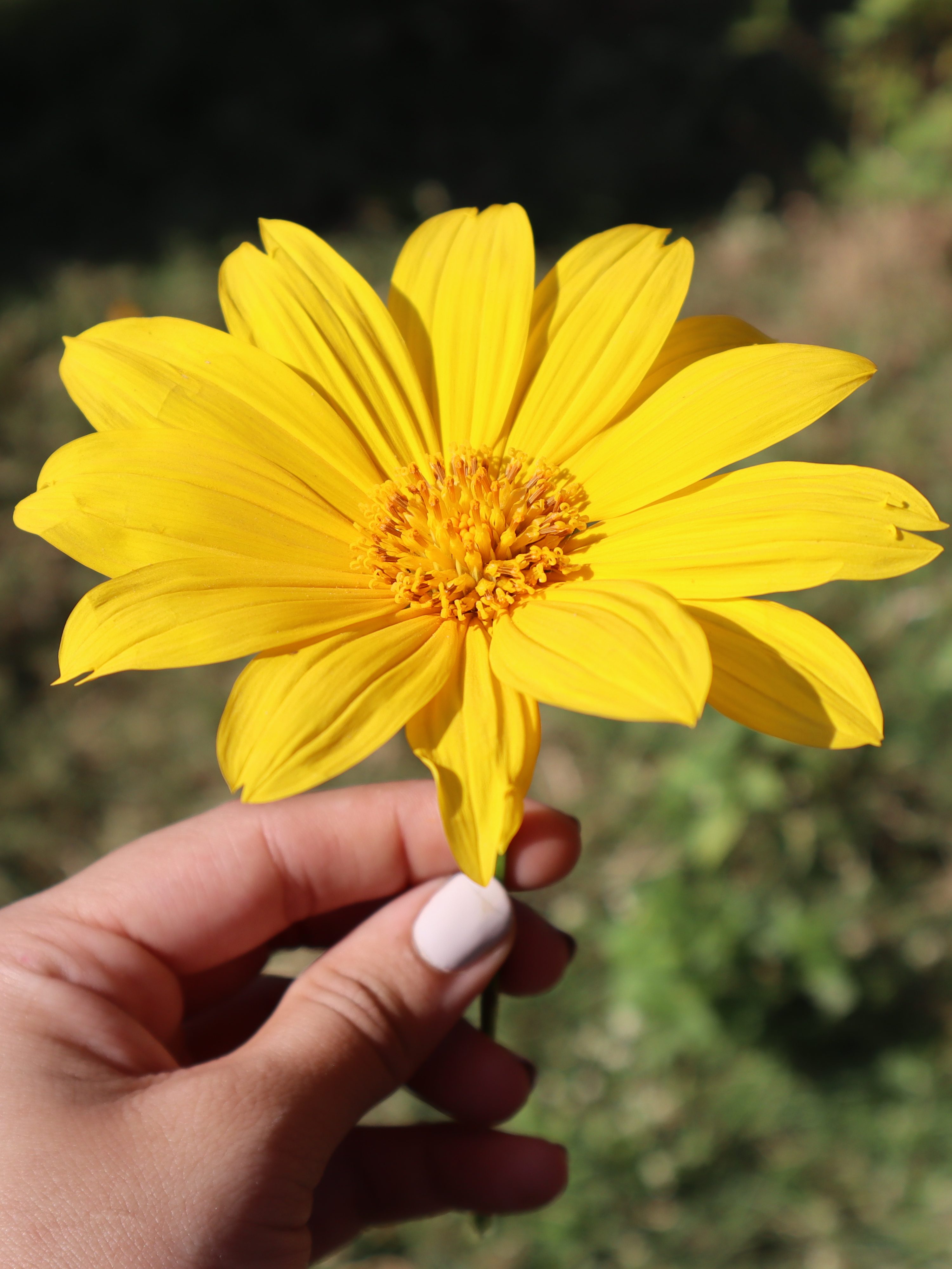
City lights dimmed to a starry sky. Concrete roads turned into dusty tracks. On the cold mornings, the sun glittered on my skin. And somewhere along the way, the bustling sounds of the city morphed into a euphoric silence, where the chirp of crickets became a symphony to my ears. For our rural immersion trip in 2024, we went to Ambapani. This trip was indeed a change in scenery but also an opportunity to bond with nature, teachers, and friends. This immersion wasn’t just a cultural exchange; it was a brutal test to challenge my strengths, weaknesses, and limits to adaptability. Through various activities such as bamboo weaving, lipan art, warli painting, trekking, and interactions with the locals, I was able to cover all components of creativity, activity, and service. Overall, this trip was an unforgettable experience that helped me work on my physical and mental health, develop skills like creativity and social skills, and take a spiritual break by bonding with nature.
LO1: Identify their own strengths and develop areas for growth
I was eager to learn as I tried every new activity despite initially being reluctant and then finding myself indulged with them as I talked to the villagers and the camp volunteers. I vividly remember being hesitant to do lipan with my bare hands, but as I got to know the purity and passion the art holds, I no longer wanted to have my gloves put on, and I embraced the cultural power and significance it holds. I still look back to the surprise joyride being an open tractor where people could barely fit. I didn’t have the most comfortable spot with the rock-hard bottom of the tractor striking my spine, yet I found the beauty of traveling in pitch-black trails, hearing the sound of trees, and gazing at the sky above me that lit bright as the stars glittered the sky. This is where I identified my own strength of pushing my limits to adaptability. The early morning wake-up calls, “once annoying alarms,” turned into a catalyst for a sunrise meditation by the water, which stretched my body and calmed my mind.
These early meditations seemed to bring me closer to myself, allowing me to connect with nature and meet myself again, though this time with a new perspective, a mindset that allowed me to overcome my fears, accept who I am, and express my gratitude for where I have reached today despite the blues and greys. While discovering my own strengths, the first few days at the campsite made me think about just stepping back from this trip and getting back to my comfort zone, where I could call anyone anytime I wanted, I could play my playlists, and just make myself feel at home again. This became a sense of realization of how reliant I was on technology, but soon the urge to hold my phone overpowered me with an unplanned change in my mindset. There was just something about this trip that made me spiritually and mentally stronger. As I returned from the trip, I found myself being less on the screens and being conscious in the moment, appreciating little things, being more observant with the surroundings, and just admiring what life has for me.
LO4 : Show Commitment and perseverance in their CAS experience
Early mornings at 6 put my city-tuned sleep plan to the test, and there were days when I got out of my comfort zone and did things I never thought I’d do, like milking cows and lipan. Initially, the unfamiliarity of it all, the physical challenges, and the discomfort of being at a new place all got to me. I flinched at every insect I saw and started missing the comfort of my room and dreading what was coming next. But as the days passed by and as I sought knowledge from the locals, a new sense of resolve bloomed, one where I fully immersed myself in the rhythm of this rural life. This thought gave me motivation as I persevered through the daily activities. This trip was a slow, messy, demanding flexibility and a willingness to shed the comfort of routine. I learned that commitment is not just about enduring but about embracing the unexpected and finding grace in the discomfort.
LO6: Demonstrate engagement with issues of global significance
The rural immersion experience was an eye-opener, providing insight into the daily lives of villagers and tribal communities, along with the challenges they face, many of which hold global significance. Issues such as limited transportation, requiring long walks just to access food markets, and inadequate healthcare systems highlighted the disparities in resource availability. At the same time, the visit emphasized the importance of sustainability and cultural preservation. The people of Ambapani live in harmony with nature, using locally sourced materials like bamboo for construction, crafts, and daily needs. Their zero-waste lifestyle and sustainable practices were a stark contrast to urban living, which often promotes unnecessary consumption.
Participating in the plastic collection activity further underscored the urgency of responsible waste management, as we saw firsthand how plastic waste affects rural environments. Witnessing this reinforced the need for global sustainable practices. Additionally, learning about milk production—how it is stored and tested, offered a valuable insight into the origins of an everyday resource. The experience as a whole was not only educational but also a reminder of the balance between modern challenges and traditional sustainable living.
LO7 : Recognise and consider the ethics of choices and actions
Visiting a rural village wasn’t just about sightseeing; it came with a sense of respect and responsibility. As city dwellers, we arrived with curiosity, with cameras in our hands, questions in our mind, but we had to be mindful that the villagers weren’t just people to observe; they had their own lives, histories, and challenges. The most essential thing was to be open minded. Life here moved at a different pace, the language was unfamiliar, and the customs were new to us, but instead of judging, we embraced the experience by listening carefully, asking respectful questions, and treating every interaction as a chance to learn.Another key lesson was to be mindful of how we spoke about their way of life. This wasn’t a place to show off what we had or to make jokes at their expense. Mocking the villagers or their children was not only rude but completely inappropriate. Our purpose there was to learn and understand, not to pity or compare.
Leaving this place was difficult, even if it meant escaping the early morning wake-up calls. Activities I once considered “challenging,” like putting my hands in cow dung and applying it on the wall, milking cows, and trekking rutted down dusty paths, now hold the bittersweet memory of a breathtaking trip. Overall, the rural immersion trip to Ambapani was an eye-opener into the livelihood of villages and what their daily life looks like; it was a reality check of the villages. I witnessed a constant fight against drought and poverty and the quiet struggles that etched themselves onto the faces of those I met. It was a stark reminder of the privileges I often overlook, a lesson wrapped in the simple act of sharing a cup of chai / coffee with my friends on a swing. Life in the village was a delicate balance of hardship and resilience, a reality that left a lasting impact on me.