The trip to Mokhamal, Dang in the countryside was a journey that helped me understand the way of life in tribal communities, their culture, and how they live sustainably while also doing some trekking and helping out. During six days, I walked through woods and mountains, explored nearby villages, schools, government offices, and local groups, and took part in Warli art and the dances of the tribe. Every day had its own set of challenges and teachings, turning this journey into a meaningful and changing CAS experience.
Day 1
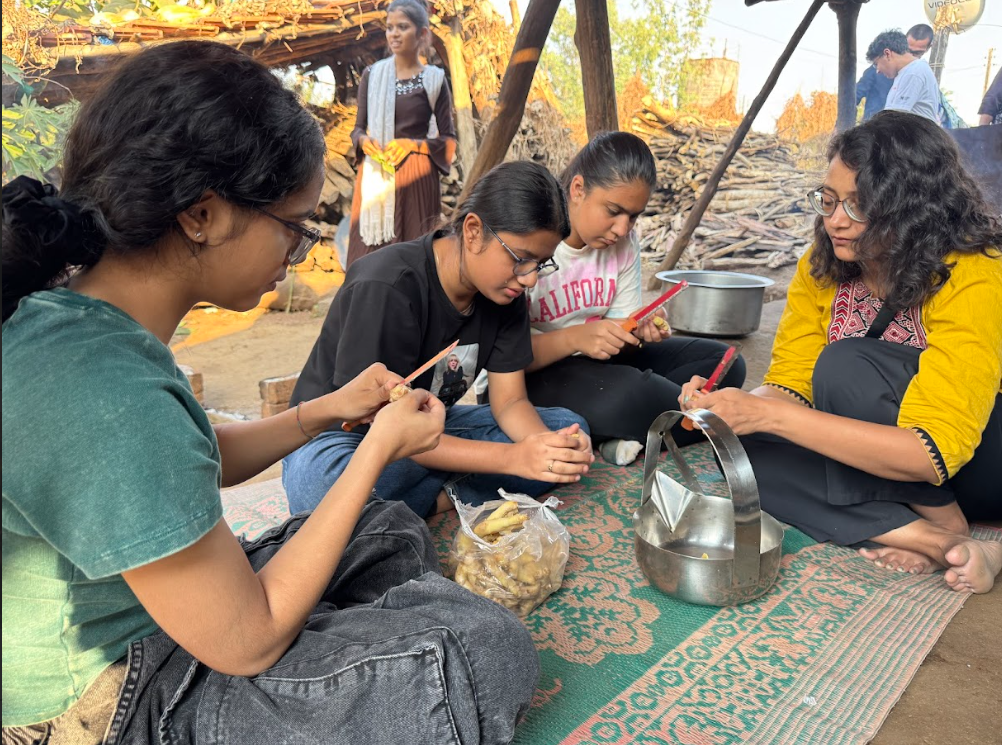
On the initial day, we went to the home of a nearby villager and experienced directly their way of living, preparing food, and constructing their dwellings. The most interesting part was discovering that their homes are built using cow dung, which aids in maintaining a cool inside—an excellent illustration of eco-friendly building. This trip enhanced my understanding of rural artistry, independence, and the uncomplicated lifestyle present in the village.
LOI 6 – I discovered ways to live in an eco-friendly manner, particularly how using materials from nature can help our planet
Day 2
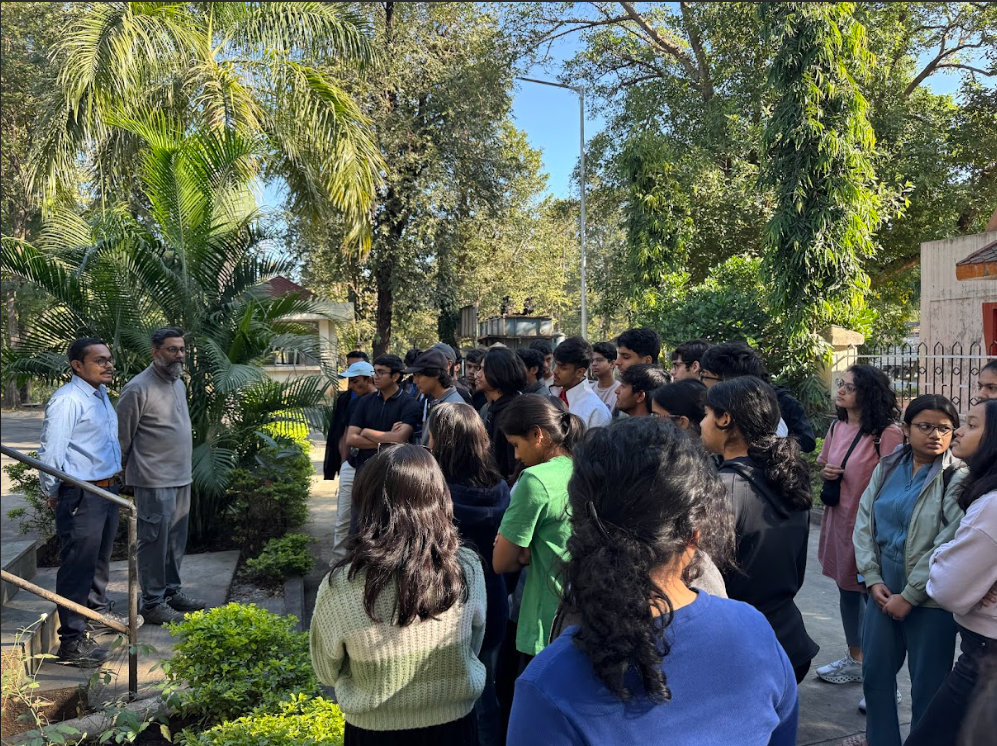
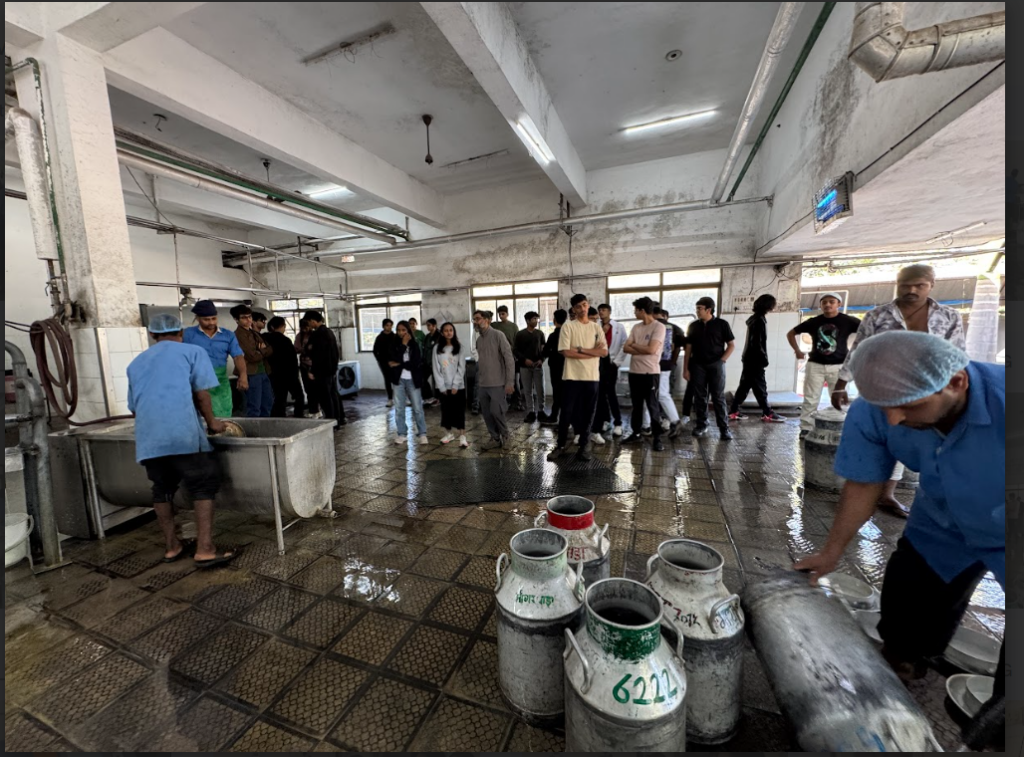
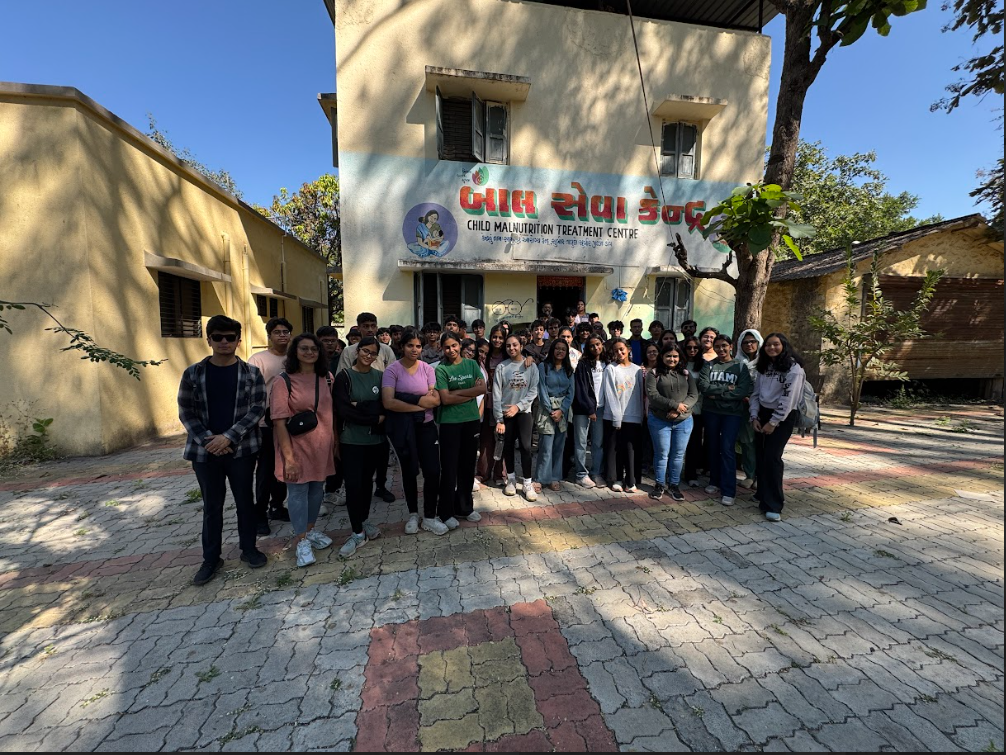
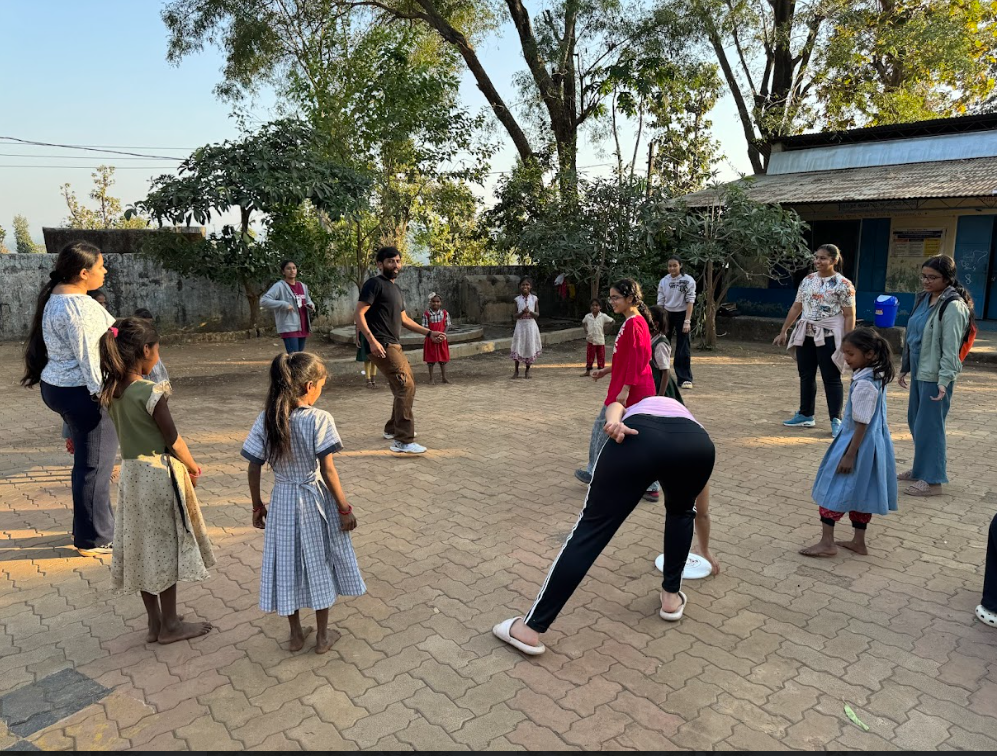
We went to a nearby school, where we talked to kids, played some games, and gave donations. It was motivating to see their excitement for education even though they had few resources. After that, we went to the Taluka Panchayat to learn about how local government works. Then, we stopped by a women’s cooperative society to see how these groups help women gain financial independence. We also checked out a Milk Mandli and a milk cooling facility, discovering how the dairy supply process works and the role of local farmers in it.
LOI 5 – Demonstrate the skills and recognize the benefits of working collaboratively
Working with students, community members, and local leaders made me realize how teamwork can improve a neighborhood.
LOI 7 – Recognize and consider the ethics of choices and actions
Grasping the ways cooperatives and governance systems operate led me to think about economic sustainability and equitable trade in countryside regions.
Day 3
Going to the local bazaar was a thrilling experience where I purchased fresh food and watched the distinct way trade is done there. Afterward, we prepared meals for kids staying in a hostel, which was a rewarding and humbling experience. It helped me understand how vital it is to share and contribute to the community.
LOI 4 – Show commitment and perseverance in CAS experiences
Preparing meals in a countryside environment with few supplies was difficult, yet collaborating turned the experience into something fulfilling.
Day 4
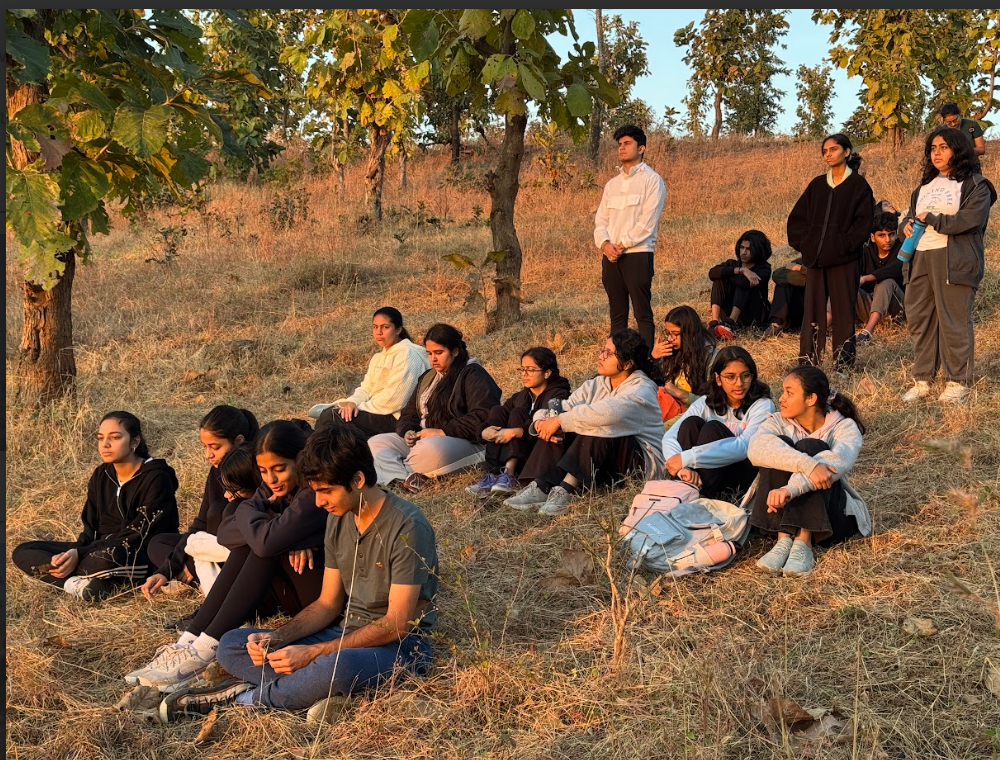
On the fourth day, we took a walk in the woods, where we discovered the plants and animals native to the area. Sadly, while on this walk, I tripped, which added to the memory of the day. Even though it was tough, the hike was valuable, as we learned about healing plants and the variety of life in the area.
LOI 2 – Demonstrate that challenges have been undertaken, developing new skills in the process
Tripping while hiking was tough, but it didn’t prevent me from finishing. This situation showed me how to be strong and the value of getting through hard times.
Day 5
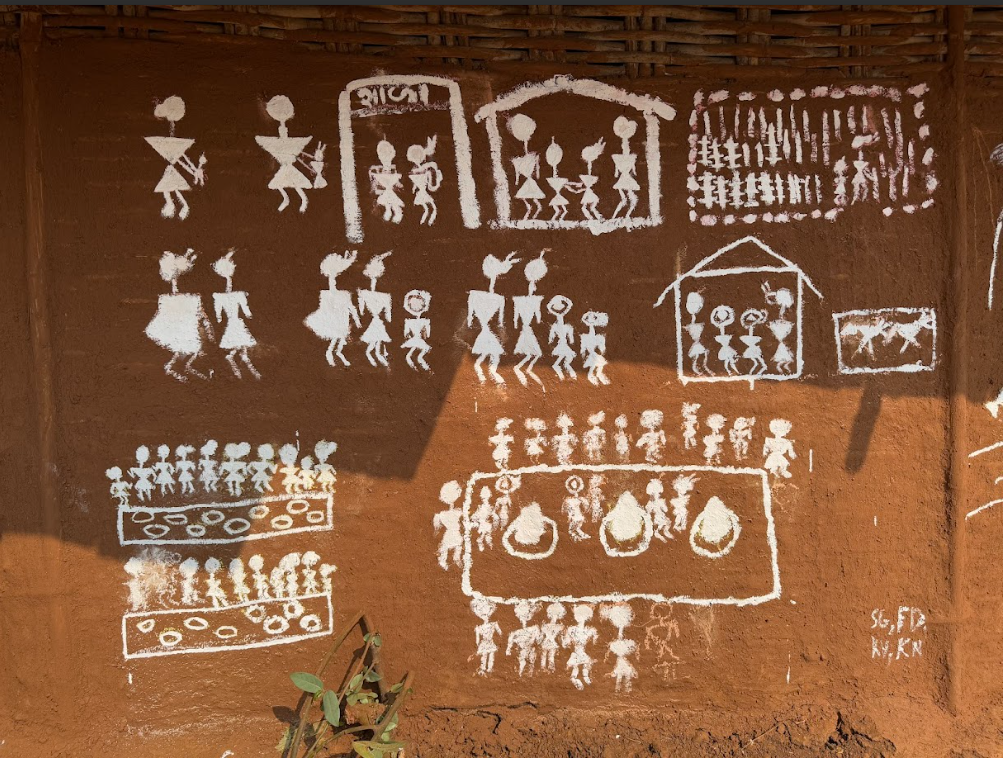
We went back to a school to give them some supplies and enjoyed time with the students. Later in the evening, we took part in Warli art by painting traditional tribal designs on the homes of villagers. Discovering this native style of art and helping to make the village more beautiful was really meaningful.
LOI 3 – Demonstrate how to initiate and plan a CAS experience
Creating Warli art needed thoughtful preparation and collaboration to make sure that the patterns were carried out properly and honored cultural customs.
LOI 6 – Demonstrate engagement with issues of global significance
Through my involvement in Warli painting, I contributed to the protection and encouragement of traditional art styles, which are essential to India’s cultural history.
Day 6
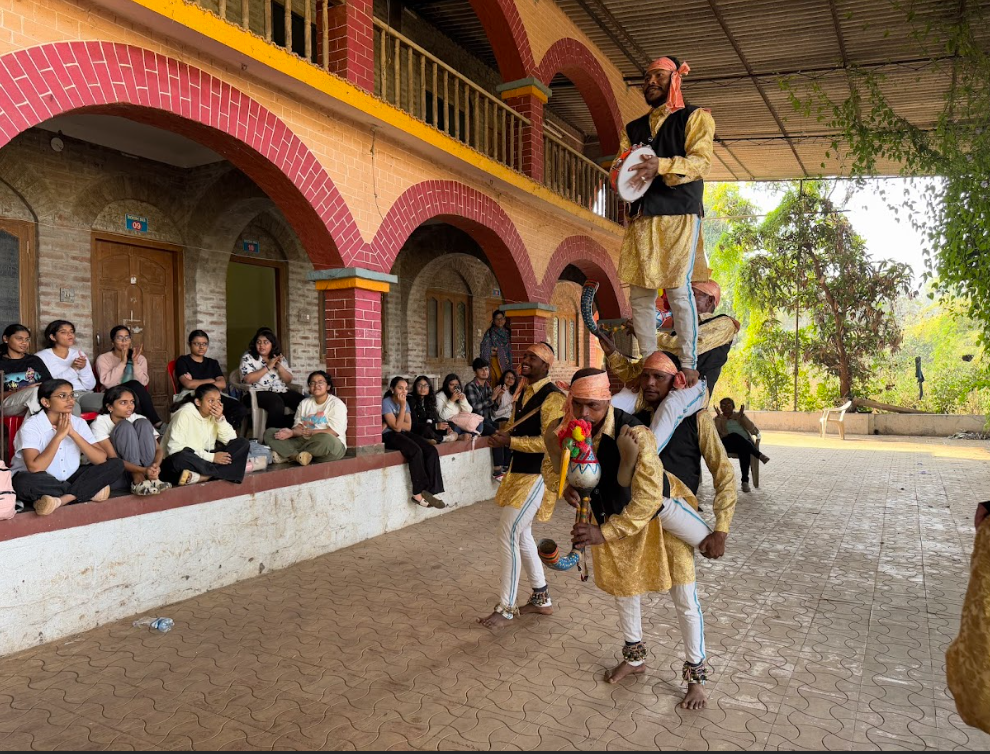
The last day was dedicated to finishing Warli artwork and watching an enchanting tribal dance show. The lively energy, beat, and cultural depth of the dance provided an ideal end to this engaging experience.
LO1 – Identify own strengths and develop areas for growth
During the journey, I enhanced my stamina for walking long distances, my skills in talking to people such as villagers and students, and my creativity in making Warli art.
LOI 4 – Show commitment and perseverance in CAS experiences
Completing the Warli painting took a lot of attention and commitment, and I was happy with how it turned out.
The Mokhamal, Dang Rural Immersion Trip changed my perspective by introducing me to tribal customs, eco-friendly practices, local governance, and helping communities. It tested me in various ways: physically through hikes, mentally by learning about rural economies, and emotionally by connecting with children in need. I gained a stronger respect for living simply, traditional ways, and working together as a community.
This journey emphasized that even small efforts—like painting a home, giving away supplies, or just having a meal together—can greatly affect someone’s life. I returned from Mokhamal equipped with new abilities, lasting memories, and a deeper sense of duty to others, making this one of the most significant CAS experiences I have ever had.