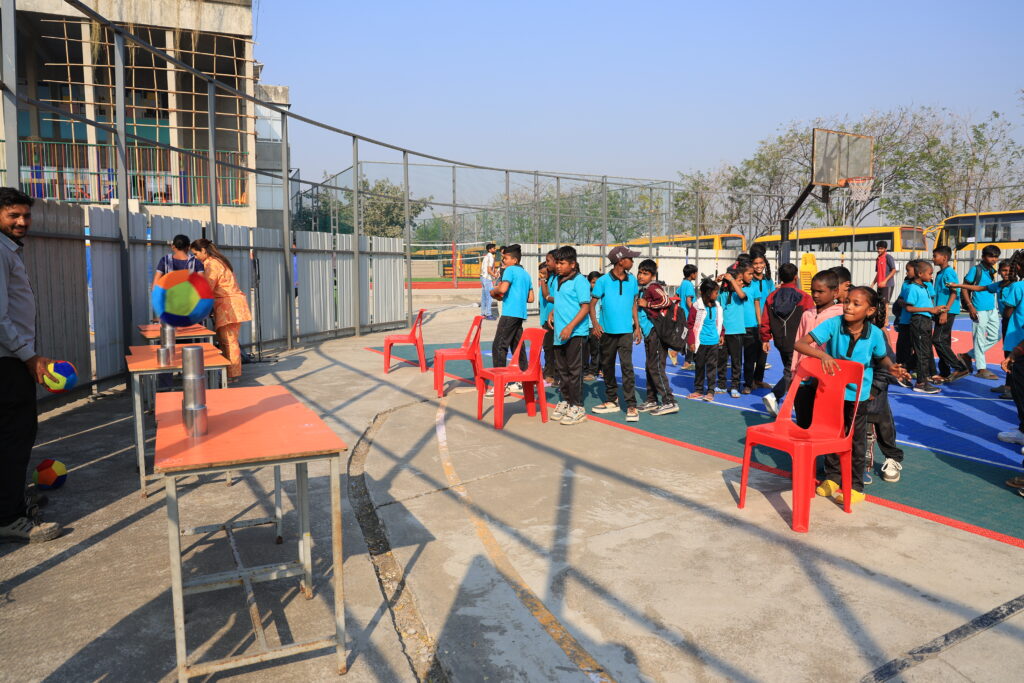
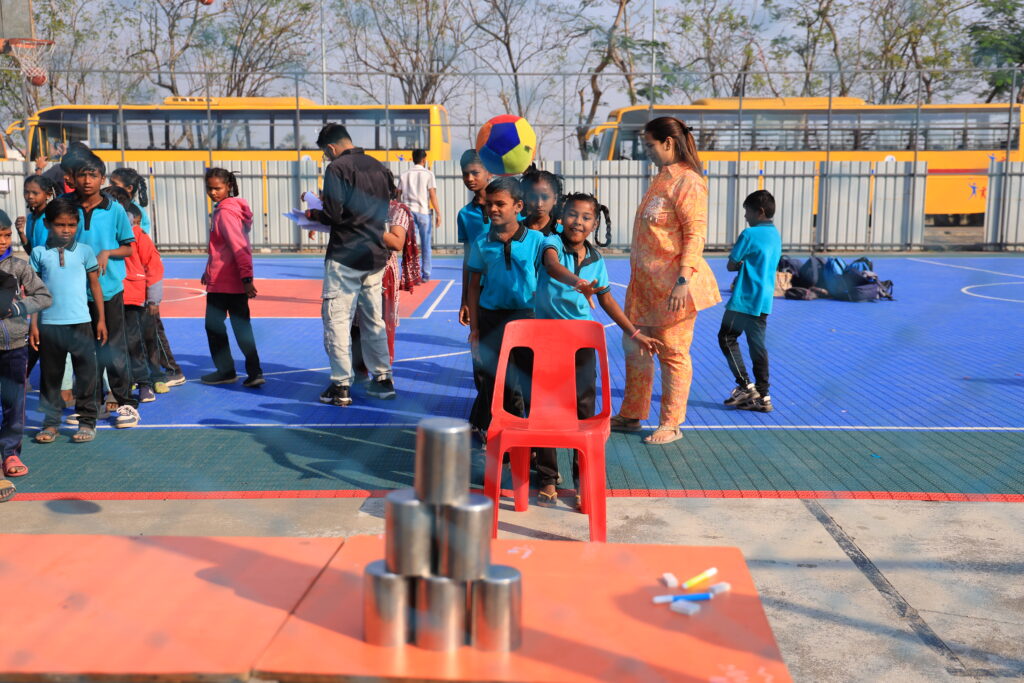
One of the activities in my IB CAS experience involved an interesting and challenging task where I had to throw a sponge ball at a tower of glasses and topple it over. The activity challenged my accuracy, coordination, and determination and provided me with the opportunity to learn new skills and work together with others.
At first, the task was easy, but when I tried to throw the target with precision, I found it needed a lot of concentration and control. I needed to study the angles carefully, modify my throwing style, and practice my aim to enhance my rate of success. With repeated efforts, I learned to adjust and improve hand-eye coordination.
LO2 – Demonstrate that challenges have been undertaken, developing new skills
One of the most difficult things for me was attaining accuracy and consistency. Initially, my throws were either too weak to topple the glasses or too hard, and the ball would miss the target. I had to modify my style, try different strengths of throwing, and work out a method of hitting the pyramid successfully. This took perseverance and patience, and eventually, I got much better.
Through this process, I developed my motor skills, concentration, and problem-solving skills. I also learned better how force, angles, and accuracy are important in succeeding in such activities.
LO5 – Demonstrate skills and benefits of working collaboratively
While this was a personal task, working together with my classmates made the exercise even more enriching. We supported each other, exchanged suggestions on how to increase accuracy, and encouraged each other to persist despite failures. Learning from others improved my technique, and reciprocally, I imparted my own observations to my colleagues.
The encouragement and mutual passion provided a good and fun atmosphere where we all learned from one another. This experience taught us the value of teamwork, even in activities that appear to be individual-oriented.
LO6 – Engagement with issues of global significance
As I was engaged in this activity, I pondered the connection between such basic games as the sponge ball pyramid challenge and the wider global problems, including recreational activity access, education, and the health of communities. Numerous disadvantaged communities across the globe have no access to sport and recreation, which is critical for the physical and psychological development of a person. Working on this challenge brought back memories of the necessity of inclusive and accessible play for every individual, regardless of origin.
Moreover, this exercise emphasized the need for sustainability in sports and games. Most games, such as this one, can be prepared using recycled and environmentally friendly resources, and such practices foster eco-friendliness. Learning the way small activities relate to the bigger issues on a global level has motivated me to pay closer attention to how sports and recreation affect society.
Final Reflection
This exercise was not merely a recreational challenge—it was a practice in patience, skill-building, cooperation, and international understanding. It illustrated the point that repetition, flexibility, and being open to learning from others can improve any task. Further, it made me think about how accessibility and sustainability are important features of recreational activities, making me more aware of how such activities should be accessible and environmentally sound.\