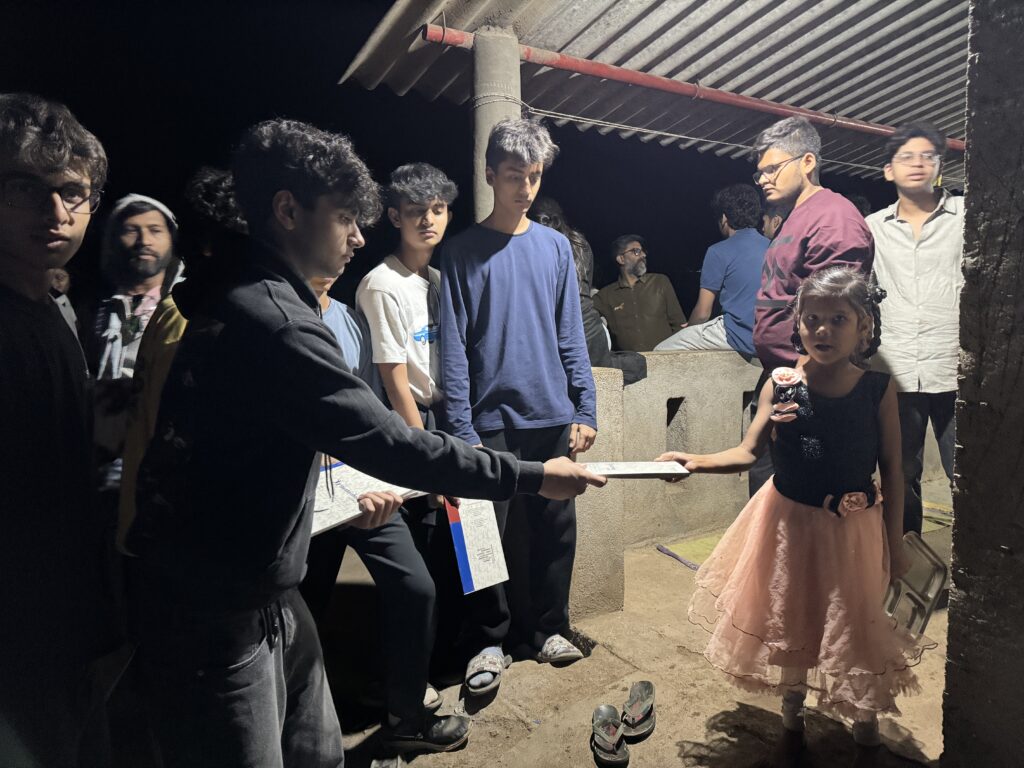
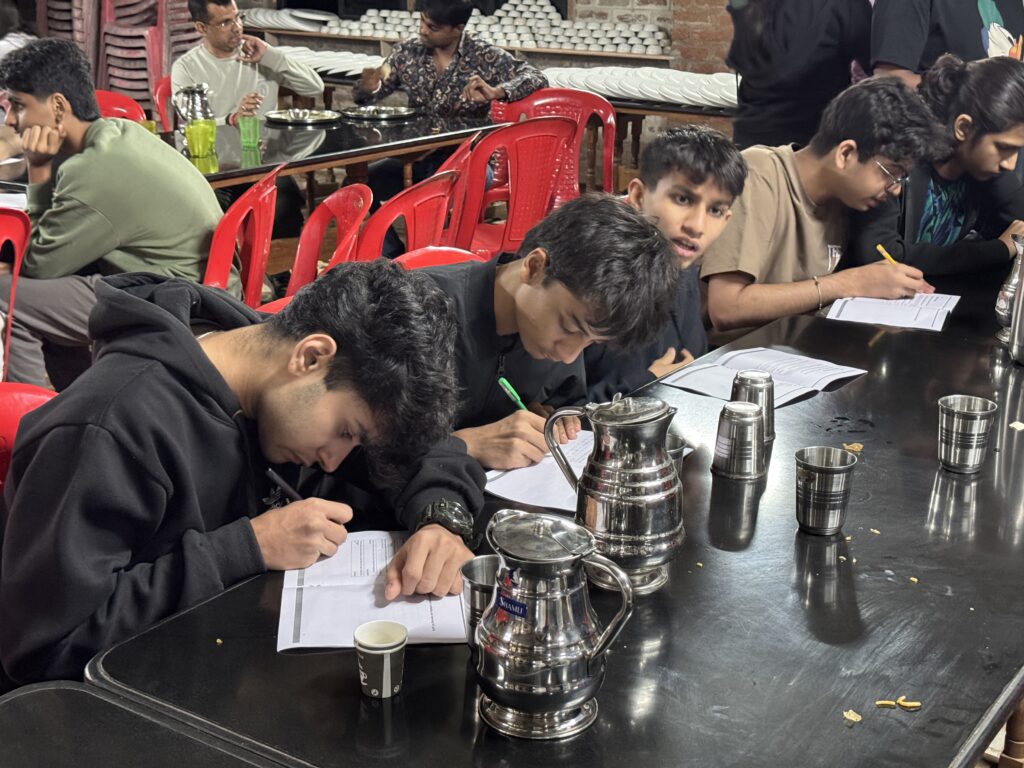
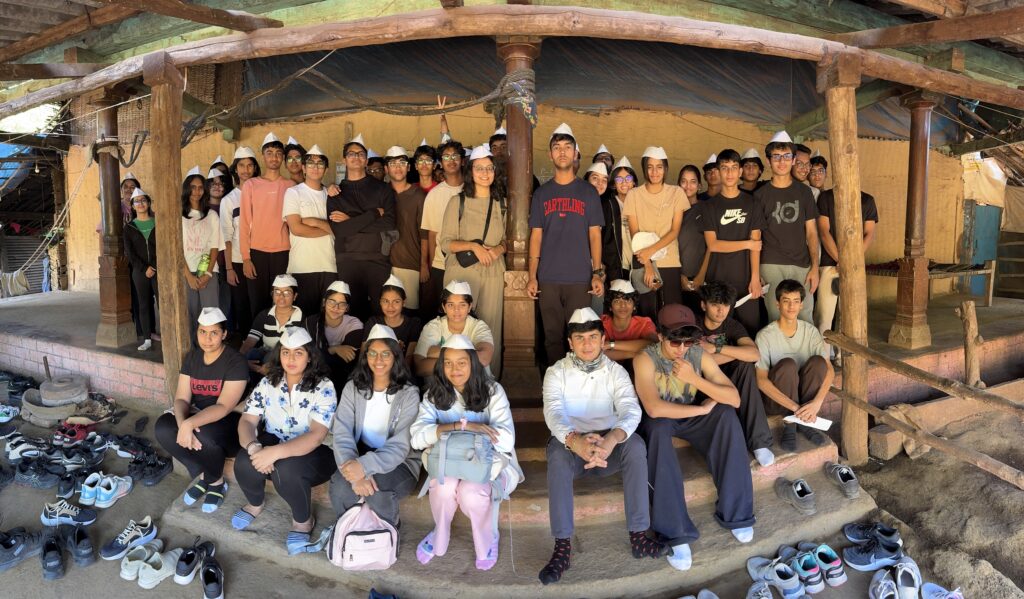
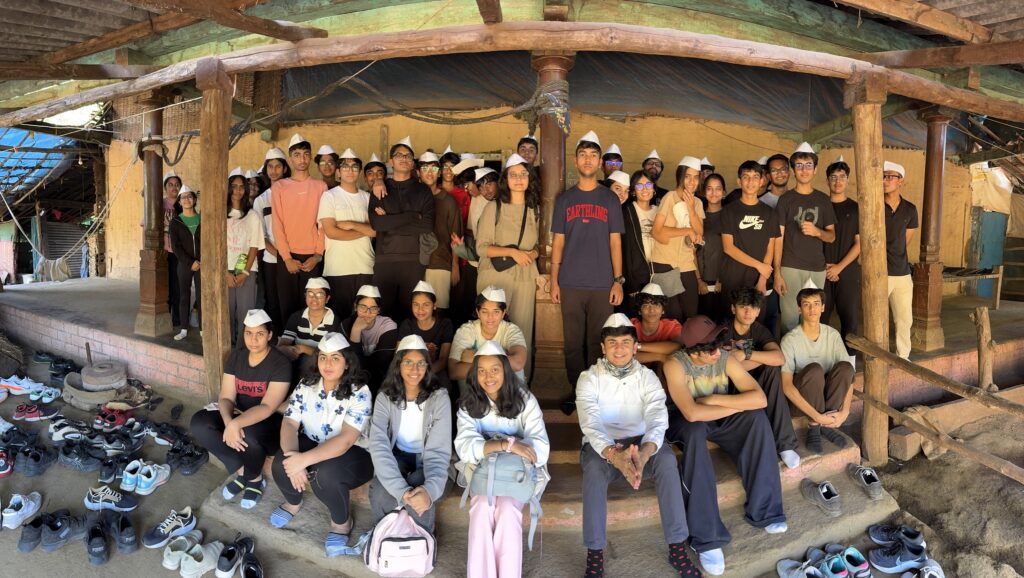
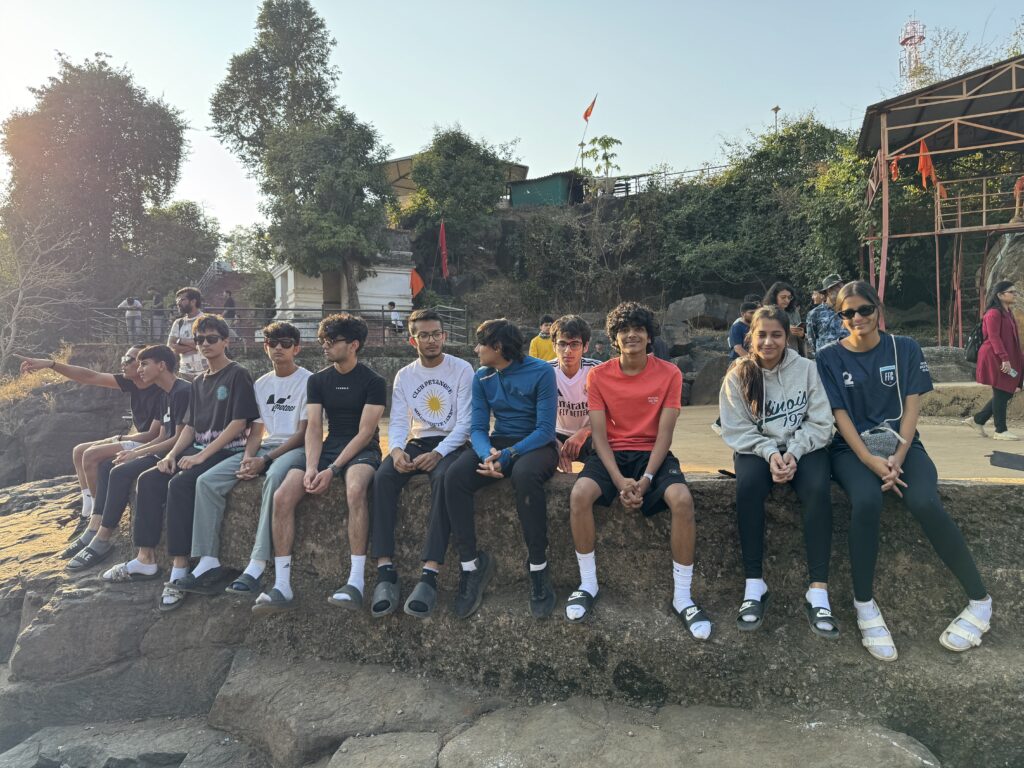
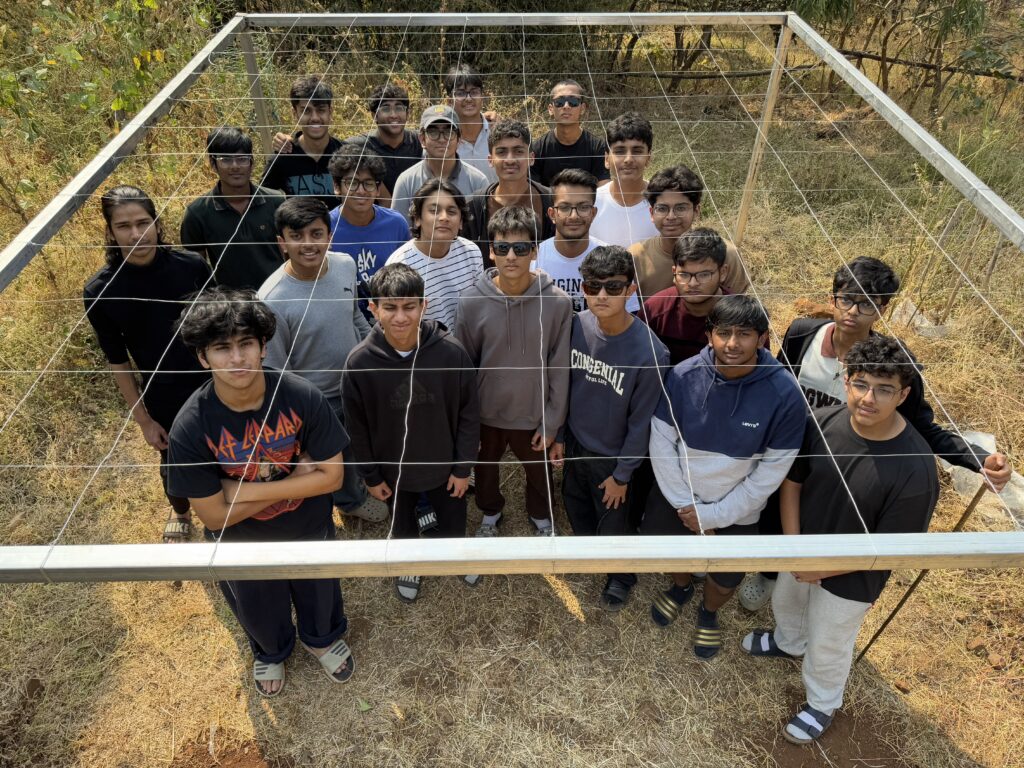
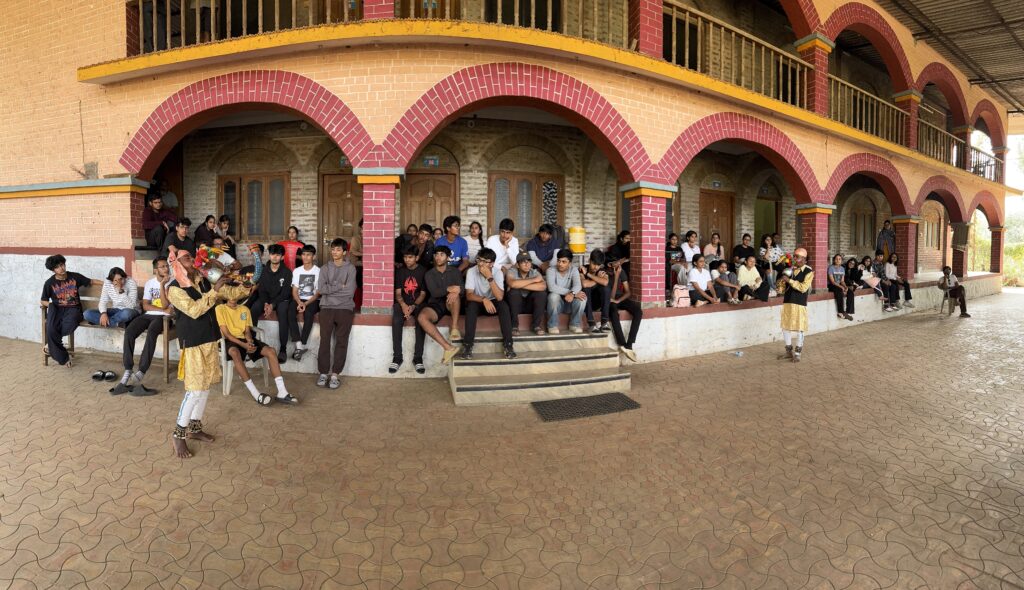
My rural immersion trip to Mokhamal, Dang, was an eye-opening experience that gave me a glimpse into the lives of tribal communities. Over six days, we interacted with local individuals, visited schools and hospitals, and learned about their economy and culture. This trip helped me understand rural life in a practical way by doing activities such as assisting in daily chores and trekking through forests. This trip pushed me out of my comfort zone and gave me valuable insights about the challenges faced by these communities and how they survive with limited resources.
LO1 – Identify own strengths and develop areas for growth
During this trip, I recognized my ability to adapt to a new environment and communicate with people from different backgrounds. However, I realised I could also improve my patience, especially in unfamiliar situations, such as long hours of trekking listening to the local stories of the tribes.
LO2 – Demonstrate that challenges have been undertaken, developing new skills
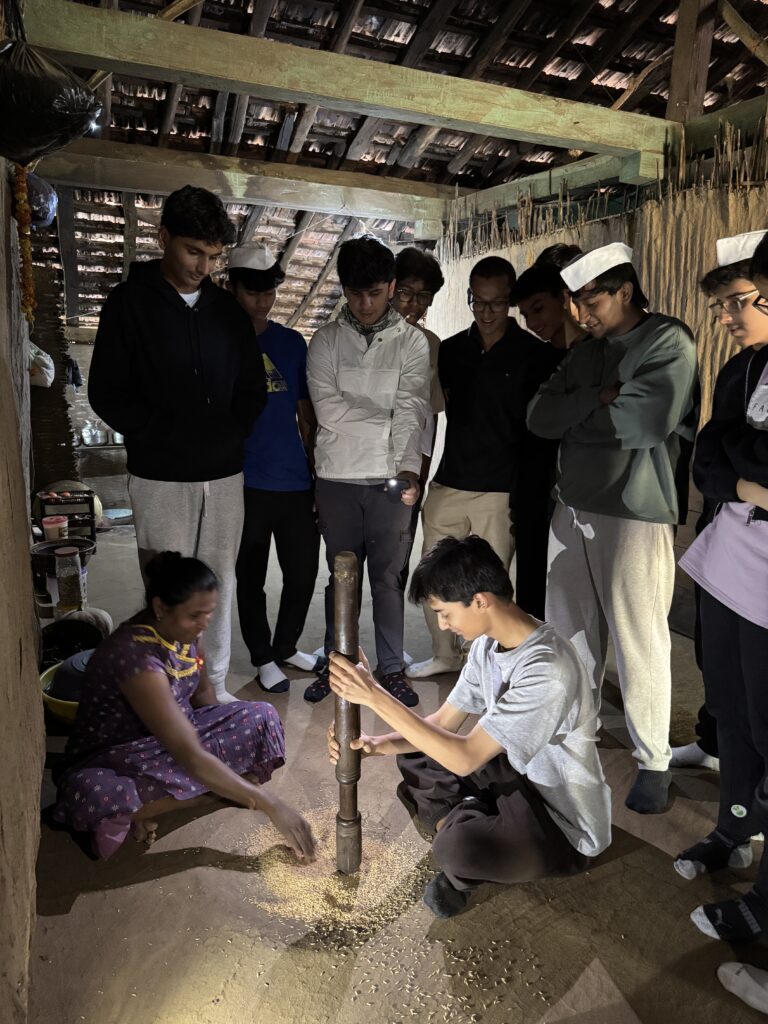
One of the biggest challenges was stepping into an unfamiliar lifestyle with limited resources. I had to learn new skills quickly in tasks like cooking and doing tribal chores such as rice weaving. Doing activities such as welding and Warli art pushed me to embrace creativity in a new form.
LO3 – Initiate and plan a CAS experience
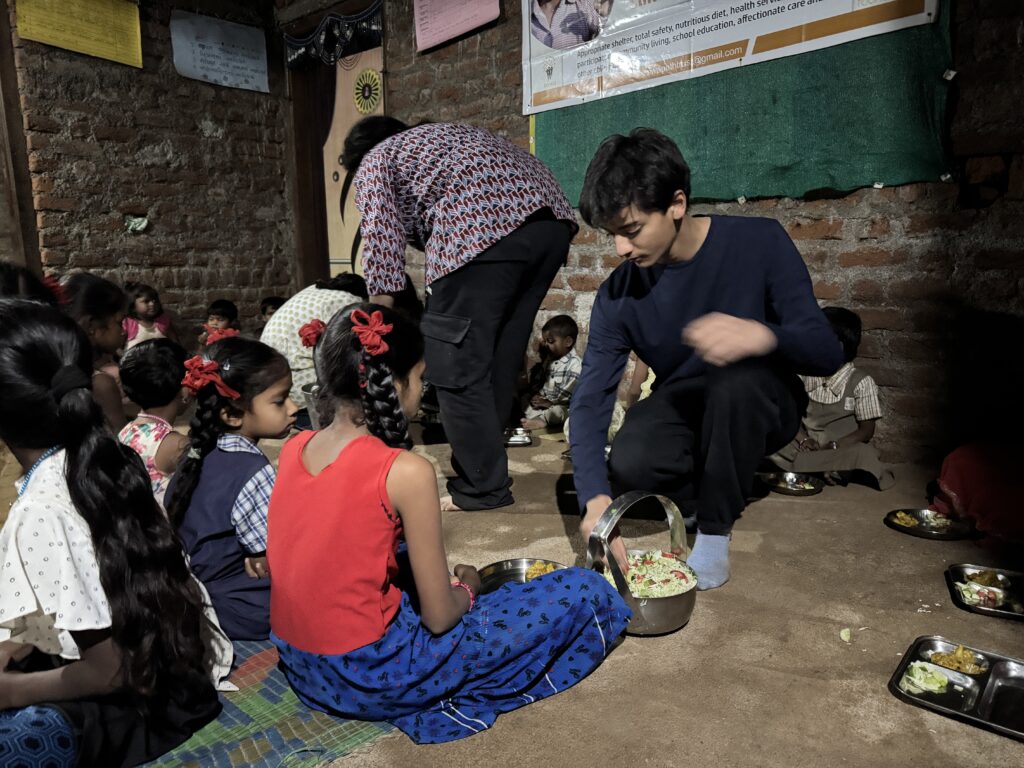
Although the school had planned the activities, I had to take initiative in actively engaging with them. I interacted with the local children in the school, helped with cooking and serving meals, and helped with making the kitchen garden trellis (by welding). I made sure that I meaningfully participated in all these activities. This trip showed me the importance of taking ownership of my role, even when working with a structured plan.
LO4 – Show perseverance and commitment in CAS experience
Adapting to the rural setting was not always easy, especially given the lack of modern conveniences. However, staying committed to all activities. I also took everything positively and ensured to enjoy all the good moments to the fullest – such as the bonfire, music, sunrise trek, beautiful scenery, and the peaceful sunset in the temple.
LO5 – Demonstrate skills and benefits of working collaboratively
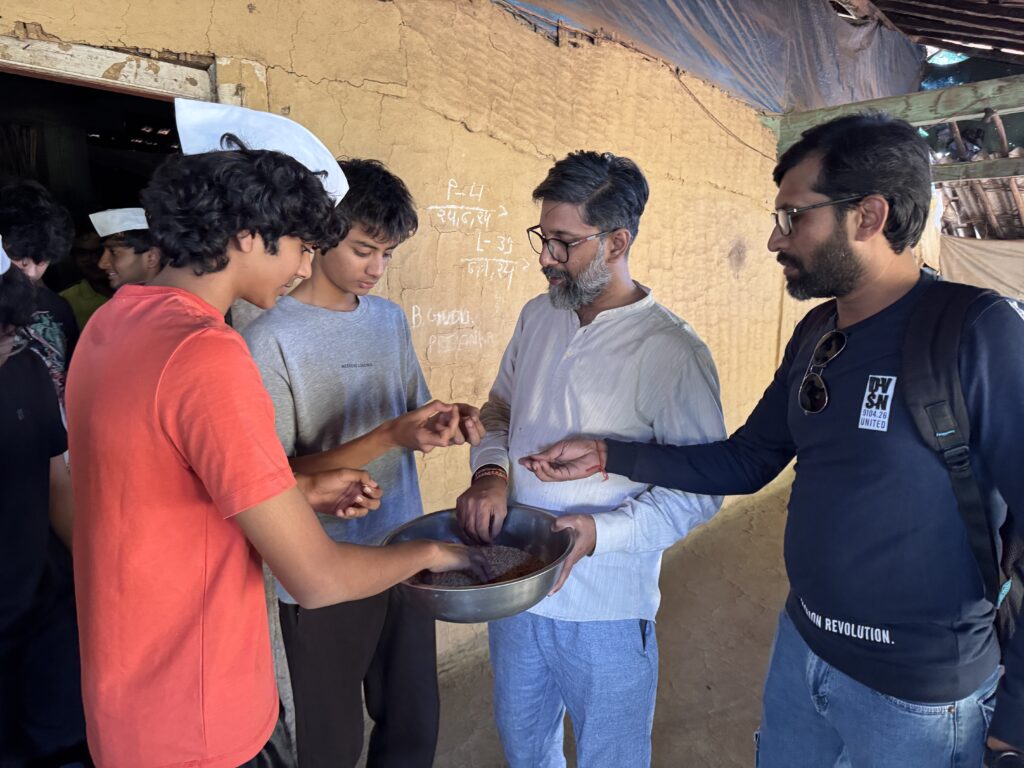
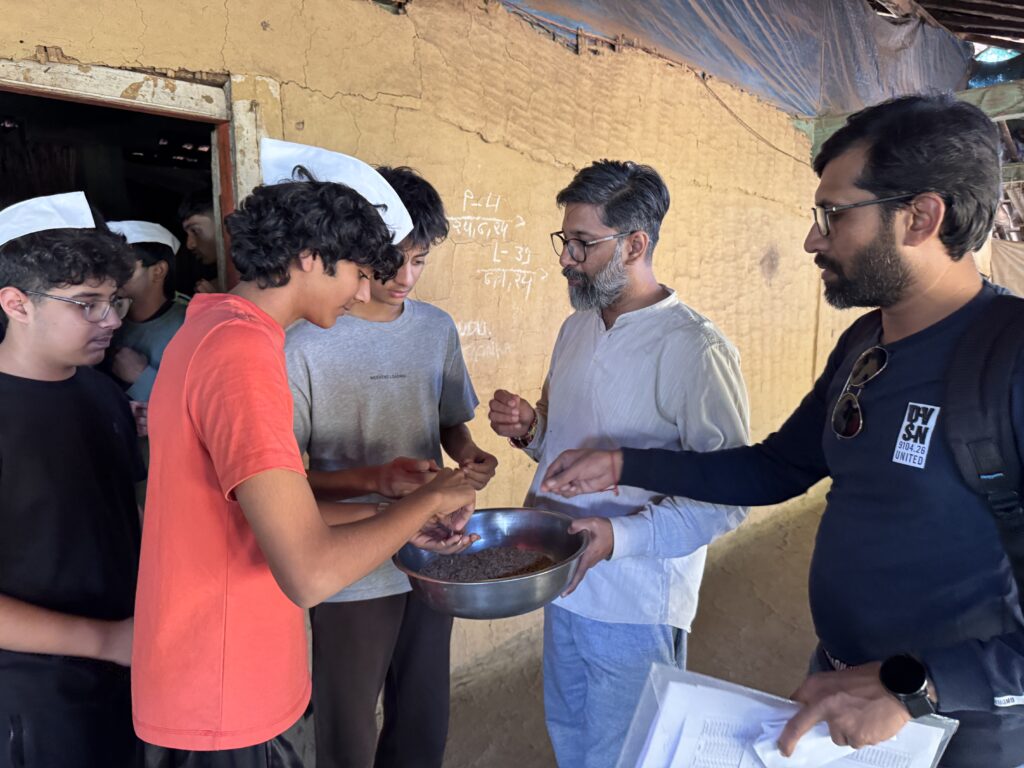
Throughout the trip, teamwork was essential. I had to work in a team while setting up the trellis and while interacting with the school students. Also, while buying ingredients for the meals, I had to effectively navigate the tribal market with my team whilst also negotiating prices. Me and my team had to ensure that we purchase all ingredients that were listed in the appropriate quantities and that the quality was good as well. Team collaboration not only made our tasks easier but also helped me improve my social skills.
LO6 – Engagement with issues of global significance
This trip addressed various issues of global significance. Firstly, we visited the village school and understood the types of issues that children over there face. They have very limited resources and the overall attendance is very low as well. Pursuing higher education is a challenge for those students. We went to a microfinance bank and visited tribal homes which illustrated the huge gap between the rural and urban areas. This was an issue of economic empowerment. We discussed about the digital divide between the urban and rural and also debated about the quota system in Indian universities (which is a highly debateable topic). We discussed about sustainable livelihoods and how the tribes manage to survive with such limited resources in a sustainable and eco-friendly manner. We saw the impact of government programs like mid-day meals and how effective they were in addressing inequalities.
LO7 – Recognize and consider the ethics of choices and actions
Interacting with the tribal community made me more aware of the ethical responsibility we have towards marginalized groups. It made me value the resources I currently have and made me mindful of not wasting them. Also, the learning about deforestation during the trek made me realise the need to make environmentally conscious choices.