Description of Experience and Goals:
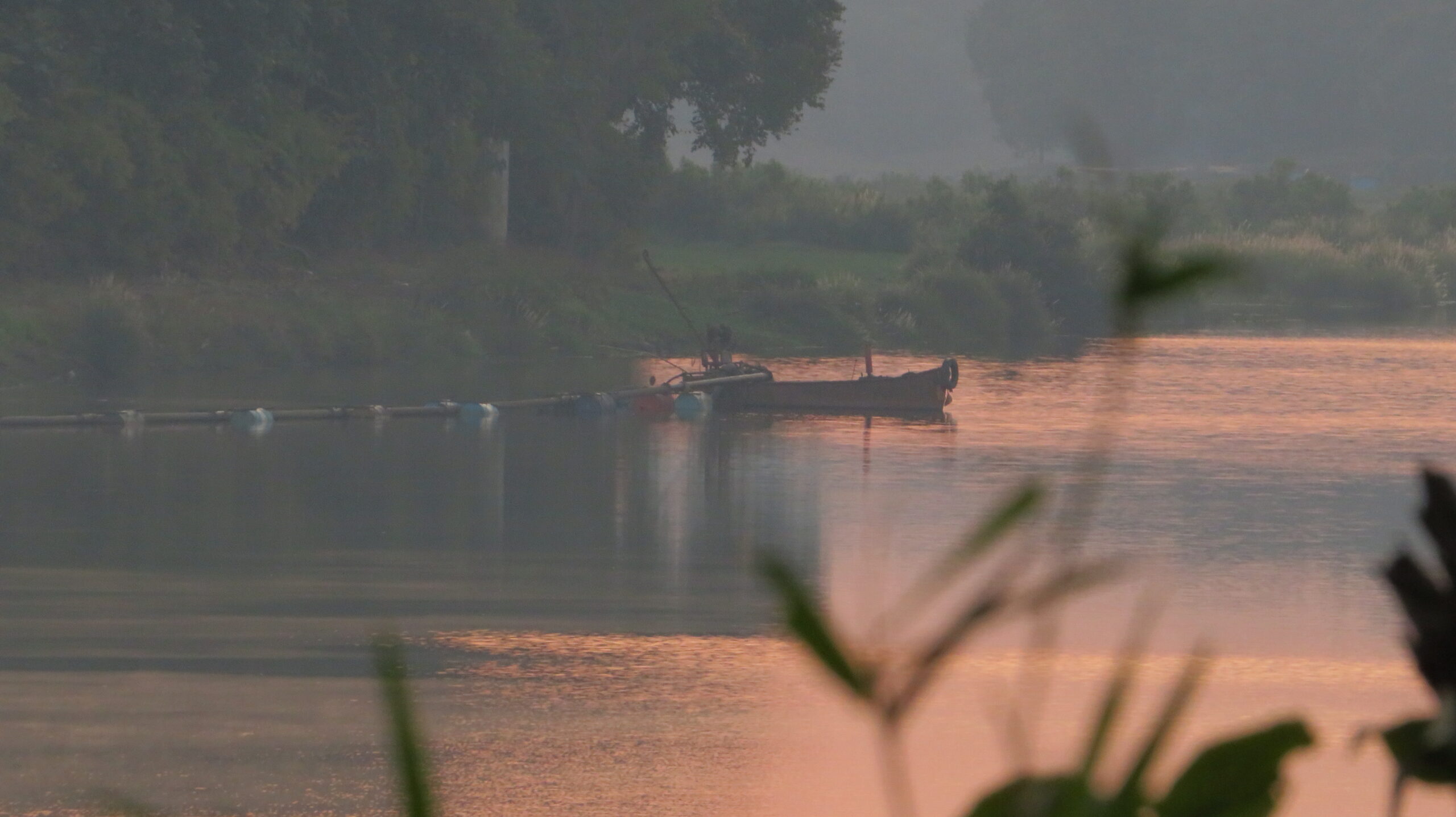
My rural immersion program in Ambapani was a multifaceted CAS experience where I covered all the components of Service, Activity, and Creativity. The purpose was to gain insight into rural life, learn traditional art forms, engage in adventure activities, and interact with the community to understand their challenges and cultural practices.
A list of activities I got to experience there included:
- Bamboo weaving
- Lippan art
- Warli painting
- Rifle shooting
- Adventure activities
- Village interaction
- Dangi traditional dance
- Baaj making
- Tractor ride
- Haat bazaar shopping
- Trekking
- Cow milking (milk center visit)
- Ashram visit and service for students
- Cleanup drive
- Warm up activities
- River bath
Learning Outcomes Achieved:
LO1: This experience allowed me to recognize my ability to effectively communicate and collaborate with different people. However, I also realized that I need to work on adapting quickly to unfamiliar environments and leading initiatives more confidently. Navigating through new experiences, such as interacting with local authorities and trying traditional crafts, provided insight into my personal strengths and areas for development.
LO2: The immersion introduced me to physically and mentally challenging tasks, such as trekking in an unfamiliar terrain, engaging in rifle shooting, and learning intricate art forms like Warli painting and bamboo weaving. Each of these required patience, focus, and adaptability, pushing me to develop resilience and new skills while embracing discomfort as a learning opportunity.
LO4: Commitment was evident through my sustained efforts in all activities, especially during physically and mentally demanding tasks such as the cleanup drive and ashram service. These activities required teamwork, discipline, and a strong sense of responsibility, reinforcing my dedication to making a meaningful impact in the community.
LO5: Many aspects of the immersion required collaboration, whether it was working together to create traditional crafts, strategizing for adventure activities, or participating in group discussions with villagers and authorities. These interactions taught me the importance of teamwork, mutual support, and leveraging diverse perspectives to achieve a common goal.
LO6: The program highlighted pressing issues such as rural education, environmental sustainability, and cultural preservation. Observing the local way of life, understanding their economic challenges, and learning about conservation efforts in the Dang region encouraged me to think critically about sustainable solutions and how similar challenges exist on a global scale.
LO7: Throughout the experience, I had to reflect on my ethical responsibilities, ensuring that my interactions with the community were respectful and meaningful. Understanding the villagers’ way of life helped me become more conscious of ethical decision-making, such as being mindful of how I engaged with their customs and traditions and ensuring that my actions contributed positively rather than imposing external perspectives.


Learner Profile Attributes Developed
Communicator – I demonstrated the learner profile Communicator by engaging and interacting with the village residents, village sarpanch, Dang Environment Department authority. I need to communicate effectively and clearly, especially with the village residents as they speaked a different primary language.
Knowledgeable – I demonstrated the learner profile Knowledgable by learning the traditional skills like bamboo weaving, lippan art, warli painting and baaj making. These traditional skills made me appreciate the culture and traditional art mor ehwile also learning about the history. We also learnt several other life skills such as mountaineering and the equipment used for it.
Risk-taker – I demonstrated the learner profile Risktaker by trying new experiences such as rifle shooting, trekking, and adventure activities which pushed me beyond my comfort zone, fostering resilience and adaptability.
Caring – I demonstrated the learner Profile Caring by participating in an ashram visit, student service, and a cleanup drive which showed my commitment to community well-being and environmental responsibility. During the ashram visit, I made sure to involve all the students in the activities and make sure that they were thoroughly enjoying. During the cleanup drive, along with other students, picked up trash all along the shore and near the jungle area.
Balanced – I demonstrated the learner profile Balanced by engaging in both physical (trekking, river bath, tractor ride) and creative (art, dance) activities which helped me maintain a balance between physical endurance, cultural learning, and reflection.
Reflective – I demonstrated the learner profile Reflective by observing rural life, understanding its challenges, and participating in meaningful activities like the haat bazaar shopping and cow milking visit which allowed me to reflect on sustainable living and social responsibility.


Key Skills
- Teamwork – Collaborating with peers during activities like the cleanup drive, warm-up exercises, and service at the ashram fostered cooperation and collective problem-solving.
- Communication – Engaging in discussions with villagers, the sarpanch, and environmental authorities helped me practice active listening and clear expression of ideas.
- Problem-Solving – Navigating challenges during adventure activities, trekking, and traditional crafts required adaptability and quick thinking.
- Cultural Awareness – Learning Warli painting, Lippan art, and Dangi dance deepened my understanding of local traditions and customs.
- Leadership – Taking initiative in organizing activities and interacting with the community enhanced my ability to guide and motivate others.
These skills not only enriched my experience but also strengthened my ability to engage with diverse communities and real-world challenges.
Final Takeaway:
The Ambapani rural immersion was a transformative experience that broadened my perspective on social responsibility, cultural appreciation, and community engagement. It helped me develop essential skills like communication, teamwork, and problem-solving while encouraging me to consider ethical implications and sustainable development. This experience has inspired me to apply these skills in future CAS activities and beyond, striving to make a positive impact wherever possible.