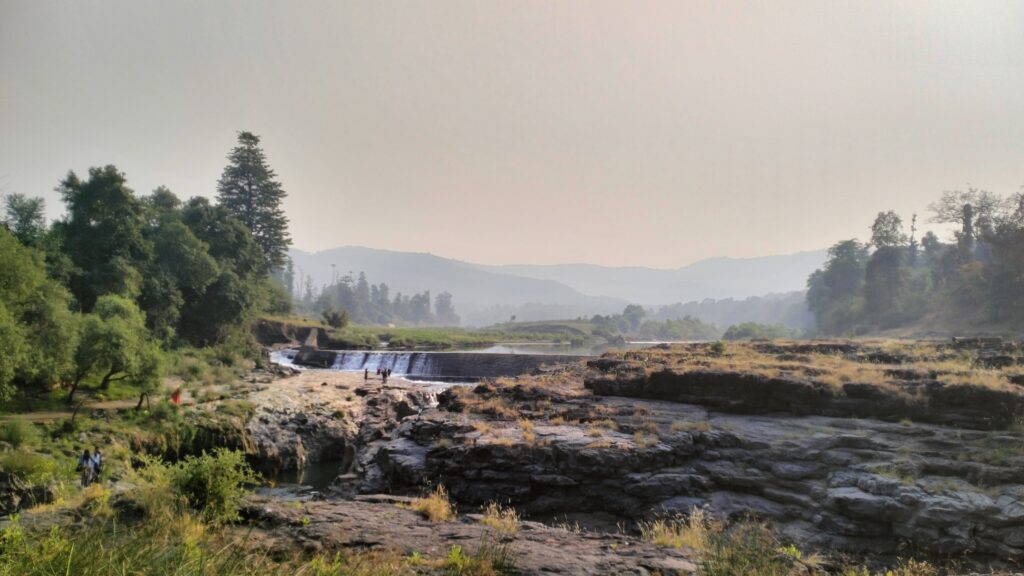
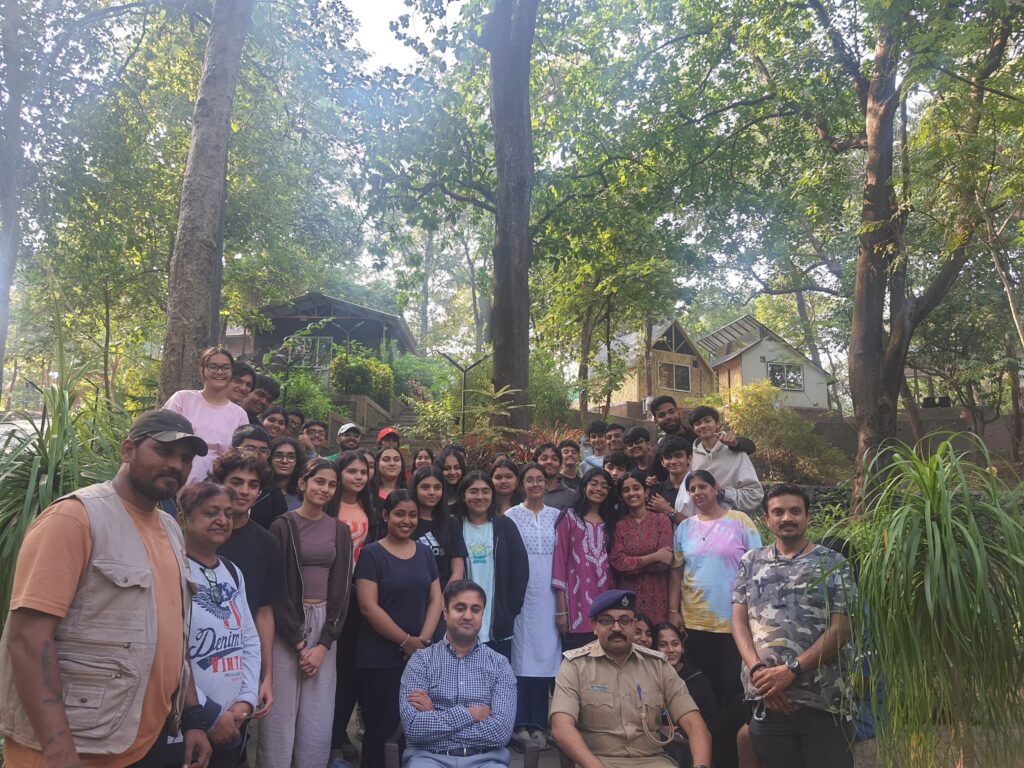
Participating in the Rural Immersion program at Ambapani was an enriching experience that allowed me to step away from my daily routine and immerse myself in a completely different way of life. From exploring local traditions to overcoming physical challenges, this journey deepened my understanding of community living, sustainability, and cultural heritage. Through hands-on activities and meaningful interactions, I gained new skills, perspectives, and a greater appreciation for rural life.
oppo_0 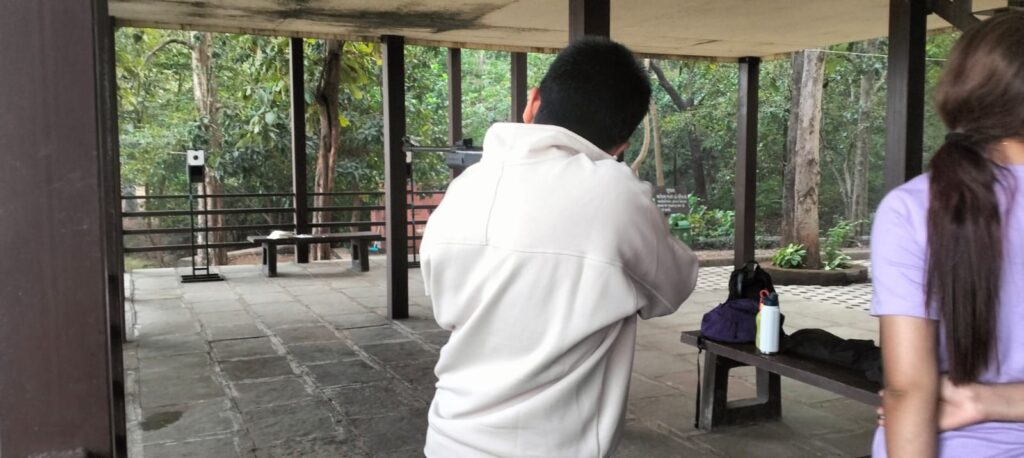
oppo_34 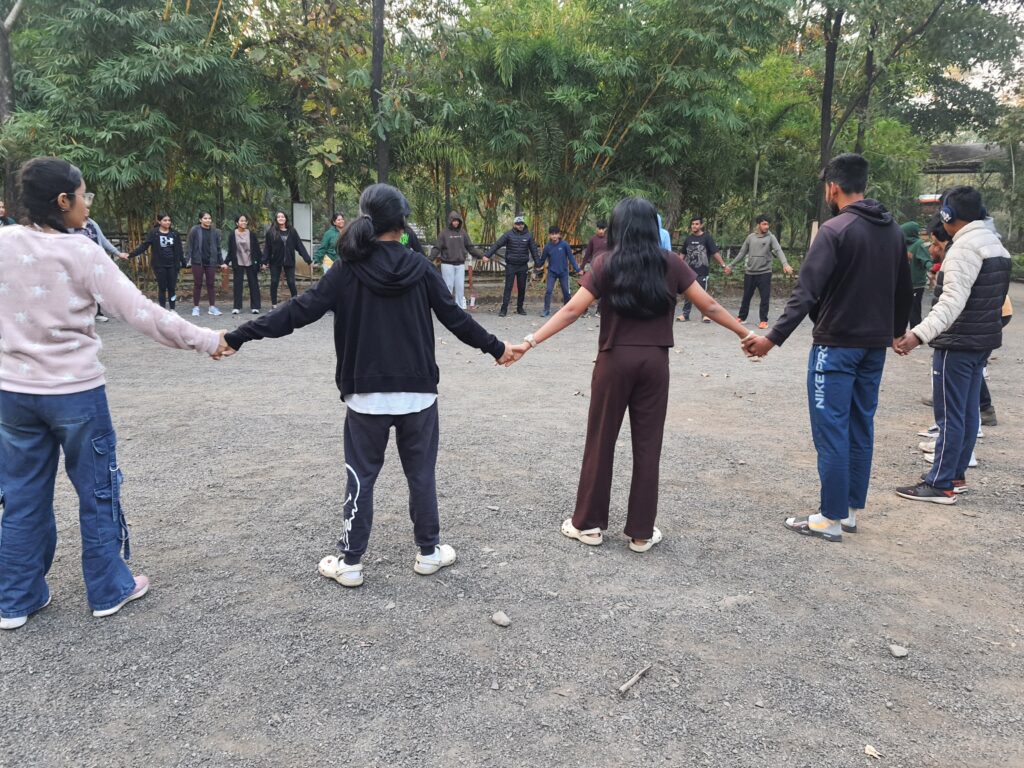
filter: 0; fileterIntensity: 0.0; filterMask: 0; captureOrientation: 0; brp_mask:0; brp_del_th:null; brp_del_sen:null; delta:null; module: photo;hw-remosaic: false;touch: (-1.0, -1.0);sceneMode: 128;cct_value: 0;AI_Scene: (-1, -1);aec_lux: 0.0;aec_lux_index: 0;albedo: ;confidence: ;motionLevel: -1;weatherinfo: null;temperature: 44; 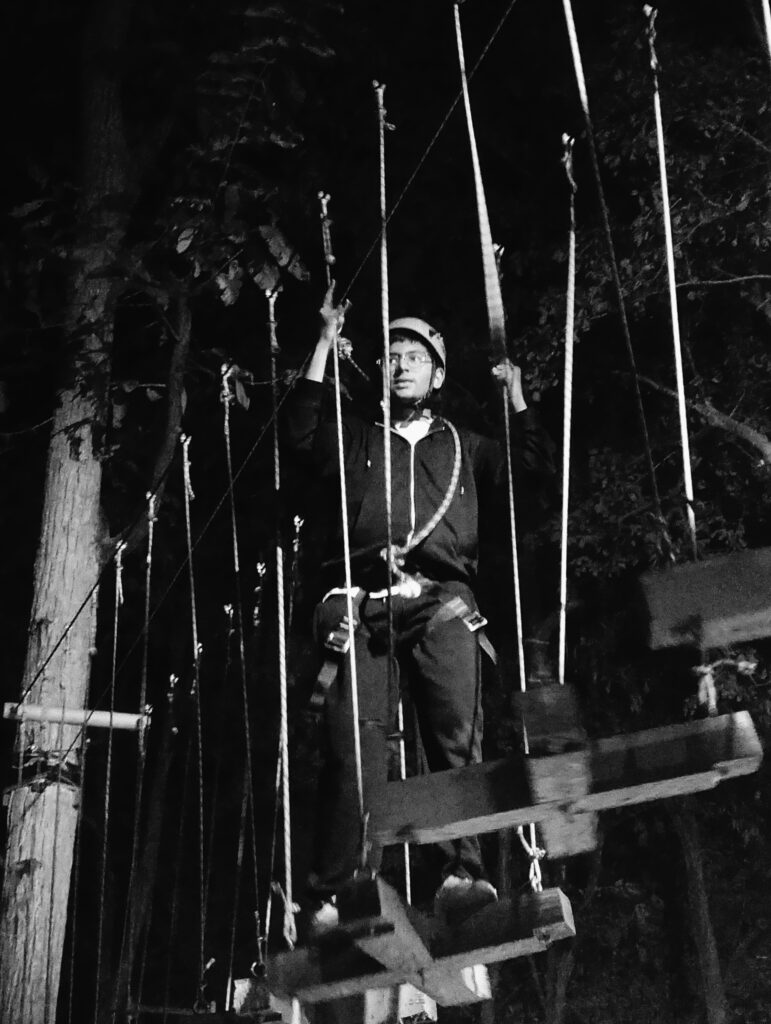
oppo_9248
LO1: Identify Own Strengths and Develop Areas for Growth
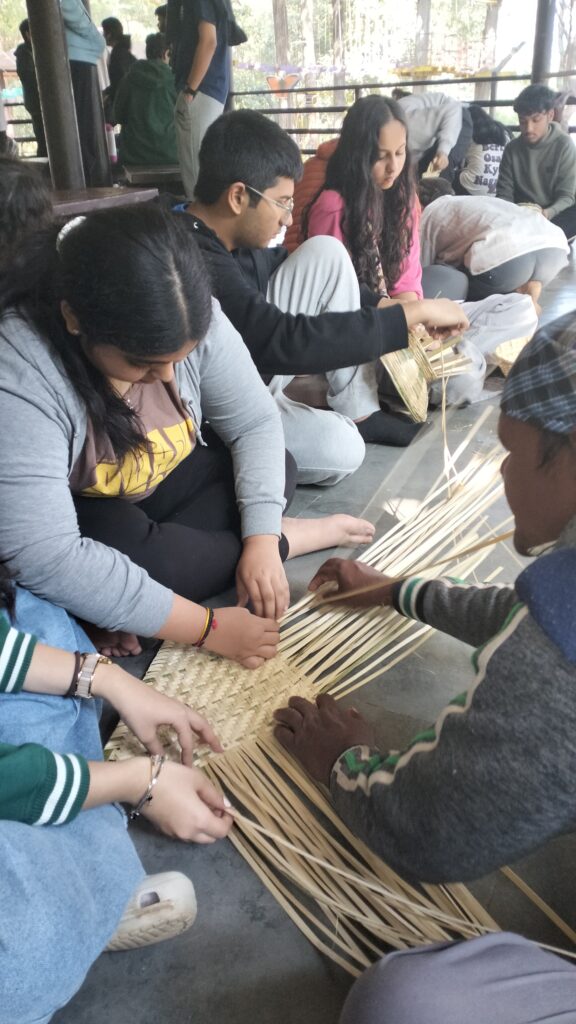
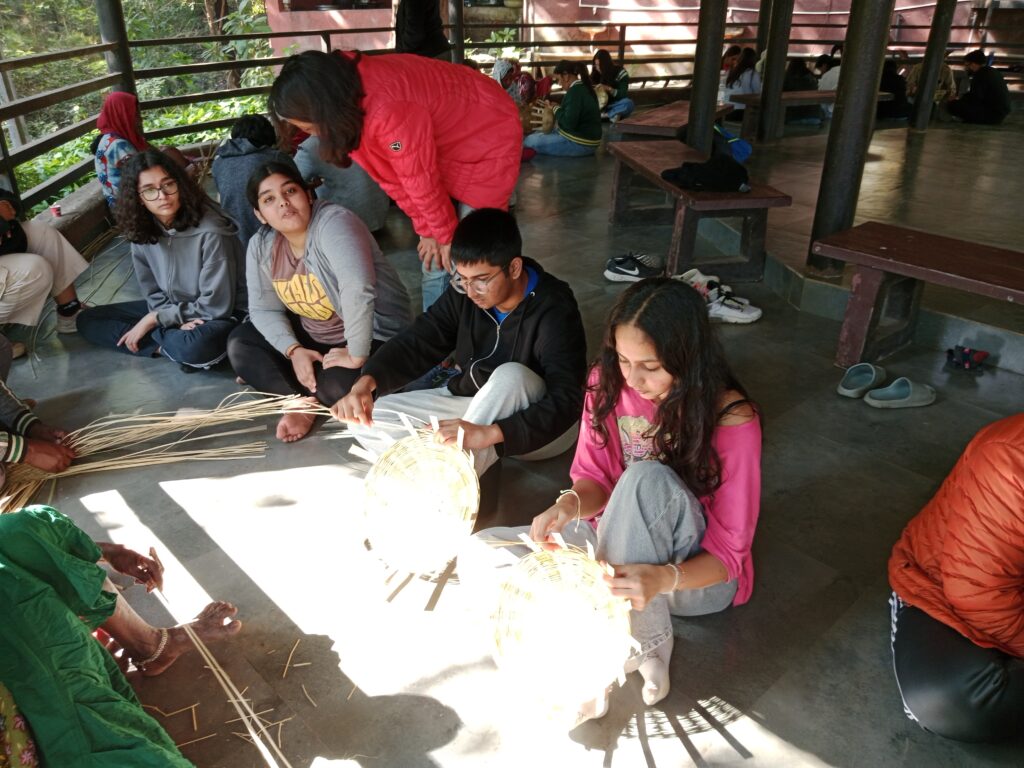
During the immersion, I had the opportunity to engage in various hands-on activities, including Mud Lippan Art, basket weaving with bamboo, and interacting with local tribes. I discovered that I was able to adapt quickly to new environments and pick up new skills with patience and practice. Working with natural materials, such as mud and bamboo, required creativity and precision, and I realized that I enjoyed learning through experiential, hands-on methods.
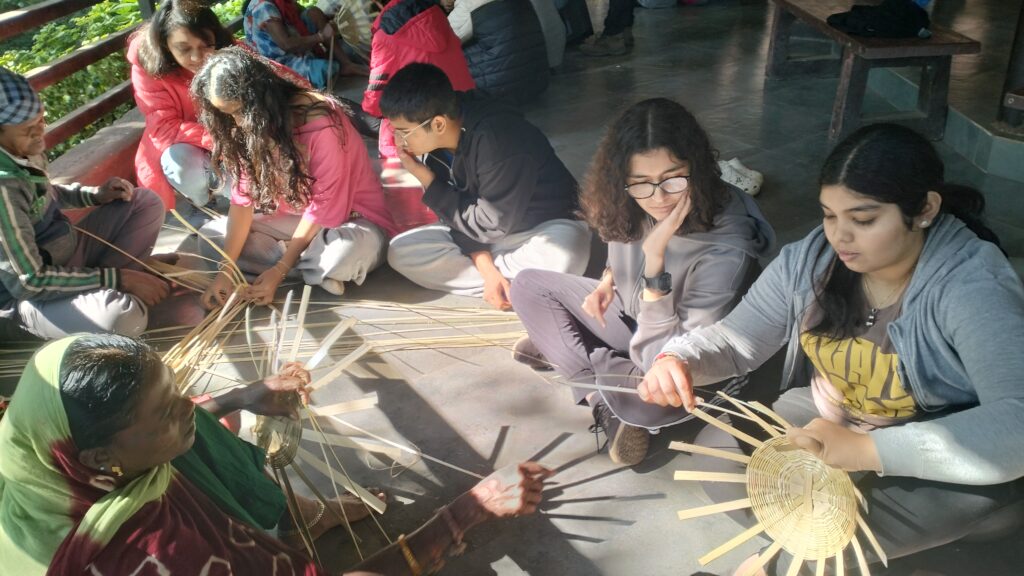
Image of Basket Making
At the same time, I recognized areas where I could improve. The physical challenges of the trip, such as the air walk course, nature walk and ziplining, pushed me beyond my comfort zone. Initially, I was hesitant, but by the end, I had built confidence and learned to trust my abilities. This experience boosted my resilience and willingness to embrace challenges.
LO2: Demonstrate That Challenges Have Been Undertaken, Developing New Skills in the Process
The immersion trip presented several challenges that required problem-solving, patience, and adaptability. One of the most physically demanding activities was the nature walk and river bathing, both of which tested my balance, endurance, and ability to stay calm under pressure. Completing these activities helped me develop greater confidence and perseverance.
Another challenge was working with unfamiliar materials, such as clay for Mud Lippan Art and bamboo for basket weaving. Both required careful craftsmanship and attention to detail. Initially, making the mud and weaving the bamboo felt difficult, but through practice and guidance from the locals and our teachers, I gradually improved. This experience taught me the value of patience and learning through trial and error.
LO4: Show Commitment to and Perseverance in CAS Experiences
Throughout the trip, I remained committed to engaging fully in every activity, even when tasks seemed difficult or unfamiliar. Whether it was waking up early for the nature walk, interacting with local tribes, or dedicating time to Mud Lippan and painting it with Worli Art, I pushed myself to stay present and make the most of the experience.
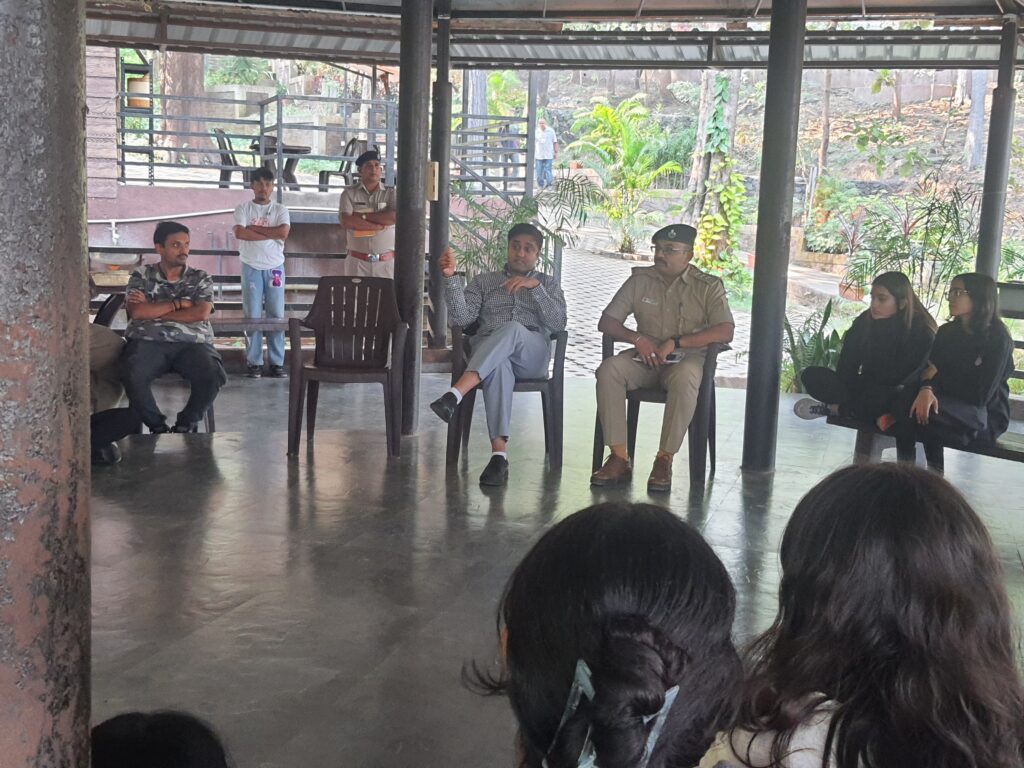
One of the most fulfilling moments was visiting a local school, where we served food to the children and played games with them. Despite our differences, we connected through smiles, laughter, and shared experiences. This required patience and energy, but the joy and gratitude from the children made it incredibly rewarding. Additionally, we participated in a plastic collection drive, reinforcing the importance of environmental responsibility and leaving a positive impact on the community.
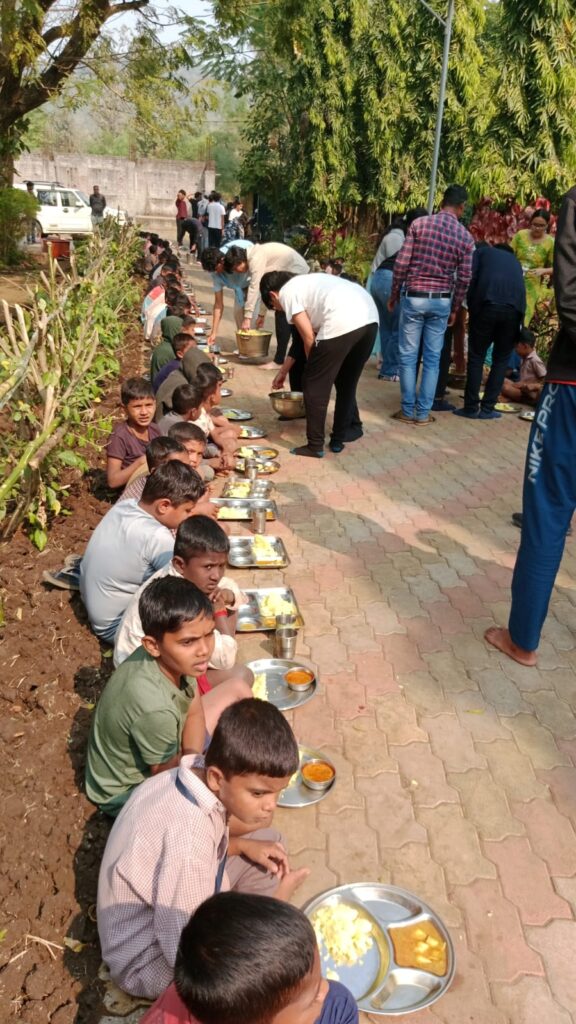
Image of Local School
LO5: Demonstrate the Skills and Recognize the Benefits of Working Collaboratively
Collaboration played a key role in many of the activities at Ambapani. Making baskets out of bamboo, for example, required teamwork and coordination, as we had to divide tasks efficiently and support each other through the process. Engaging in group activities like Mud Lippan Art and the nature walk also reinforced the value of working together and encouraging one another. We also got to play a lot of team games in which we could see how collaboration brings out the better in us.
Interacting with the locals further highlighted the importance of teamwork. Speaking with them, learning about their daily lives, and understanding their challenges gave me a newfound appreciation for community cooperation. Their ability to work together seamlessly in their day-to-day tasks showed me the power of collective effort. Moreover, I was inspired and touched by their happiness, despite having so many difficulties in their day to day lives.
LO6: Demonstrate Engagement With Issues of Global Significance
One of the most impactful aspects of the trip was understanding sustainability and cultural preservation. The people of Ambapani live in harmony with nature, using locally sourced materials such as bamboo for construction, crafts, and daily needs. Their lifestyle emphasizes minimal waste and sustainable practices, which made me reflect on how urban living often leads to unnecessary consumption.
The plastic collection activity we participated in further highlighted the issue of environmental sustainability. Seeing firsthand how plastic waste affects rural areas emphasized the need for responsible waste management and sustainable practices on a global scale. Moreover, we also got to see how milk is produced and how it is stored and tested which was a really good experience to see where we get a common resource from.
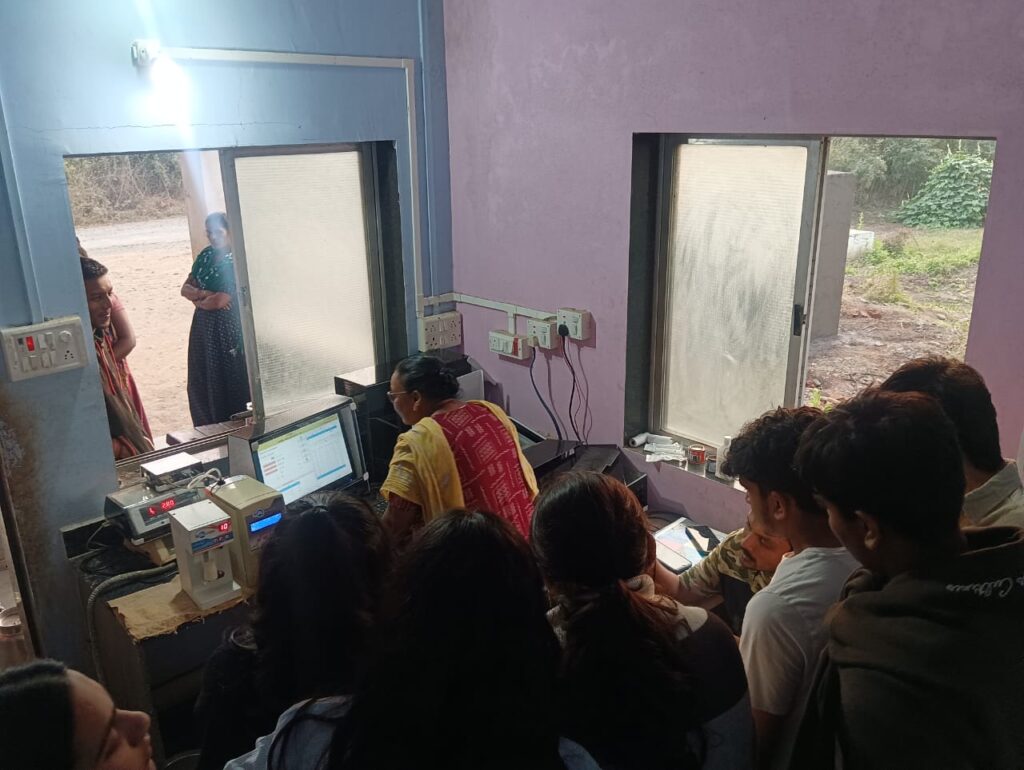
Image of Milk Testing Facility
LO7: Recognize and Consider the Ethics of Choices and Actions
During the immersion, I became more aware of the ethical responsibility we carry when engaging with different communities. It was important to approach the locals with respect and an open mind, rather than treating their lifestyle as something foreign or inferior. I was careful to listen, observe, and appreciate their way of life without imposing my own perspectives.
Additionally, I reflected on the ethical implications of tourism and external involvement in rural communities. I realized that true support comes from empowering communities rather than simply observing or temporarily assisting them. Ethical engagement means ensuring that any contribution is meaningful, sustainable, and beneficial to the people involved.
Rural Immersion in Ambapani was a transformative experience that challenged me physically, mentally, and emotionally. It helped me build resilience, develop new skills, and gain a deeper understanding of sustainability and cultural preservation. From engaging in traditional crafts to stepping out of my comfort zone in adventure activities, every moment was a lesson in growth and adaptability.
I am incredibly grateful for the opportunity to learn from the local community, my teachers, and fellow students. Their support and enthusiasm made the experience even more meaningful. This journey has left me with a stronger appreciation for different ways of life and a greater commitment to being mindful, resourceful, and open to new perspectives.
Thank You!