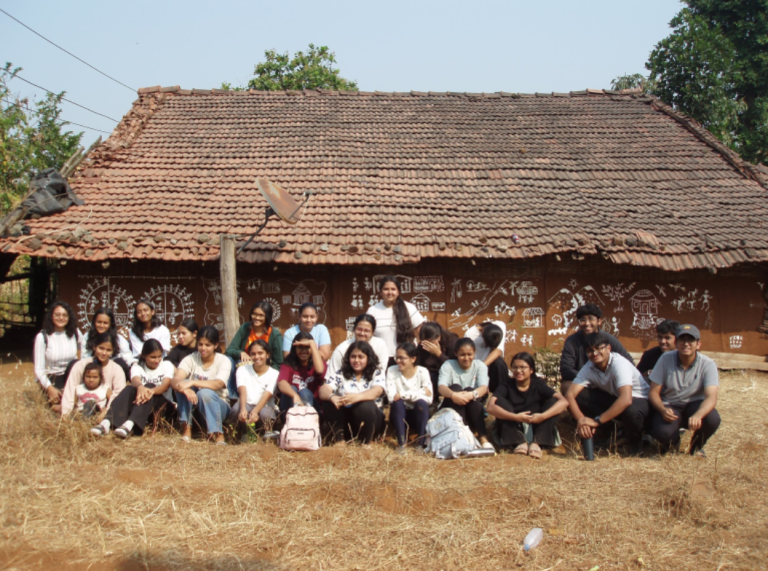
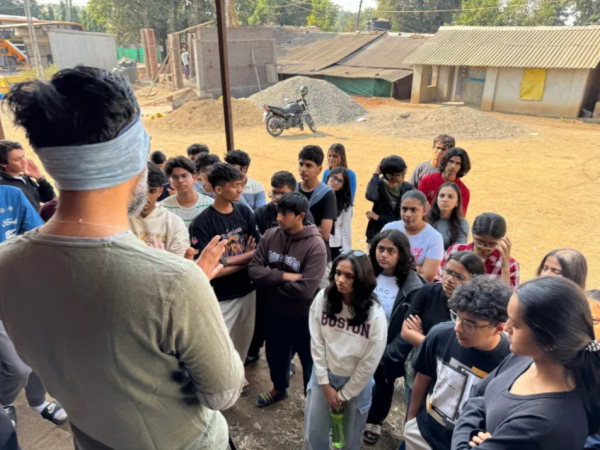
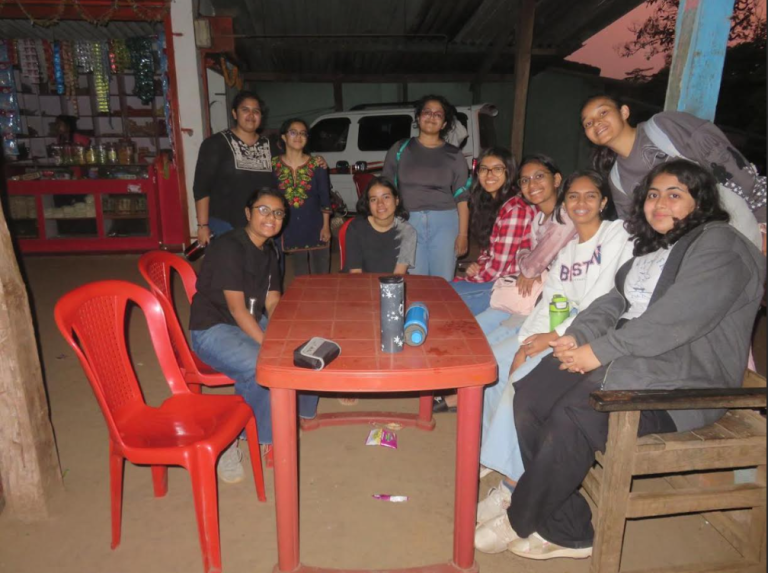
My rural immersion trip to Mokhamal Dang was one of the most memorable and meaningful experiences of my life. It gave me a deep insight into village life and helped me understand how different it is from the fast-paced lifestyle we live in the city. Before the trip, I only had a basic idea of what rural life was like, but living there and observing everything firsthand completely changed my perspective. This experience made me appreciate the comforts and privileges I have in my daily life and helped me understand the strength, simplicity, and resilience of people living in rural areas.
One of the biggest learnings from this trip was experiencing life without technology. Living without constant access to devices, electricity, or the internet taught me how dependent I am on technology. I learned how to interact with local people, understand their daily routines, and even bargain in the local market. This was my first time living in a proper village environment, and it helped me realize that everyone has different perspectives and opinions about rural life, which are often misunderstood or overlooked.
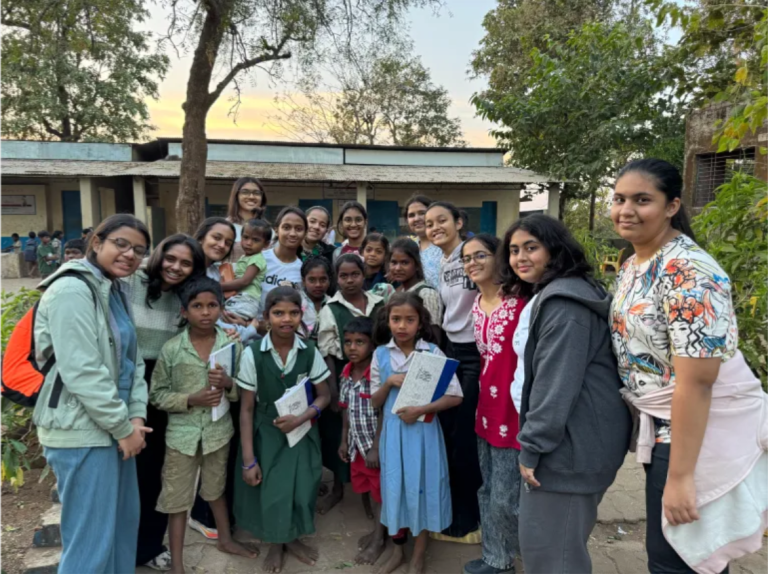
We also spent time at a village school, which was one of my favorite parts of the trip. The children were extremely friendly, enthusiastic, and excited to meet us. Although their classrooms were simple and lacked resources, their eagerness to learn and positive energy were inspiring. Playing games with them, talking to them, and seeing their happiness in small moments made me reflect on how fortunate I am to have access to better educational facilities. This experience helped me value my own school and education even more.
Throughout the trip, I constantly reflected on the contrast between rural and urban life. In cities, we are always rushing, complaining about small inconveniences, and relying heavily on technology. In Mokhamal Dang, people lived with limited resources, yet they were hardworking, content, and positive. They valued relationships, nature, and simple joys. This taught me the importance of gratitude and made me realize how often we take things for granted.
LO2 – Demonstrate that challenges have been undertaken, developing new skills
The rural immersion trip challenged me in several ways and pushed me far out of my comfort zone. Adjusting to limited facilities such as basic bathrooms, irregular electricity, and restricted access to food and transport was not easy initially. However, over time, I learned to adapt to this lifestyle and remain patient. These challenges helped me become mentally stronger and more flexible.
Another challenge was communicating with villagers and understanding their way of life. Initially, I felt unsure about how to interact, but by observing, listening, and asking questions, I gradually became more confident. This helped me develop better communication and listening skills. I also learned practical skills like managing my daily routine without technology and working collaboratively with my peers. Overall, facing these challenges helped me develop adaptability, patience, problem-solving, and communication skills.
LO3 – Initiate and plan a CAS experience
The trip to Mokhamal Dang was well planned and initiated by me and my peers. Before the trip, I planned what to pack, what activities I could do during free time, and how to manage myself without technology. I brought things like crossword puzzles and snacks to keep myself engaged. During the trip, my roommates and I played cards, rested when needed, and supported each other throughout.
We also took initiative during activities such as trekking, visiting the village school, and interacting with children. One of the most memorable moments was visiting an orphanage, where we initiated the process of cooking food ourselves and serving it to the children. Seeing the smiles on their faces while serving them food and then playing with them was extremely fulfilling. It was a moment of shared happiness and joy, making the entire experience unforgettable.
LO4 – Show perseverance and commitment in CAS experience
I demonstrated perseverance and commitment by actively participating in all planned activities, following the daily schedule, and remaining involved even when I felt physically tired or mentally overwhelmed. Whether it was village visits, interactions, or group responsibilities, I stayed committed and supported my peers. This experience taught me the true meaning of perseverance—pushing through discomfort and staying dedicated despite challenges.
LO5 – Demonstrate skills and benefits of working collaboratively
This trip highlighted the importance of teamwork and collaboration. Many activities required us to work together, such as managing daily routines, visiting villages, interacting with locals, and sharing responsibilities. Clear communication, cooperation, and mutual support were essential for everything to run smoothly.
The trip also made me aware of the difficulties faced by people in rural areas. Many villagers lack access to proper healthcare, quality education, clean drinking water, and good infrastructure. Their income, especially from farming, depends heavily on weather conditions and seasons. Witnessing these challenges firsthand helped me understand the inequality between rural and urban areas and emphasized the importance of supporting rural development.
Conclusion
By the end of the trip, I had learned invaluable lessons simply by observing, listening, and spending time with the villagers. I became more grateful for the small things I usually overlook and realized that a simple life can still be fulfilling and happy. The villagers taught me lessons about kindness, hard work, unity, and contentment—not through words, but through their way of living.
Overall, the rural immersion trip to Mokhamal Dang was much more than just a school trip. It was a life-changing experience that helped me grow mentally and emotionally. I returned with unforgettable memories, meaningful lessons, and a deeper appreciation for everything I have in my life.