LO1: Identifying strengths and developing areas for growth
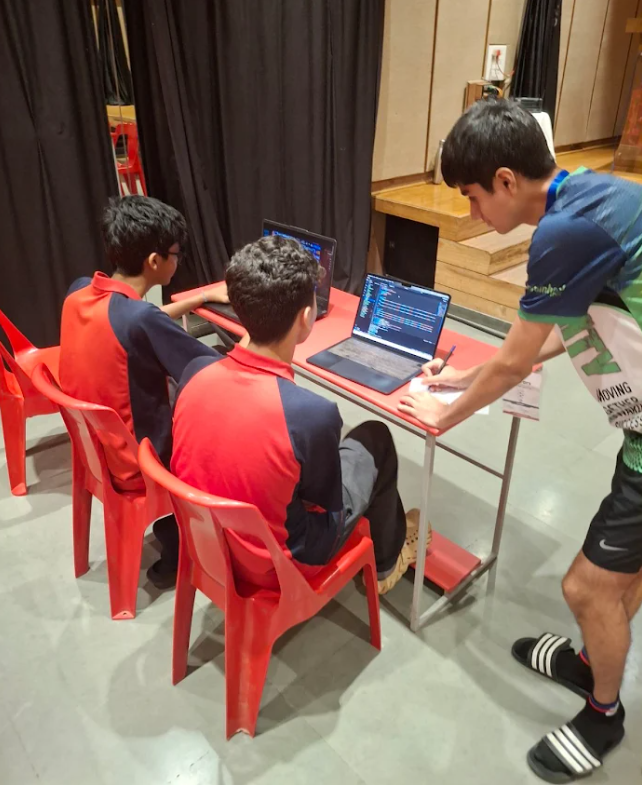
I came into PyWars confident in my organizational skills and fairly comfortable with Python. These strengths helped me plan schedules and support the technical aspects of the competition. However, I quickly realized that I needed to grow in crisis management. When a participant’s laptop froze during a key round, I initially panicked, despite having prepared backup devices. This showed me that preparation isn’t enough—I also need clear contingency protocols to handle problems efficiently.
LO2: Taking on challenges and developing new skills
One of my biggest challenges was designing extra rounds that were engaging yet manageable. I worked on a collaborative coding task where participants had to debug as a team. Creating this pushed me to think like both a teacher and a problem-setter, balancing fairness, difficulty, and clarity. Through this, I developed new skills in designing educational challenges that were fun and accessible.
LO3: Initiating and planning a CAS experience
Although the idea for PyWars came from our faculty advisor, much of the execution was student-led. I personally took initiative in proposing additional activities for participants who were eliminated early so they could continue engaging with coding in a light-hearted way. Drafting the plan and mapping out resources showed me the importance of structured planning—turning ideas into actionable steps.
LO4: Perseverance and commitment
The weeks before the event were intense. Balancing academics with late-night testing and constant troubleshooting required real commitment. At one point, a software update disrupted our competition platform just two days before the event. Rather than hoping for the best, I stayed late with the IT team until we found a stable version. That perseverance paid off when everything ran smoothly on the day.
LO5: Collaboration
PyWars was a true team effort. My work in logistics had to align with registration, scoring, and event hosting, and everyone depended on each other. When I was caught up with technical troubleshooting, one of my teammates seamlessly handled the participant briefing. These moments taught me that collaboration isn’t just dividing tasks—it’s about trust, support, and adapting to each other’s needs.
LO6: Engagement with issues of global significance
On a broader level, PyWars was our way of engaging with the global push for digital literacy. Coding has become a universal skill, and through this event, we encouraged students to see themselves as creators in the digital world rather than just consumers. It felt good knowing that we were contributing, even in a small way, to preparing the next generation for a technology-driven future.
LO7: Ethics of choices and actions
Fairness and integrity were at the heart of our decisions. We made sure challenges didn’t favor students with access to expensive tools, provided spare devices to ensure equal opportunity, and kept participant data secure. Most importantly, we emphasized sportsmanship, making it clear that participation and learning mattered more than just winning.
Conclusion
Organizing PyWars was one of the most rewarding CAS experiences I’ve had. It tested my strengths, revealed areas where I can grow, and gave me a chance to work closely with an amazing team. More than anything, it reminded me of the power of community and collaboration. Watching participants struggle, laugh, and celebrate together showed me that coding—and learning in general—is best experienced as a shared journey.