I recently participated in a tree-planting drive organized by Surat Van in partnership with the Surat Municipal Corporation (SMC). Fountainhead School has adopted a piece of land to help increase the city’s green cover. During this event, I planted saplings and young trees, which was both physically engaging and personally meaningful. This activity allowed me to connect directly with the environment while reflecting on my role in tackling global issues like climate change, deforestation, and urban sustainability. Planting trees relates to several Sustainable Development Goals, especially SDG 13 (Climate Action), SDG 15 (Life on Land), and SDG 11 (Sustainable Cities and Communities). I learned that even small, local efforts can support larger international goals for sustainability.
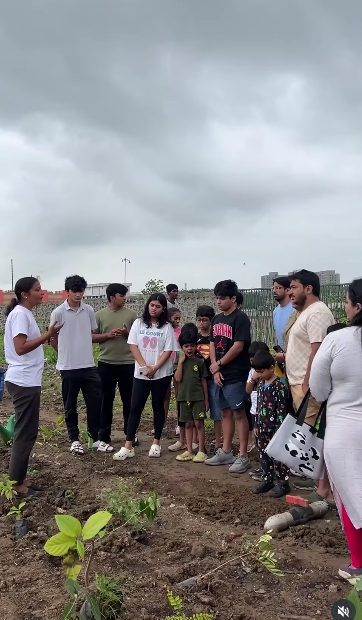
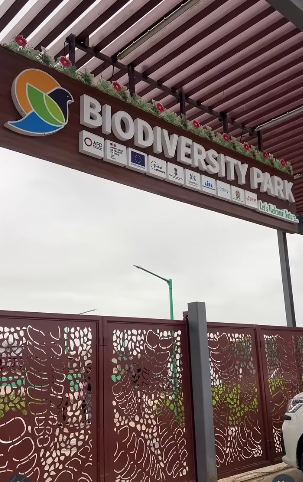
My participation in the community plantation drive, organized by Surat Van, SMC, and Fountainhead, was a profoundly enriching experience that allowed me to engage with all seven learning outcomes of CAS in an integrated manner. The experience began with initiative and planning (LO3), as I proactively signed up for the event and carefully balanced this commitment with my academic schedule to ensure I could contribute fully.
Upon arriving, I was immediately faced with a tangible challenge that required new skills (LO2). Planting saplings on uneven terrain was physically demanding, pushing me to learn proper techniques for digging, handling tools, and securing young plants—practical skills in environmental stewardship I had never before possessed. Throughout this physically tiring and repetitive work, I demonstrated commitment and perseverance (LO4), understanding that each sapling planted was a step toward a larger goal and that meaningful change requires sustained effort.
The collaborative nature of the drive was central to its success and my enjoyment. I experienced firsthand the benefits of working collaboratively (LO5), as teamwork with peers, volunteers, and officials not only made the process more efficient but also created a shared sense of purpose. This environment also prompted significant self-reflection, helping me identify my own strengths and areas for growth (LO1). I confirmed my strength in collaborative, hands-on tasks but also recognized a need to develop greater patience and consistency to support environmental causes beyond one-time events.
Most importantly, the activity deepened my understanding of its broader context. I directly engaged with an issue of global significance (LO6)—climate change and biodiversity loss—by contributing to a local solution with global implications: reforestation. This led me to recognize and consider the ethics of my choices (LO7). I realized that participating was more than just volunteerism; it was an ethical decision to act responsibly toward the planet and future generations, reinforcing my belief that sustainable practices are a lifelong responsibility.
In conclusion, the plantation drive was a microcosm of the CAS philosophy. It was a journey that moved from personal initiative and skill development to a deeper appreciation for collaboration, global citizenship, and the ethical imperatives that guide our actions.