


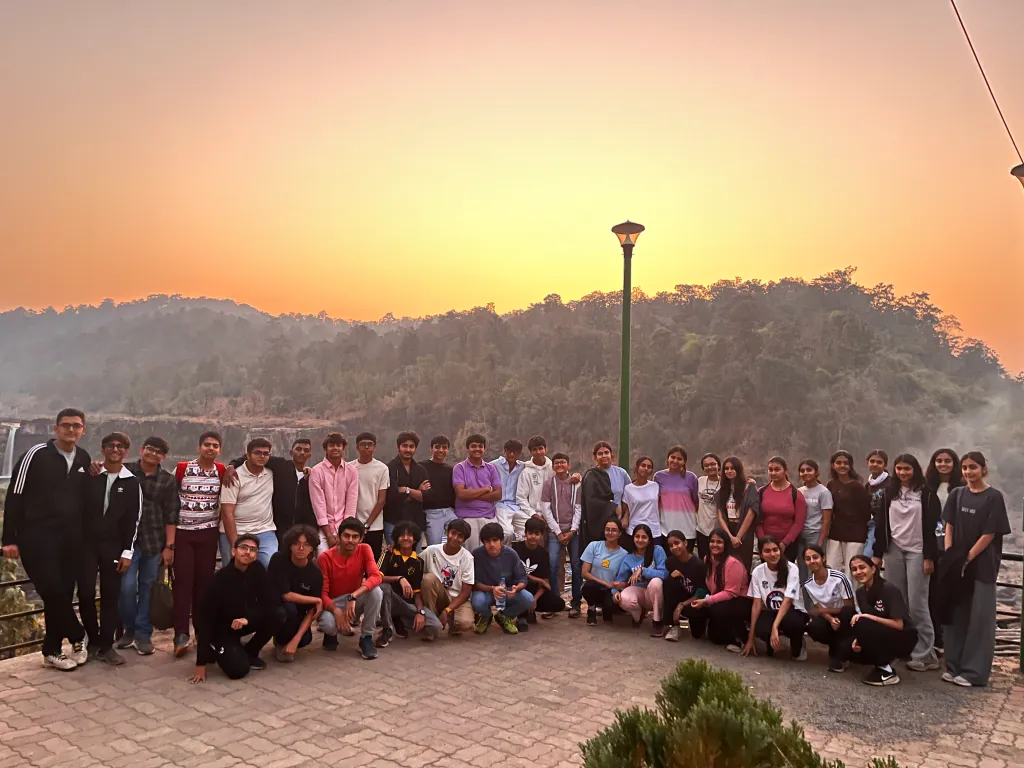
Our school organized a six-day rural immersion trip to Kilad Campsite, where we experienced life in a rural community, far from the comfort of our usual urban environment. The goal was to learn about rural lifestyles, adapt to limited resources, and gain insight into the challenges and resilience of people living in underdeveloped regions. We participated in various physical and cultural activities such as trekking, farming, cooking on wood stoves, and engaging with locals without access to phones, luxuries, or digital distractions.
LO1 – Identify Own Strengths and Develop Areas for Growth
I discovered my adaptability when I adjusted faster than expected to the rural lifestyle, including the lack of phones, air conditioning, and familiar food. I also found myself capable in manual tasks like cooking and farming. However, I realized my physical stamina needs improvement, as I struggled during long treks. I also initially hesitated to approach locals, which showed me I need to work on my confidence in social situations. This experience made me more aware of both my strengths and areas I want to grow in.
LO2 – Demonstrate That Challenges Have Been Undertaken, Developing New Skills
Living without modern comforts, managing daily physical tasks, and communicating with locals were major challenges. I gradually adapted to the minimalistic lifestyle and developed new skills such as understanding traditional meals, working in the fields, and understanding local languages and expressions. Facing these difficulties helped me build resilience and gave me the confidence to tackle unfamiliar environments.
LO4 – Show Perseverance and Commitment in CAS Experience
The heat, limited food options, and constant physical exertion were tough, but I stayed committed and active throughout the trip. Waking up early every day and engaging fully in all activities even when exhausted required mental strength and consistency. I didn’t give up, and this perseverance taught me the value of seeing challenges through to the end.
LO5 – Demonstrate the Skills and Benefits of Working Collaboratively
Nothing on this trip could have been done alone. Whether it was setting up meals, collecting firewood, or navigating treks, collaboration was essential. I learned to work better in groups, respect everyone’s contributions, and communicate effectively under pressure. Teamwork made even the most exhausting tasks manageable and sometimes fun.
LO6 – Engagement with Issues of Global Significance
Seeing the struggles of rural communities firsthand made me realize the severity of issues like poverty, educational inequality, and lack of healthcare access challenges faced not only in India but globally. I also saw how sustainability plays a crucial role in rural survival, as the community relies heavily on local resources. This experience deepened my awareness of global development issues and strengthened my desire to contribute meaningfully in the future.
LO7 – Recognize and Consider the Ethics of Choices and Actions
Throughout the trip, we were careful to act ethically respecting local customs, minimizing waste, and being conscious of how our presence affected the community. We avoided littering, didn’t overuse limited resources, and engaged with locals respectfully and humbly. This experience helped me understand how even small actions can have ethical implications, especially in vulnerable communities.
Personal Reflections:
The Rural Immersion trip was a transformational experience that helped me reflect on my privileges and the resilience of rural communities. It helped me build practical skills, improve teamwork, and develop a deeper understanding of global challenges. It reminded me of the value of simplicity, the importance of sustainability, and the power of human connection across very different walks of life. If given the chance, I would gladly participate in such an experience again, with even more confidence, purpose, and a stronger drive to contribute.