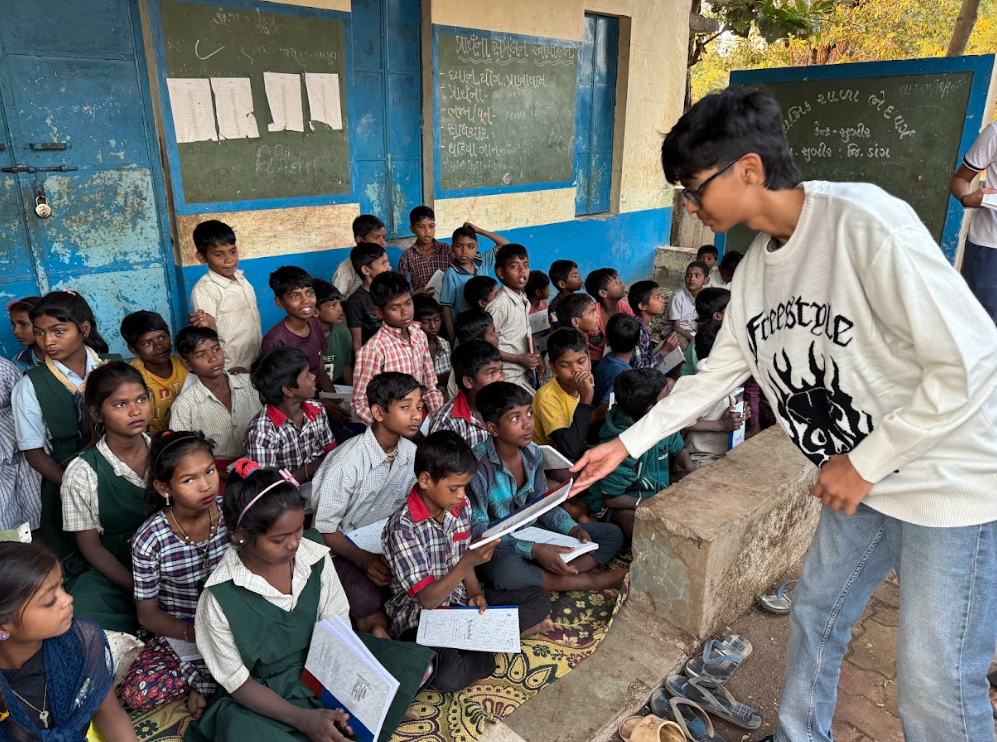
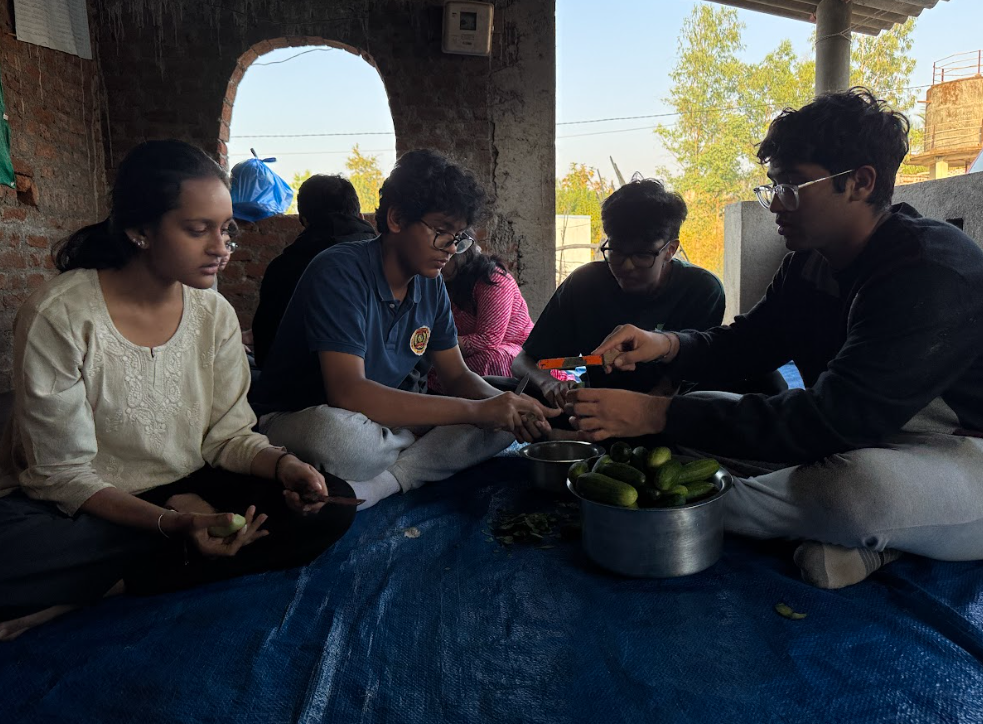
My 7-day rural immersion trip to Mokhamal was an eye-opening experience that allowed me to step into the lives of tribal communities and understand their culture, economy, environment, and everyday challenges. The goal was to engage with the local community through meaningful interaction, participate in their routines, support educational and environmental efforts, and reflect on broader global and ethical issues.
LO1 – Identify Own Strengths and Develop Areas for Growth
This trip helped me recognize my ability to adapt quickly to unfamiliar situations and connect with people despite language and lifestyle differences. However, I realized I needed to improve my patience and cultural sensitivity, especially in slow-paced, resource-limited settings. Being aware of these areas has helped me become more tolerant and self-aware.
LO2 – Demonstrate That Challenges Have Been Undertaken, Developing New Skills in the Process
One major challenge was the language barrier, as most locals spoke only Gujarati. Initially, it was difficult to communicate or understand their stories, but I overcame this by learning basic Gujarati phrases and observing non-verbal cues. I also developed physical endurance during long treks and adjusted to limited amenities, building resilience and new interpersonal skills.
LO3 – Demonstrate How to Initiate and Plan a CAS Experience
While the trip was broadly structured, I initiated my own involvement by planning and leading a basic English and number lesson for local students. I also helped plan how to construct a trellis in the school garden and supported organizing a kite-flying activity. Taking initiative within a larger framework taught me how to identify needs and take action responsibly.
LO4 – Show Commitment and Perseverance in CAS Experiences
Despite the discomfort of rural living—limited electricity, basic sanitation, and long walks—I stayed fully engaged and positive. I committed to every task, from cleaning and cooking to trekking and teaching, and this perseverance made the experience more rewarding. It reminded me that consistency and attitude matter, even in unfamiliar conditions.
LO5 – Demonstrate the Skills and Recognize the Benefits of Working Collaboratively
Teamwork was crucial throughout the trip. Whether we were preparing meals, interacting with locals, or navigating the tribal market to buy ingredients, we had to collaborate effectively. Working with my peers, locals, and mentors helped me improve my communication, leadership, and conflict-resolution skills.
LO6 – Demonstrate Engagement with Issues of Global Significance
The trip highlighted key global issues such as poverty, education inequality, limited access to healthcare, and environmental sustainability. We witnessed how rural communities manage resources with minimal waste and how children struggle to access even basic learning tools. These issues, while local in context, reflect global disparities that need urgent attention and collective action.
LO7 – Recognize and Consider the Ethics of Choices and Actions
Every interaction made me reflect on privilege and ethical responsibility. Distributing donations made me think about dignity in giving. Discussions around tribal rights and quotas pushed me to examine social justice more deeply. I also became more conscious of environmental ethics, especially after learning about deforestation and how locals depend directly on natural ecosystems.
Final Takeaway
This experience helped me grow as an open-minded, reflective, caring, and principled learner. The highlight was forming genuine connections with people whose lives are so different from mine, yet full of resilience and strength. The trip reshaped my worldview, made me more grounded, and gave me a deep sense of responsibility to contribute meaningfully to society. I plan to carry these lessons into future service work, academic inquiry, and everyday decisions.