This March, I had the privilege of volunteering for Anand Utsav, a heartwarming, student-led initiative dedicated to showing appreciation for our school’s support staff. The event was a true reflection of the values of gratitude, respect, and community, as students came together to recognize the invaluable contributions of those who work tirelessly behind the scenes to keep our school running smoothly.
While students may often be seen as the face of the school, it is the support staff who form its backbone. Their dedication, hard work, and quiet commitment often go unnoticed, and Anand Utsav was our way of expressing how deeply grateful we are for all they do.
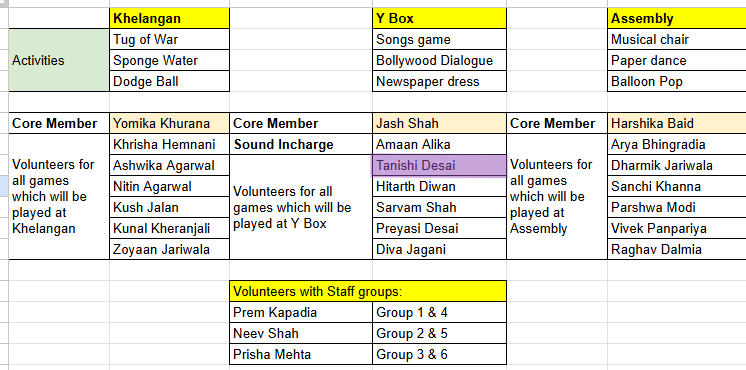
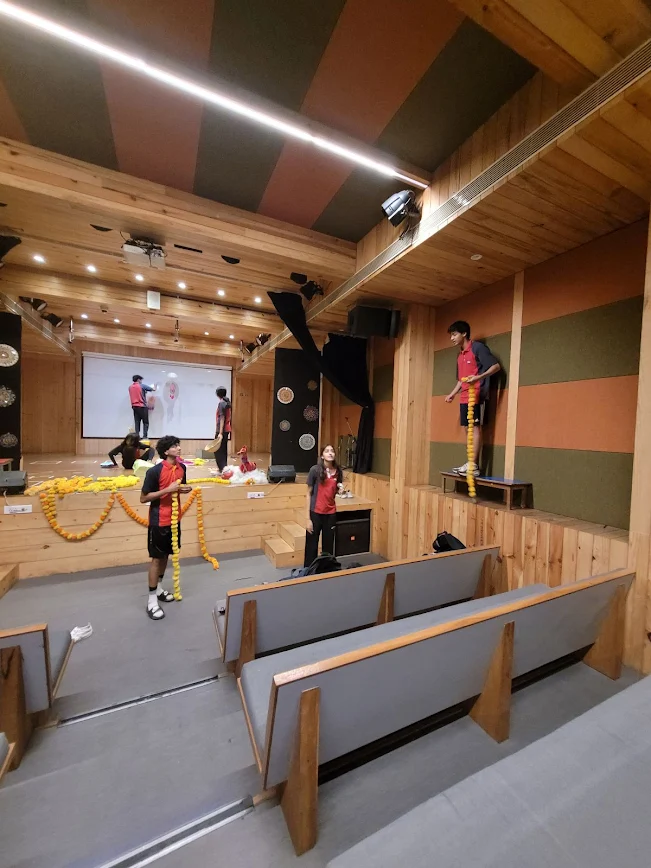
From organizing performances and interactive activities to preparing thank-you cards and arranging refreshments, every detail of the event was thoughtfully planned to make them feel valued and celebrated. As a volunteer, I assisted with logistics, helped decorate the venue, and ensured everything was ready before the event began. During the program, I hosted and led a few interactive games, which the support staff genuinely enjoyed. The entire event was filled with laughter, warmth, and appreciation and it was an honor to be part of it.
LO1 – Identify own strengths and develop areas for growth
Participating in Anand Utsav gave me the chance to reflect on both my strengths and the areas where I still have room to grow. I realised that I’m quite comfortable handling logistics and behind-the-scenes coordination. Whether it was helping with the setup, organizing materials, or managing the flow of the event, I was able to stay calm and focused, even when things got a bit hectic. I also found that I enjoy engaging with people in a purposeful way, leading games and interacting with the support staff came more naturally to me than I expected.
At the same time, this experience highlighted some areas for growth. I noticed that I tend to get caught up in small details, which can slow me down when quick decisions are needed. I also want to work on being more assertive in team discussions—there were a few times I held back ideas because I wasn’t sure how they’d be received.
Anand Utsav helped me become more aware of how I work in both structured and spontaneous settings. I’m taking these observations forward so I can continue building on my strengths while actively improving my confidence and decision-making in group settings.
LO2 – Demonstrate that challenges have been undertaken, developing new skills.
One of the biggest challenges during Anand Utsav was making sure everything ran smoothly in a live setting, where things don’t always go according to plan. Even though we had a schedule, once the event started, it became clear that we needed to be flexible. Some games took longer than expected, others needed to be adjusted based on how the support staff responded, and we had to manage time without making the event feel rushed or too drawn out.Once the decorations were set up, I took on the responsibility of hosting games for the support staff. This experience reinforced the importance of collaboration, as I worked closely with my peers to ensure that the activities were engaging and enjoyable. From coordinating game rules to encouraging participation, teamwork played a crucial role in making the event a success. Seeing the staff members laugh and enjoy themselves was incredibly fulfilling, reinforcing the value of community spirit and shared joy.
LO5 – Demonstrate skills and benefits of working collaboratively.
Anand Utsav was entirely student-led, which meant that working collaboratively wasn’t just helpful—it was essential. From the early planning stages to the final event execution, we had to rely on each other to divide tasks, manage time, and make sure no detail was missed. Whether it was coordinating logistics, setting up the venue, or running games during the event, everyone had a role to play, and the outcome depended on how well we worked together.
One thing I learned was how important it is to communicate clearly and stay open to different ideas. Everyone brought their own style of working, so finding a rhythm that worked for the group took some effort. There were moments of confusion and overlap, but instead of letting that slow us down, we learned to be more responsive and supportive of one another.
LO6 – Engagement with issues of global significance.
Although Anand Utsav was a local, school-based event, it connected deeply with broader global issues—particularly the importance of dignity, inclusion, and recognition of labor. Across the world, support staff and other essential workers often go unnoticed despite the vital roles they play. Anand Utsav gave us, as students, the opportunity to address this imbalance in a meaningful way by creating a space that acknowledged and celebrated the contributions of our school’s support staff.
Through this experience, I engaged with the global issue of social inequality and labor invisibility—issues that are present not just in institutions, but across industries and communities worldwide. It made me reflect on how often society overlooks those who work behind the scenes and how appreciation, respect, and visibility can be powerful tools for change, even on a small scale.
By contributing to this initiative, I became more aware of how everyday actions—like organizing a community-centered event—can tie into larger conversations about equity, fairness, and social justice. It reminded me that addressing global issues doesn’t always require big actions; sometimes, it starts with the way we choose to engage with the people around us.
LO7 – Recognise and consider the ethics of choices and actions.
Planning Anand Utsav required us to think carefully about how our choices would impact the people we were organizing the event for—our school’s support staff. Since the goal was to show appreciation, we had to make sure that the tone of the event was respectful and not patronizing. That meant being mindful about the types of games we included, the way we spoke, and how we interacted during the event. Every small decision—from the language we used to the structure of the activities—had to be made with empathy and sensitivity.
This experience made me more aware of the ethical responsibility that comes with organizing events centered around other people, especially those who don’t often receive public recognition. It wasn’t just about putting together something fun—it was about making sure our actions communicated genuine respect and gratitude.
Reflecting on this reminded me that good intentions aren’t always enough. The impact of our actions matters just as much, and it’s important to step back and ask: Is this thoughtful? Inclusive? Are we uplifting or unintentionally reinforcing a power dynamic? Anand Utsav helped me become more conscious of the ethical layers behind seemingly simple decisions.
Anand Utsav was more than just a celebration, it was an opportunity to reflect on the values of gratitude, inclusion, and respect. Through planning and executing this event, I developed practical skills in organization, communication, and teamwork, while also gaining a deeper understanding of the ethical and social impact of our actions. It reminded me that even small efforts can make a difference when done with intention and empathy. This experience not only allowed me to give back to an often-overlooked group but also helped me grow as a more thoughtful and responsible individual.