CAS Experience: Teaching Mathematics to Underprivileged Students
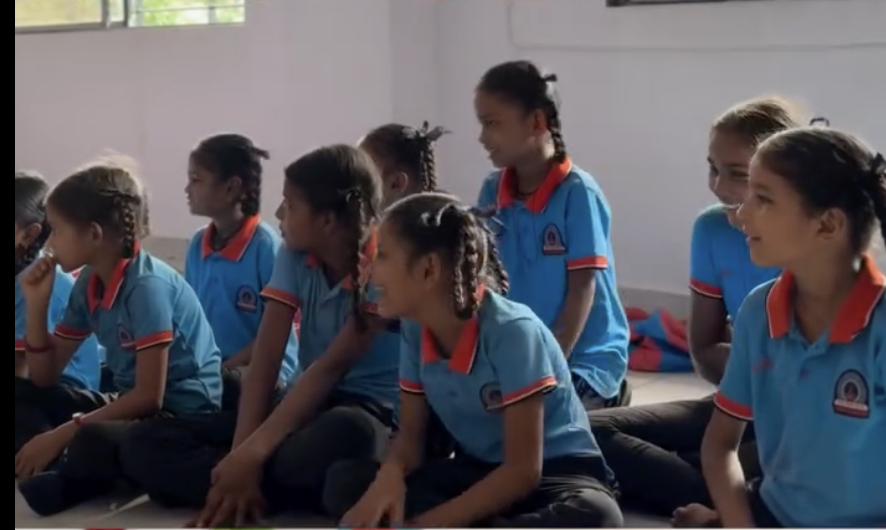
As part of my CAS experience, I volunteered to teach basic mathematics to underprivileged students of a government school in Surat. The main aim of this initiative was to help the students strengthen their foundational math and language skills while making learning more engaging, enjoyable, and relatable.
LO3 – Initiate and Plan a CAS Experience
In the process of conducting these sessions, I thoughtfully prepared the topics to ensure that they corresponded with the learning levels of the students. I prepared some simple exercises and interactive activities that let the students participate and make the lessons fun. Coordinating with the administration ensured effective scheduling of classes and adjusting my teaching methodology according to the understanding and needs of the students. This stage has taught me the value of thoughtful planning and flexibility in achieving meaningful outcomes.
LO4 – Show Perseverance and Commitment in CAS Experiences
That was an experience that needed constant effort and commitment. Our group visited the school every Saturday, regardless of how busy a week at school was or how exhausted we were. Of course, it was not easy sometimes to juggle other commitments, but being reliable and consistent was crucial because the students relied on us. I learned from this that perseverance applies not only in completing a task; it also means coming into a task with a fresh attitude and being reliable for other people. This experience helped me further develop my sense of responsibility and resiliency.
LO5 – Demonstrate the Skills and Recognize the Benefits of Working Collaboratively
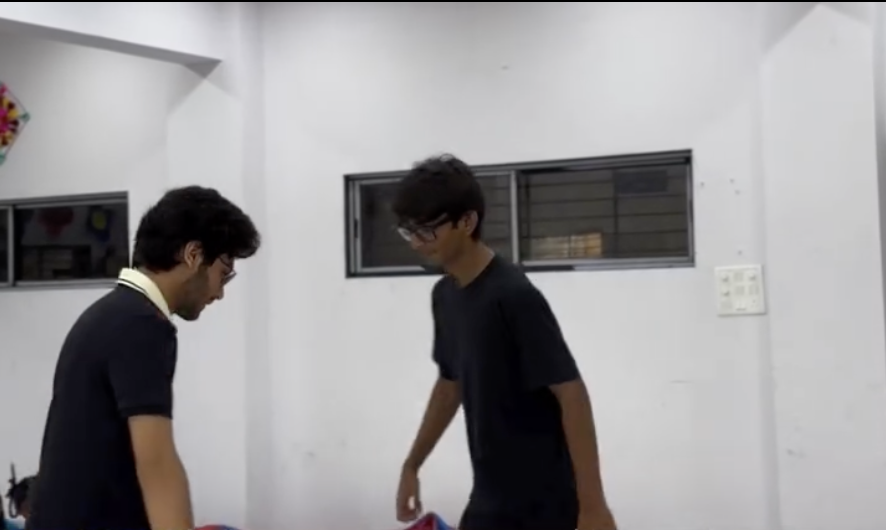
It required a team effort, and effective collaboration was an essential reason for the project’s success. We divided our responsibilities: some were more focused on teaching, while others organized games or designed lesson plans. We shared ideas, supported each other in cases of obstacles, and rejoiced together over small achievements. In this process, I learned how teamwork, communication, and mutual support can amplify impact. It really strengthened my belief in collaboration for shared goals and helped me become capable of creating a positive learning environment.
LO6 – Engagement with Issues of Global Significance
This CAS experience was linked to larger global issues-unequal access to education, child welfare, and environmental sustainability. At a local level, we were supporting inclusive education, hence contributing to a global movement toward equity in education. Moreover, physical activities, including environmental ones like planting trees, enhanced the health, wellbeing, and environmental awareness of the group. I understood that small and local contributions do count to solve major global problems and develop a sense of global citizenship.
LO7 – Recognize and Consider the Ethics of Choices and Actions
Such work with young students from disadvantaged backgrounds required great sensitivity and ethical awareness. We treated each child with respect, patience, and empathy, considering their individual needs within our lessons. We were keen on being kind and fair, whether during teaching, games, or other activities. It was here that a deeper understanding of the ethical responsibilities that come with service came in, and how much compassion and respect can shape other people’s lives.