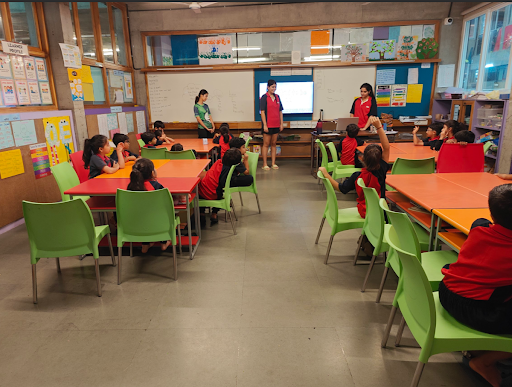
Experience Description:
As part of my CAS project, I participated in the Random Acts of Kindness Program, where we conducted sessions for Grades 1 to 4 students to teach them about kindness, empathy, and compassion. Through storytelling, interactive discussions, games, and group activities, we aimed to instill the value of helping others and making positive choices.
The sessions were designed to be engaging and age-appropriate, encouraging students to share their thoughts, participate in fun exercises, and practice acts of kindness in their daily lives. This project required planning, creativity, patience, and teamwork to ensure the sessions were both educational and enjoyable.
Learning Outcomes Achieved
LO1: Identifying Own Strengths and Developing Areas for Growth
This project helped me recognize my strengths in communication and leadership. I was able to explain ideas clearly and connect with younger students effectively, which allowed me to engage them during the sessions.
However, I also identified areas for growth, such as managing group dynamics and maintaining attention spans, especially with younger children. It taught me to adapt my teaching style to match different energy levels and learning abilities.
LO2: Demonstrating That Challenges Have Been Undertaken and New Skills Developed
Working with Grade 1–4 students was both rewarding and challenging. Keeping them focused while ensuring they understood the concepts required patience and creativity. I developed new skills, such as:
- Simplifying ideas into kid-friendly explanations
- Using storytelling and activities to make sessions more engaging
- Adjusting my approach based on the children’s reactions
These skills helped me grow as an effective communicator and facilitator.
LO3: Initiating and Planning a CAS Experience
Since this was a CAS project, we had to plan the sessions. Our team divided responsibilities, creating activity plans, preparing visual aids, and designing interactive games to make learning fun. We also prepared different strategies for each grade level, considering their age, understanding, and attention spans.
Through this, I learned how much preparation and structure are needed to execute a meaningful session successfully.
LO4: Showing Commitment and Perseverance
The project required consistent dedication over multiple sessions. Even when students were distracted or less responsive, I stayed committed to engaging them positively. Preparing for each session, revising plans, and adapting based on previous feedback demanded perseverance and discipline.
By the end of the program, I saw significant improvement in my ability to stay patient and persistent, which helped me become a better mentor.
LO5: Demonstrating Skills and Recognizing the Benefits of Working Collaboratively
This project involved close team collaboration. We brainstormed ideas together, divided tasks, and supported one another during the sessions. Working as a team ensured the activities ran smoothly, and we could handle challenges effectively.
Collaboration also allowed us to share perspectives, making the program more impactful and enjoyable for the students.
LO6: Engaging With Issues of Global Significance
Kindness and empathy are universally significant values. By teaching young children about respect, compassion, and helping others, we contributed to fostering a more inclusive and caring community.
Encouraging students to adopt these behaviours early can have a lasting impact, helping shape individuals who are mindful of social and emotional well-being. This skill benefits society as a whole.
LO7: Recognizing and Considering the Ethics of Choices and Actions
This project required us to act responsibly and ethically since we were working with young children. We had to ensure our approach was age-appropriate, respectful, and inclusive, keeping in mind their emotional sensitivity.
We also modeled kindness in our behavior, understanding that children learn best by observing actions rather than just hearing instructions. Being mindful of this helped us set a positive example.
Final Reflection:
The Random Acts of Kindness Project was one of the most fulfilling CAS experiences I’ve had. I learned how to connect with children, plan engaging sessions, and inspire positive behaviour through interactive activities. The project helped me grow as a communicator, leader, and collaborator, while also reinforcing my belief that small actions can create meaningful change.
Teaching students about kindness made me realise the impact we can have on shaping the next generation’s values. It wasn’t just about guiding them. It was also about learning from their curiosity, honesty, and pure expressions of empathy.