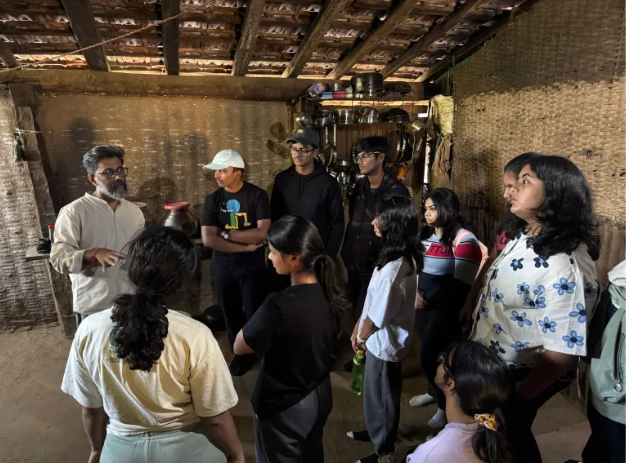
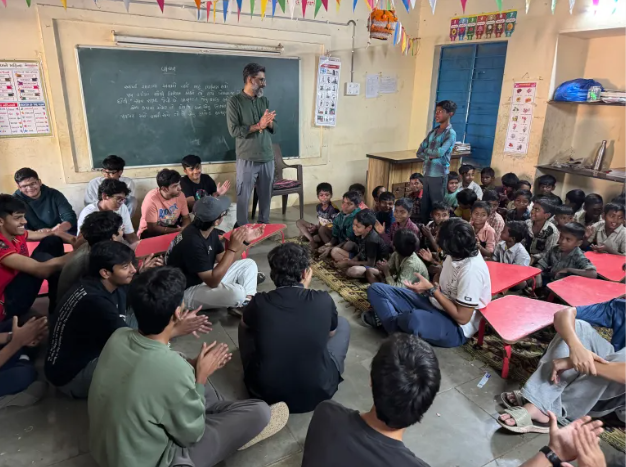
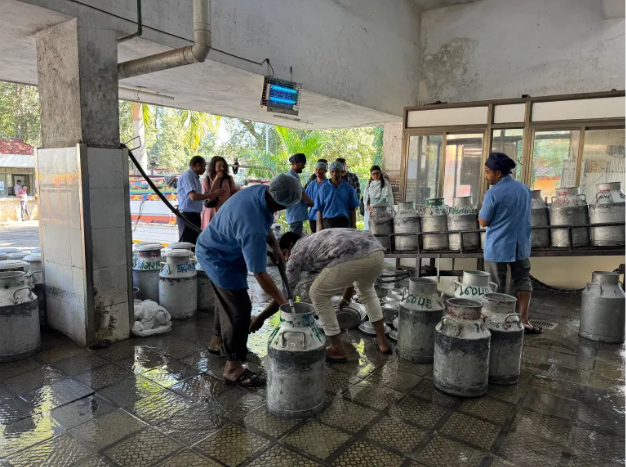
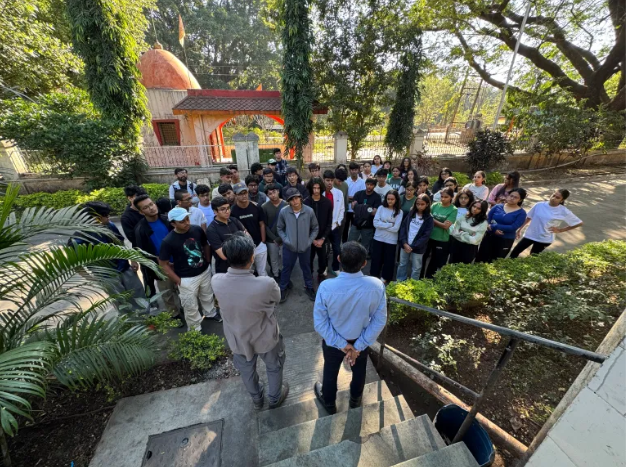
During our visit to Mokhmal Dung , my interactions with the local community highlighted the importance of effective communication, especially when language differences came into play. While speaking in simple Gujarati phrases and using gestures, I learned that being patient and genuinely listening made a big difference. This experience made me realize my strength in adapting to new environments and connecting with people from different backgrounds. At the same time, it also showed me that improving my language skills would allow for deeper and more meaningful conversations in the future.
learning outcome 1 – Rural Immersion to Moklamal, Dang
During my visit to Moklamal in the Dang district, I had the opportunity to step out of my comfort zone and engage with a rural community that lives a lifestyle very different from mine. This experience helped me identify strengths such as adaptability, communication, and empathy. I learned how to interact with locals, overcome language barriers, and genuinely understand their daily challenges.
At the same time, I also realized areas where I could grow — particularly in patience and cultural sensitivity. Being in an unfamiliar environment made me reflect on how important it is to approach situations with an open mind and willingness to learn. This rural immersion not only allowed me to contribute meaningfully but also helped me grow personally by understanding the value of simplicity, resilience, and community support.
learinng outcome 2 – Demonstrate that challenges have been undertaken, developing new skills in the process
As part of our rural immersion experience, we visited Moklamal, a remote village in the Dang district. This trip pushed me out of my comfort zone and exposed me to a completely different way of life. Adapting to limited resources, unfamiliar routines, and new cultural practices was initially challenging, but it helped me build resilience and patience. Interacting with the locals required me to develop stronger communication and empathy skills, especially when language and lifestyle differences came into play. Whether it was assisting in community tasks or simply learning how to live sustainably with nature, the experience taught me the value of adaptability and the importance of appreciating diverse perspectives.
LO3 – Initiate and plan a CAS experience.
When planning for the trip to Mokhamal Dang with the school, I realized that initiative and preparation were crucial for making the most of the experience. From the beginning, I knew that this was not just going to be a school excursion but an opportunity to immerse myself in a very different lifestyle and learn from the tribal community living there. Before going, I prepared by researching a little about the people, their culture, and their way of living, so that I could be more respectful and open-minded during interactions. I also had to organize myself with the right essentials for the rural environment—packing simple clothing, comfortable footwear, and items that would help me adapt to the conditions.
The planning phase required me to think ahead about how I would balance being a learner and a participant. I reminded myself to be proactive in asking questions and engaging with the people while also being careful not to intrude. Initiating the experience was actually easier once I arrived, because the community welcomed us warmly, and I quickly adjusted to the atmosphere. I found that being flexible and open-hearted was key to making the experience meaningful.
LO4 – Show perseverance and commitment in CAS experience.
The trip to Mokhamal Dang required me to demonstrate perseverance and commitment from the very beginning. Traveling to a rural area and spending time with the tribal people was not just about being present, but about fully engaging with the experience despite challenges. The journey itself was long and tiring, and adapting to the new environment took effort. The living conditions were much simpler compared to what I am used to, and at times, it was difficult to adjust to the lack of usual comforts. However, I committed myself to stay positive and open-minded throughout the experience.
Perseverance was especially important when it came to immersing myself in the community. Sometimes communication felt difficult, as cultural and language barriers made it harder to interact smoothly. Yet, I kept trying to connect through gestures, smiles, and simple conversations, and eventually, these efforts paid off as I started to build rapport with the people. I also committed to participating in every activity organized during the trip, even when I felt tired or uncertain. Whether it was helping in daily tasks, joining group interactions, or listening to their stories, I stayed engaged because I knew this was how I could gain the most from the experience.
LO5 – Demonstrate skills and benefits of working collaboratively.
During the trip to Mokhamal Dang, collaboration played a key role in making the experience meaningful and successful. From the start, I realized that this journey was not something I could go through alone—it required teamwork with my peers as well as cooperation with the tribal community. For example, simple tasks such as organizing activities, moving around the area, or engaging in conversations with the locals often worked best when we supported each other as a group. I found that sharing responsibilities, like helping to set things up or encouraging others to participate, made the experience smoother for everyone.
Working collaboratively with my classmates also taught me the importance of listening and adapting. Each of us had different strengths—some were better at breaking the ice with the local people, while others were more observant or skilled at handling practical needs. By recognizing and respecting these strengths, we managed to create a balanced dynamic. I also learned how valuable patience and communication are, especially when small misunderstandings or differences in approach came up.
LO6 – Engagement with issues of global significance.
Visiting Mokhamal Dang and spending time with the tribal community gave me the opportunity to engage with issues that go beyond just a local setting, touching on themes of global significance. One of the main realizations I had was the importance of cultural preservation in an increasingly globalized world. The tribal people live in a way that is deeply connected to their traditions, environment, and community bonds. Yet, communities like theirs face challenges such as modernization, loss of cultural identity, and limited access to resources, which are global issues seen in many indigenous populations around the world.
During the trip, I noticed how their lifestyle, though simple, is sustainable and rooted in harmony with nature. This made me reflect on how the world as a whole is struggling with environmental issues and overconsumption, while here was a community practicing a lifestyle that is eco-conscious almost by default. Their way of living highlighted the importance of balancing development with sustainability, which is something societies worldwide are trying to address.
LO7 – Recognise and consider the ethics of choices and actions.
While reflecting on the trip to Mokhamal Dang, I realized that many ethical considerations were involved in how we approached and interacted with the tribal community. Visiting their village was not just about observing their lifestyle but about respecting their culture and ensuring that our presence did not feel intrusive. One ethical choice I had to consider was how I behaved as a guest—whether I was being mindful, respectful, and appreciative, rather than treating their way of life as something unusual to be judged.
There were moments when I questioned whether taking photos or asking certain questions might make them uncomfortable. This made me think about the responsibility I had to respect their dignity and privacy, even though I was curious to learn. Another ethical aspect was ensuring that my actions contributed positively to the exchange. Instead of just “taking” knowledge or experiences from them, I tried to engage sincerely, listen carefully, and show appreciation for their hospitality.
Conclusion:
The CAS trip to Mokhamal, Dang was an unforgettable experience that allowed me to step outside my comfort zone and truly understand the value of teamwork, empathy, and community service. Engaging with the local people and participating in various activities helped me appreciate the importance of sustainability and collaboration in solving real-world problems. Through service and interaction, I developed strong communication and leadership skills, while also learning to adapt to new environments and challenges. This trip reminded me how small actions can make a meaningful difference in others’ lives. Beyond the learning outcomes, it also strengthened friendships, created lasting memories, and gave me a deeper sense of gratitude and responsibility toward society. Overall, the experience was both personally rewarding and socially impactful, fulfilling the true purpose of CAS—developing awareness, compassion, and commitment to positive change.