Experience Overview
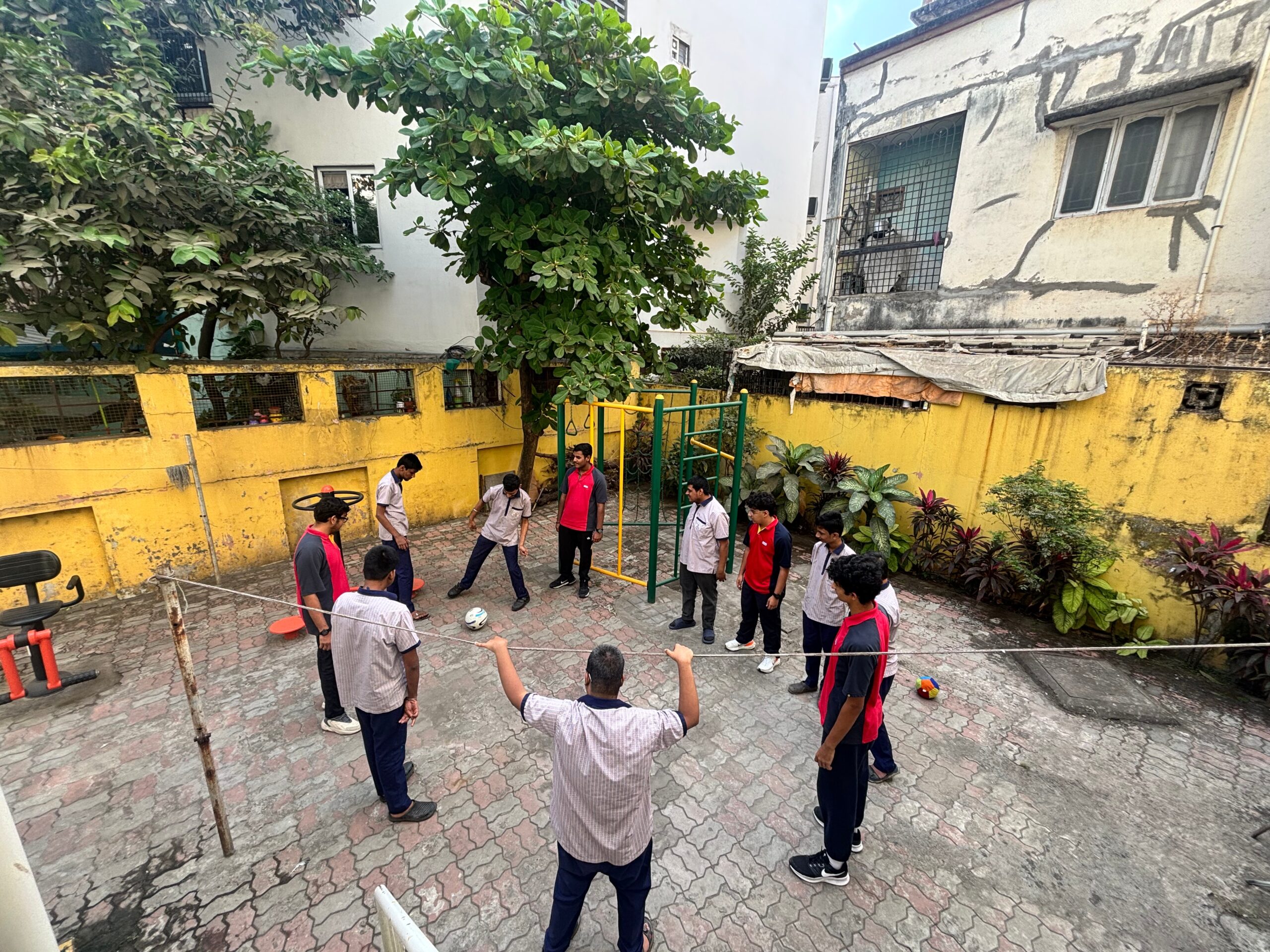
Volunteering at Shilpi School was an insightful and meaningful experience. The school supports students with special needs, ranging from young children to adults. My role involved engaging them in conversations, games, and interactive activities, like art and craft and football creating an environment where they felt included and comfortable expressing themselves. This experience was more than just spending time with them—it was about fostering inclusivity and connection.
LO2 – Demonstrate That Challenges Have Been Undertaken, Developing New Skills in the Process
Interacting with special needs students required patience, adaptability, and strong observational skills. Each student had unique communication styles, making it essential to adjust my approach based on their comfort level. While some were eager to engage, others took time to open up.
Encouraging participation without overwhelming them was a challenge that taught me to be more sensitive to non-verbal cues. Over time, I improved my ability to create a supportive and engaging environment, developing stronger communication and problem-solving skills in the process.
LO6 – Demonstrate Engagement with Issues of Global Significance
The experience highlighted the importance of inclusivity and the social integration of individuals with special needs. Many face challenges in communication and engagement, leading to social isolation.
By participating in activities with them, I contributed to breaking these barriers and fostering a sense of belonging. Simple interactions—whether through games, casual conversations, or just being present—helped make a difference. This experience reinforced the need for increased awareness and initiatives that support the inclusion of individuals with special needs in society.
LO7 – Recognize and Consider the Ethics of Choices and Actions
Creating an inclusive and respectful environment was both a responsibility and an ethical choice. Many students were initially hesitant to interact, so I took the initiative to approach them in a way that made them feel at ease.
Rather than waiting for them to participate, I actively encouraged involvement by modifying activities, using simple communication techniques, and offering reassurance. These small but intentional efforts helped build trust and ensured that every student felt valued and safe. This experience reinforced the significance of treating all individuals with fairness, empathy, and respect, regardless of their abilities.
