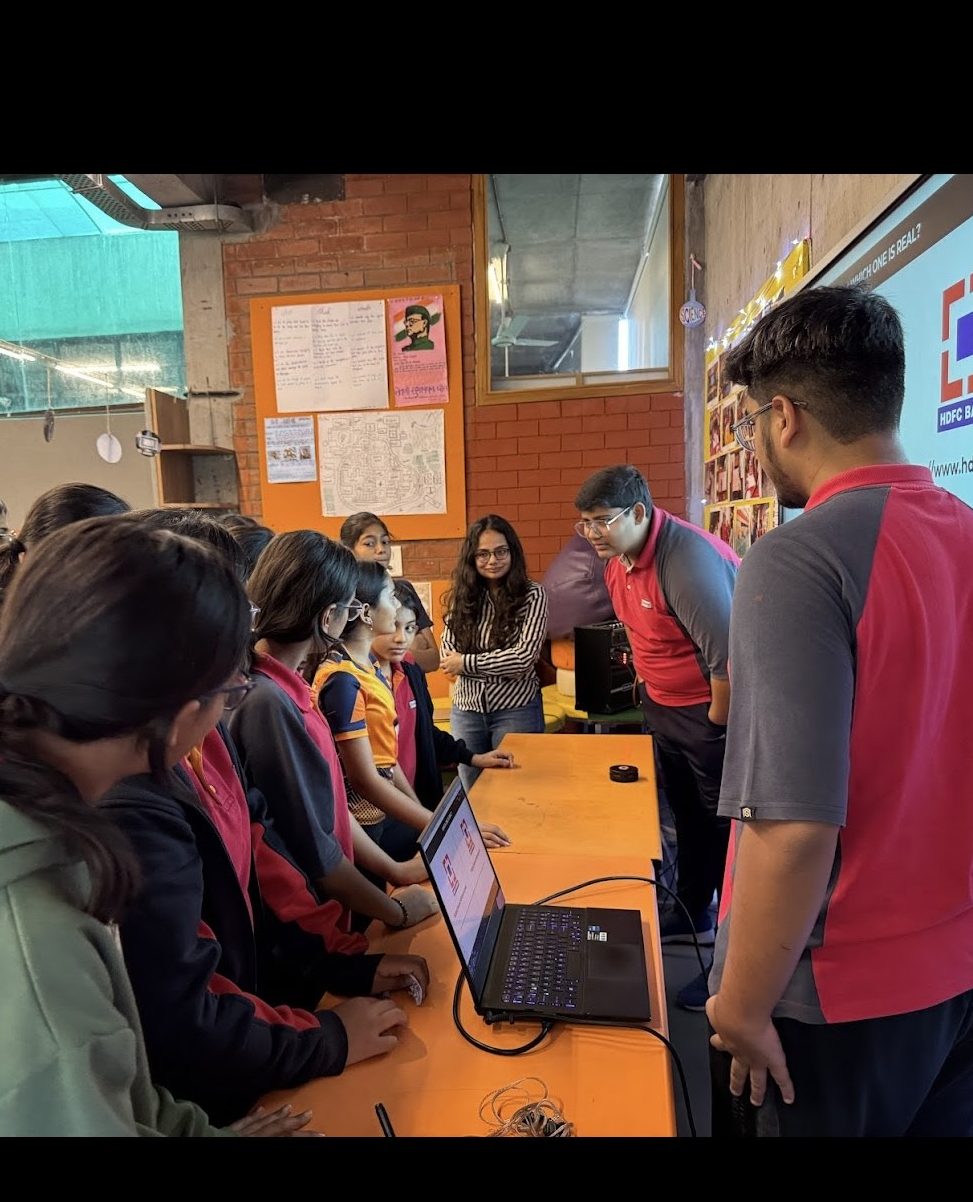
My CAS project was a 4 day school project where me and my peers promoted safe online practices to students from Grades 7 to 10. I had two roles: first, to help in deciding which activities would be part of the event, and second, to host a booth with two peers during the event days. At our booth, we ran two interactive activities: a cybersecurity quiz about safe and unsafe online practices and cyberlaws, and a Jeopardy game based on various cybersecurity-related terms.
LO1: Identify own strengths and develop areas for growth
I discovered that I have a strength in coming up with creative activity ideas that make learning enjoyable. For example, I was able to design quiz questions in a way that was simple yet engaging. However, I found that my weakness was maintaining motivation and energy across four days. Hosting the same booth repeatedly became monotonous at times, which made me realize I need to work on sustaining enthusiasm during long-term projects.
LO2: Demonstrate that challenges have been undertaken, developing new skills in the process
A key challenge was ensuring that the activities were not too technical but still conveyed the importance of cybersecurity. It was also difficult to keep students of different ages (Grades 7–10) engaged and make them understand the relevance of the topic. Overcoming this required me to adapt my communication style, simplify explanations, and make the learning experience fun, which helped me build stronger communication skills.
LO3: Demonstrate how to initiate and plan a CAS experience
The project involved significant planning. As a group, we discussed which activities to include, how to arrange the flow of the workstations, and what resources were required. I contributed by preparing the quiz for our booth, ensuring that the questions aligned with the learning goals of the project. This planning process taught me the importance of structure and preparation when dealing with large-scale projects.
LO4: Show commitment to and perseverance in CAS experiences
This was a 4-day event, requiring consistent commitment. I had to show up each day, stay actively involved, and host the booth repeatedly, even when it became repetitive. This perseverance was necessary to ensure the event remained successful and impactful for all students who participated. It also requierd to miss a lot of subject slots, so I had to manage time later to cover up the missed out portions of my syllabus too.
LO5: Demonstrate the skills and recognize the benefits of working collaboratively
Collaboration was key to this project. While I designed the quiz, my peers worked on the Jeopardy game. Together, we hosted the booth and supported each other in keeping participants engaged. We also collaborated with the larger group to decorate the venue and ensure smooth execution. This experience reinforced that teamwork allows individuals to focus on their strengths while relying on peers for complementary skills.
LO6: Demonstrate engagement with issues of global significance
Cybersecurity is a global issue, as online threats and unsafe practices affect people worldwide. By making younger students aware of safe online behavior, we contributed to tackling a problem that extends far beyond our local context.
LO7: Recognize and consider the ethics of choices and actions
Through this project, we emphasized the ethical side of online behavior (such as respecting privacy, avoiding plagiarism, and using technology responsibly). Teaching these values alongside technical safety tips helped students see cybersecurity not just as protection from harm but also as part of being a responsible digital citizen.
Conclusion
The Cybersecurity Awareness Project helped me realize my creativity in designing engaging activities, while also showing me the challenge of sustaining motivation over multiple days. I grew in planning, teamwork, and public communication, and also understood the value of promoting ethical online practices. This experience highlighted how small actions at a school level can contribute to solving global challenges like cybersecurity.
Evidence: