For my CAS experience, I participated in a volunteering initiative at Shilpi School, where my team and I engaged with autistic and disabled children from different age groups. Our primary responsibility was to interact with them through games and activities, ensuring they felt included and comfortable. Since they faced challenges in understanding instructions, we had to carefully comprehend their responses and simplify explanations so they could participate with ease. This experience allowed me to develop patience, adaptability, and effective communication skills while creating a positive impact on the children’s social and emotional well-being.
LO1 – Identify Own Strengths and Develop Areas for Growth
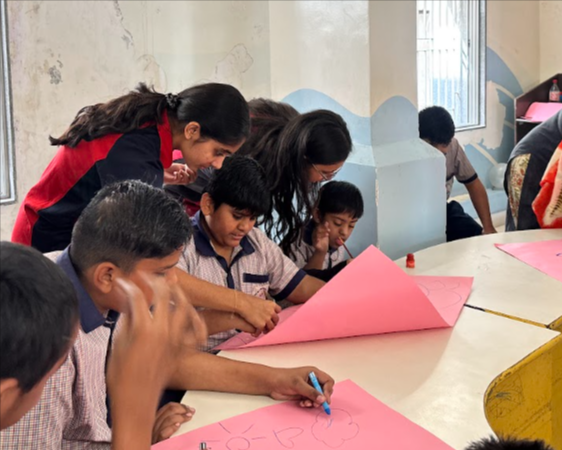
During this experience, I recognized my strengths in patience, empathy, and communication. I found that I could effectively engage with children by adapting my instructions and using non-verbal cues to help them feel at ease. However, I also identified areas for growth, such as developing better ways to simplify complex ideas and improving my ability to handle unexpected behavioral responses. By actively reflecting on my interactions and seeking feedback from my team, I continuously worked on improving my approach to engaging with the children, ensuring they felt included and understood. This directly aligns with the Good Health and Well-being sustainability goal, as my efforts contributed to their emotional and social development. Additionally, this experience strengthened my Caring learner profile attribute, as I showed empathy and support to children who required special attention.
LO2 – Demonstrate That Challenges Have Been Undertaken, Developing New Skills
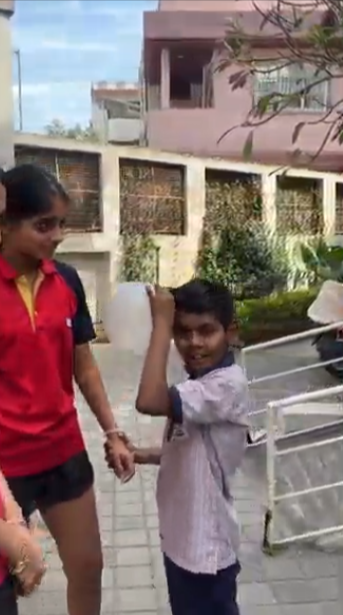
Volunteering at Shilpi School presented various challenges, particularly in communication and engagement. Many children had difficulty understanding verbal instructions, requiring me to find creative ways to interact with them. I developed new skills in non-verbal communication, including gestures, visual cues, and expressive facial communication, to ensure that the children could follow along. Additionally, I learned to remain flexible and adaptable, adjusting my strategies based on each child’s unique needs. This experience helped me enhance my problem-solving abilities and reinforced the importance of perseverance when working with individuals who require special attention. It also contributed to Reducing Inequality, as I played a role in ensuring that children with disabilities had equal opportunities to engage and participate. Furthermore, this experience helped me develop the Communicator learner profile attribute by refining my ability to convey instructions in an inclusive and effective manner.
LO6 – Engagement with Issues of Global Significance
This experience highlighted the global issue of inequality in education and accessibility for children with disabilities. Many autistic and disabled children face challenges in receiving proper support, and this volunteering initiative allowed me to contribute toward making their learning and social experiences more inclusive. By engaging with them and fostering an environment where they felt valued, I became more aware of the need for better accessibility and specialized education programs for children with disabilities. This realization has encouraged me to advocate for inclusive education and seek further opportunities to support individuals with special needs. This aligns with the Reducing Inequality sustainability goal, as I worked to bridge communication gaps and create a more inclusive learning space. Additionally, I developed the Open-Minded learner profile attribute by adapting to different ways of interacting and understanding the unique needs of each child.
LO7 – Recognize and Consider the Ethics of Choices and Actions
During my time at Shilpi School, I had to make ethical decisions regarding how to interact with the children in a respectful and supportive manner. It was important to approach each child with sensitivity and ensure that my actions promoted their dignity and comfort. Additionally, I had to consider the ethical implications of my communication methods, ensuring that they were inclusive and non-discriminatory. This experience reinforced my understanding of ethical responsibility in social work and helped me become more mindful of the impact of my choices on individuals who require special care. By being conscious of my ethical actions, I contributed to Good Health and Well-being, ensuring that the children felt safe, respected, and included. This also helped me develop the Reflective learner profile attribute, as I continuously assessed my approach to engagement and sought ways to improve my effectiveness.