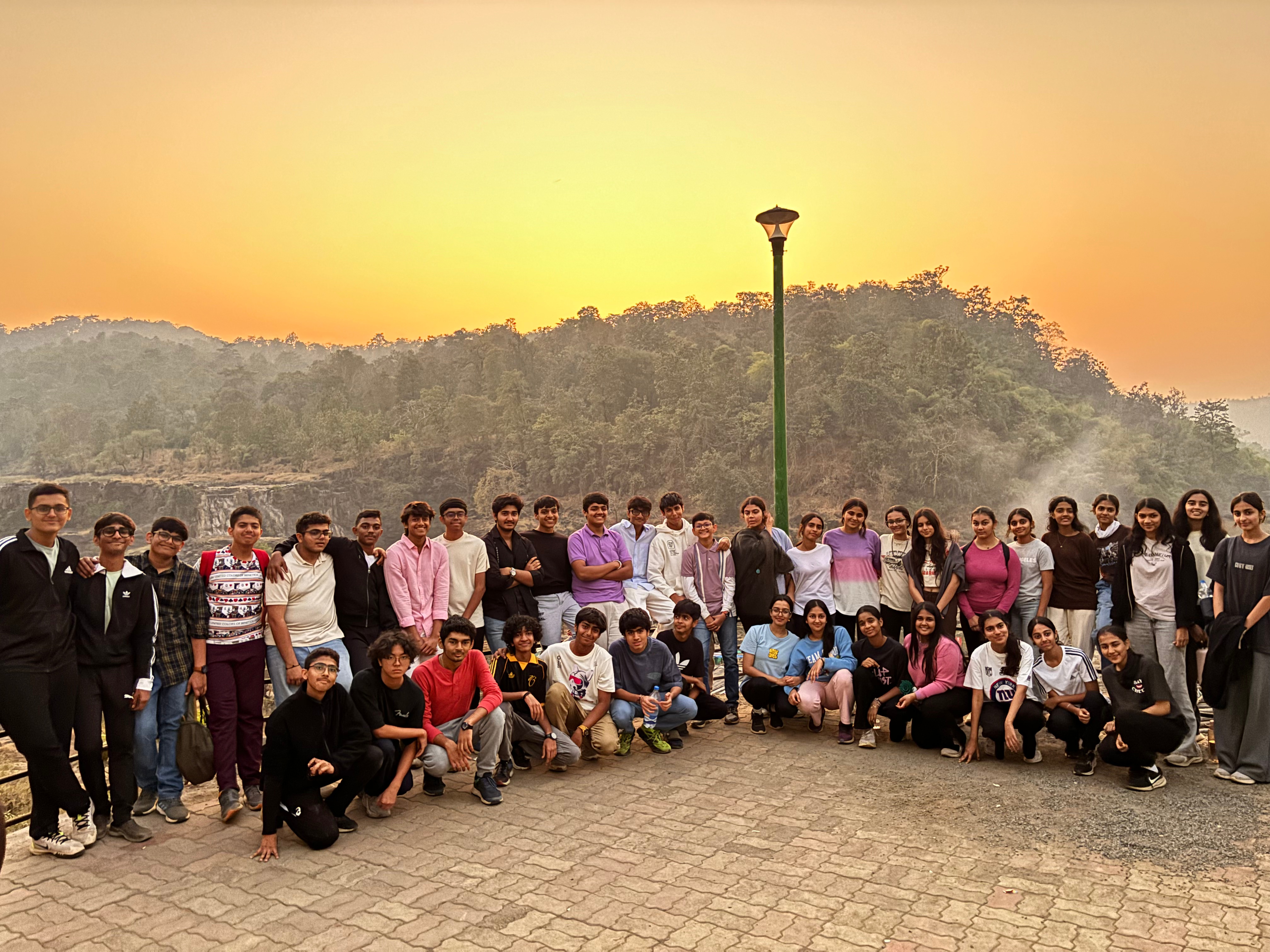
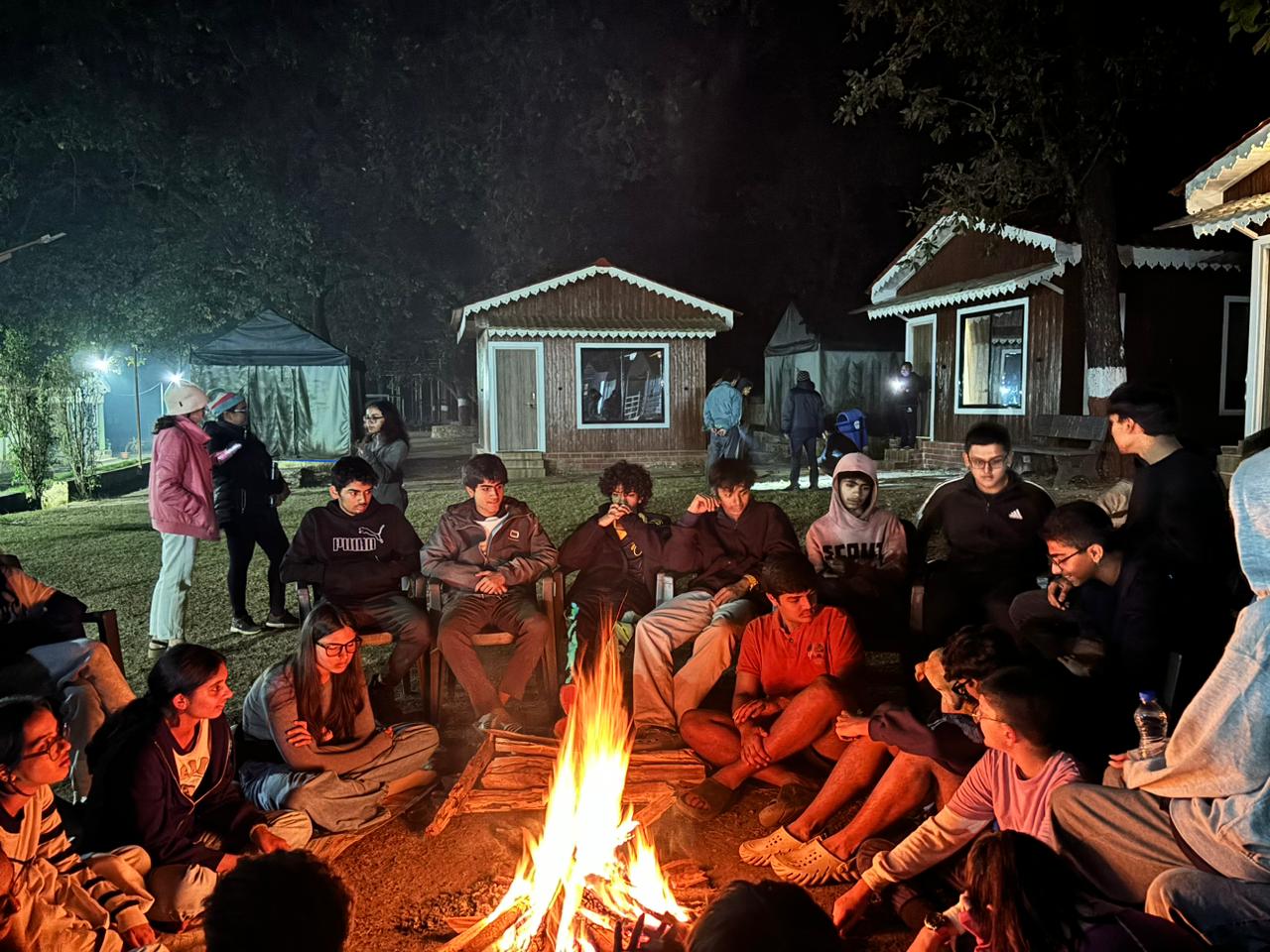
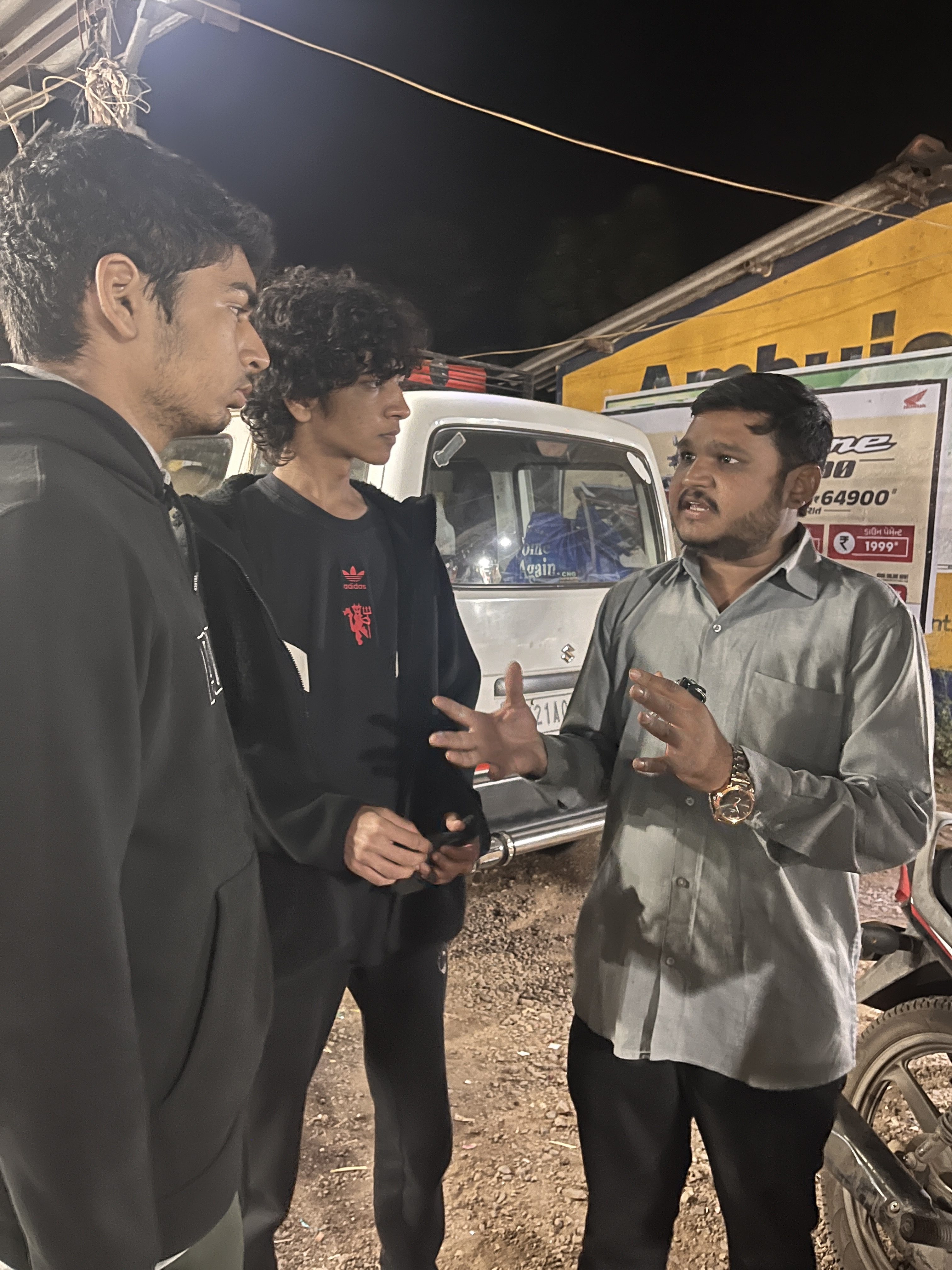
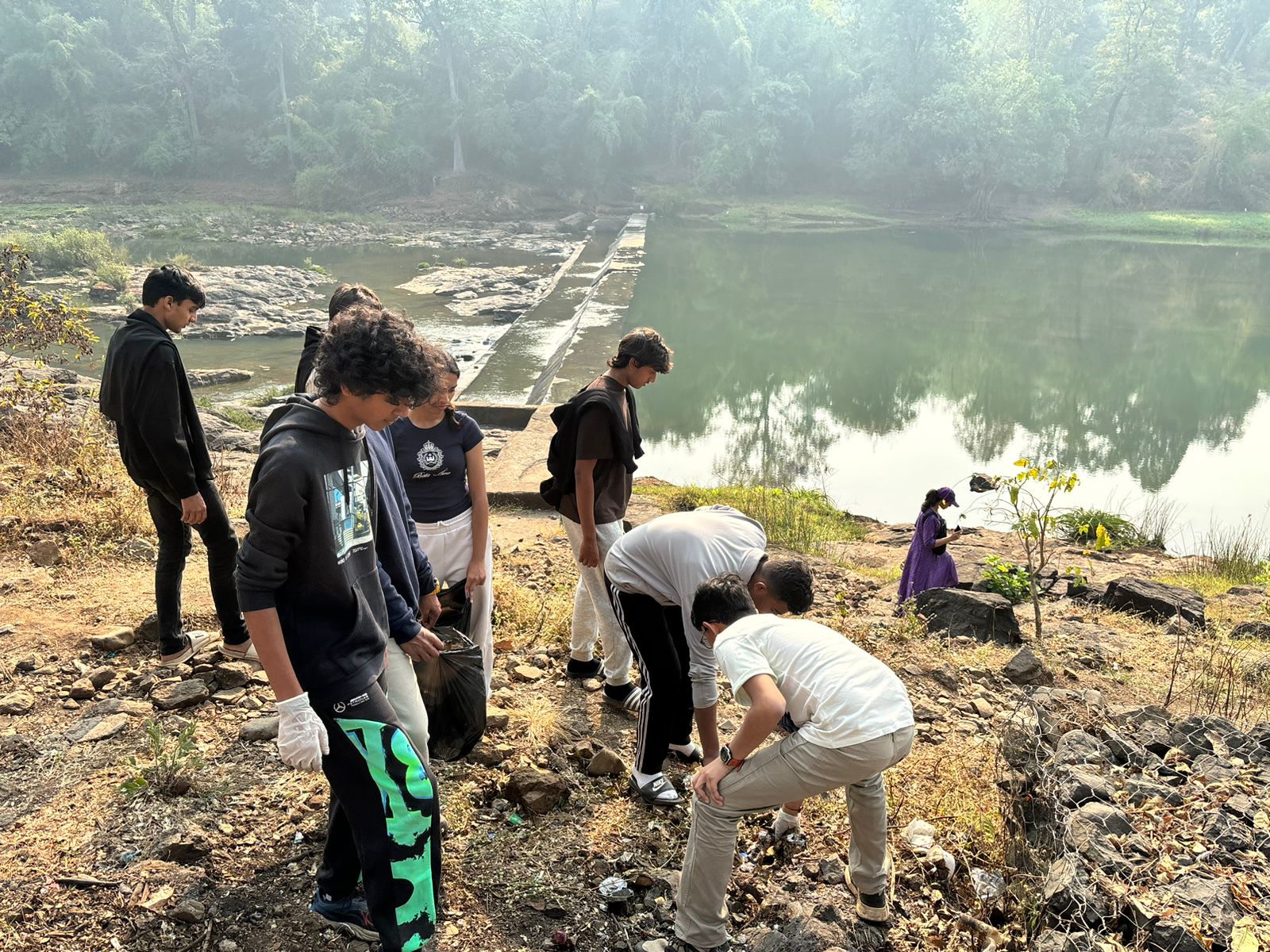
The annual Grade 11 CAS trip was a holistic experience where I engaged in creativity, activity, and service, fulfilling all aspects of the CAS framework. The purpose of the trip was to develop essential skills such as teamwork, adaptability, leadership, and resilience while immersing myself in rural life and contributing to the local community. Through various service activities, adventure challenges, and cultural exchanges, I gained a deeper appreciation for sustainable living, environmental conservation, and the importance of community collaboration.

Some of the activities I participated in included:
- Creativity: Warli painting, wall art, bamboo craft, and local music and dance performances
- Activity: Trekking, river bath, rappelling, farm work, and adventure sports
- Service: Wall painting, interacting with local school students, farm work, and a cleanup drive
- Cultural Exchange: Learning about village life, engaging with local artisans, and participating in traditional dance
- Sustainability Awareness: Understanding farming techniques, visiting Krishi Vigyan Kendra, and turmeric processing unit visit
Learning Outcomes Achieved
LO1: Identify Own Strengths and Develop Areas for Growth
During the trip, I recognized my ability to collaborate with others and take initiative, especially when engaging with school students and villagers. However, I also realized that I need to improve my adaptability in unfamiliar environments, particularly when adjusting to the rural setting. Activities such as wall painting and farm work highlighted my patience and perseverance, while physically demanding tasks like trekking revealed areas where I need to build endurance.
LO2: Demonstrate That Challenges Have Been Undertaken, Developing New Skills in the Process
Many experiences on this trip pushed me beyond my comfort zone. Trekking in rough terrain, participating in rappelling, and trying traditional art forms like Warli painting required both patience and skill. Each activity challenged me in a unique way—while physical endurance was tested in adventure activities, creativity was honed through art and craftwork. Engaging with local students and overcoming language barriers also helped me develop better communication skills.

LO3: Demonstrate How to Initiate and Plan a CAS Experience
The service components of the trip required prior planning and organization. Interacting with school students involved preparing engaging teaching methods, while wall painting and farm work required teamwork and strategy. I also contributed to group discussions, helping plan our daily reflections to ensure that everyone could share their learnings.
LO4: Show Commitment and Perseverance in CAS Experiences
Commitment was evident throughout the trip, particularly during physically and mentally challenging activities. Trekking, farm work, and adventure sports required persistence, as they were demanding experiences that pushed my limits. Despite moments of exhaustion, I remained dedicated to completing every task, whether it was learning a new art form, painting a wall, or participating in reflection sessions.
LO5: Demonstrate the Skills and Recognize the Benefits of Working Collaboratively
Collaboration was a key element of this trip, as many activities depended on teamwork. Whether it was assisting peers during farm work, coordinating with villagers to understand sustainable practices, or participating in group adventure activities, I learned the importance of cooperation. The wall painting project especially required collective effort, as we had to divide tasks efficiently and work together to complete the artwork.
LO6: Demonstrate Engagement With Issues of Global Significance
The trip exposed me to various global issues, including sustainability, conservation, and education disparities. Learning about organic farming methods and environmental conservation efforts at Krishi Vigyan Kendra made me reflect on the importance of sustainable agriculture. Additionally, interacting with local students reinforced the value of accessible education, encouraging me to think about solutions for bridging educational gaps in rural communities.

LO7: Recognize and Consider the Ethics of Choices and Actions
Ethical responsibility was crucial in all interactions with the villagers and local students. I was mindful of engaging with them in a respectful and meaningful way, ensuring that our service activities were beneficial rather than imposing external perspectives. The cultural exchange also required sensitivity, as I aimed to appreciate and learn from their traditions rather than view them through an outsider’s lens.
Learner Profile Attributes Developed
Throughout this experience, I demonstrated several IB Learner Profile attributes. I embodied the Thinker attribute by critically engaging with sustainability issues and understanding the challenges faced by rural communities, particularly in terms of education and environmental conservation. By learning traditional crafts like Warli painting and bamboo weaving, as well as gaining insight into sustainable farming techniques, I became more Knowledgeable, appreciating the historical and cultural significance of these practices. The experience also strengthened my ability as a Communicator, as I had to effectively interact with local school students, villagers, and artisans despite language barriers, ensuring that our exchanges were meaningful and engaging.
Maintaining a balance between the physically demanding aspects of the trip, such as trekking and farm work, and the creative and cultural components, like traditional art and music, helped me develop as a Balanced individual, ensuring that I engaged holistically with the experience. The trip also required me to be Reflective, as our daily discussions encouraged me to analyze my learning, recognize my personal growth, and consider how my experiences connected to larger global issues. By the end of the journey, I had gained not only new skills and knowledge but also a deeper understanding of my responsibilities in contributing to positive change.
Final Takeaway
This CAS trip was a transformative experience that not only challenged me physically and mentally but also deepened my awareness of cultural and environmental issues. Through creativity, activity, and service, I developed essential life skills such as teamwork, adaptability, and ethical responsibility. The experience reinforced my commitment to continuous learning, self-improvement, and contributing positively to society.