We experienced a combination of creativity, physical difficulties, and community service during our CAS voyage, which ran from December 16 to December 21. This blog examines how the experiences relate to the six CAS learning objectives of the IB curriculum.
LO1. Identify your own strengths and develop areas for personal growth.
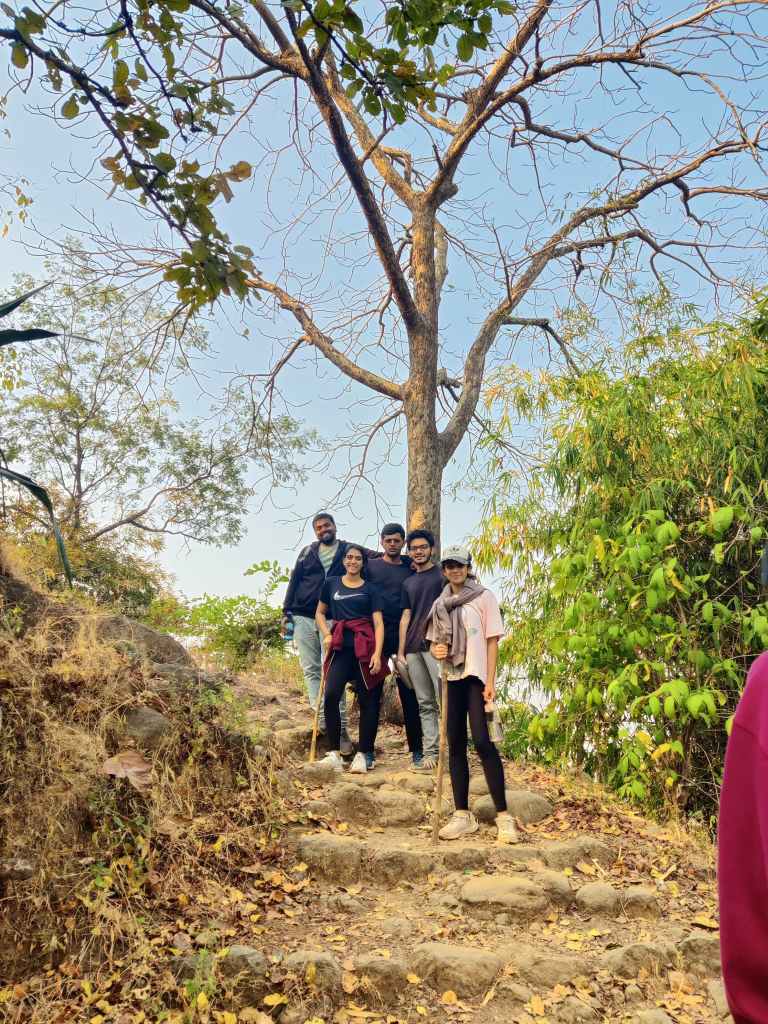
The rock climbing and rappelling activities in Toraniyo Dungar were pivotal events in my self-discovery. Pushing myself to overcome fear and physical hurdles demonstrated my resilience while also revealing areas for improvement, such as balance and mental focus. The event was both humbling and motivating, demonstrating my ability to face adversity.
LO2. Demonstrate that challenges have been undertaken, developing new skills in the process.
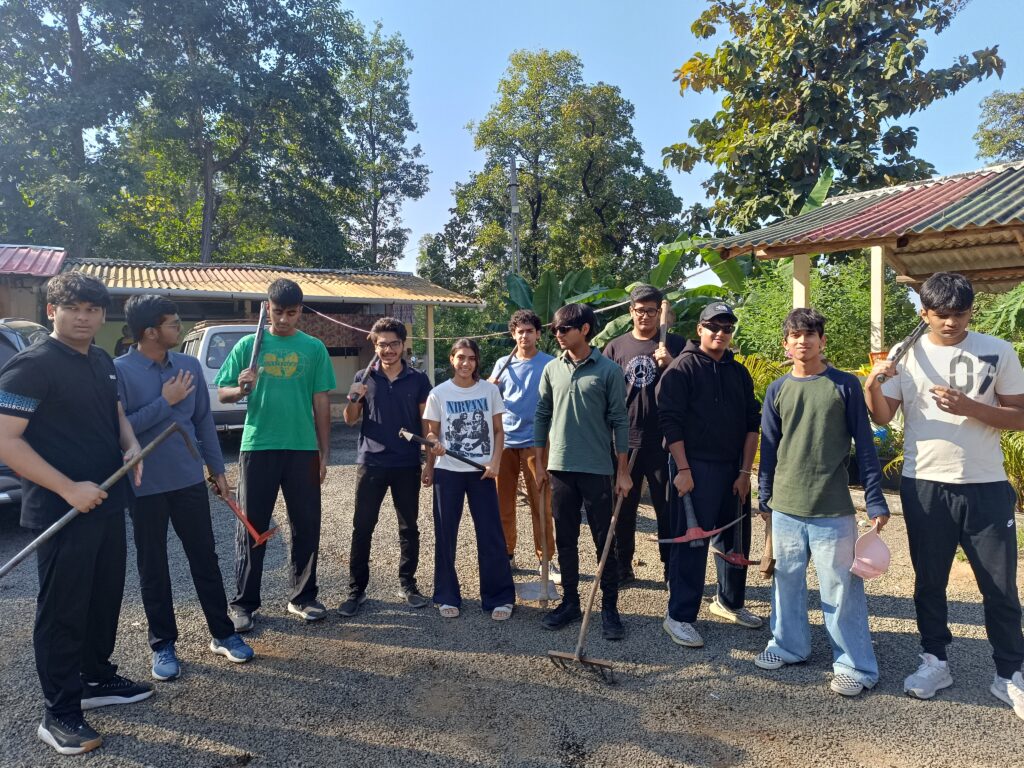
From farming at Ambika Hardar Farm to learning about traditional music and dances with local artists, each day of the trip offered new experiences that forced me to step outside of my comfort zone and embrace activities I had never tried before. Whether it was using farm equipment or taking part in cultural performances, doing new things made me realise how much fun and growth it can bring.
LO4. Show commitment to and perseverance in CAS experiences.
I was exhausted and uninterested after the seemingly difficult hike to Toraniyo Dungar. Everyone was shocked to learn that we would be climbing over a thousand stairs. I often wanted to give up, but with breaks and pure willpower, we pushed on, step by step. I came to understand the strength of dedication and perseverance while goal-focused at the summit. Cow dung Lipan art presented us with yet another obstacle on the third day. The stink overwhelmed me, and I pondered how the people dealt with this on a regular basis. Despite my initial reluctance, I made myself accept it. After I started pasting cow poo on the wall I was given, I made sure to finish it completely and without complaining. Despite the awful experience, I’m happy that I helped make the villagers’ homes better; it’s a sentimental, although repulsive, memory.
LO5. Demonstrate the skills and recognize the benefits of working collaboratively.
A recurring topic during the trip was cooperation. Collaboration and respect for one another were necessary for the wall painting, the bamboo craft, the cow dung Lipan, and the preparation of the skit. Collaborating with locals and peers allowed us to learn from each other’s skills and accomplish shared objectives.
LO6. Demonstrate engagement with issues of global significance.
The significance of sustainability and moral behaviour was brought home by a visit to the bamboo craft market and the turmeric processing facility. The importance of supporting eco-friendly companies and maintaining traditional crafts on a global scale was highlighted by learning about how these local industries assist the economy while protecting the environment.
LO7. Recognize and consider the ethics of choices and actions.
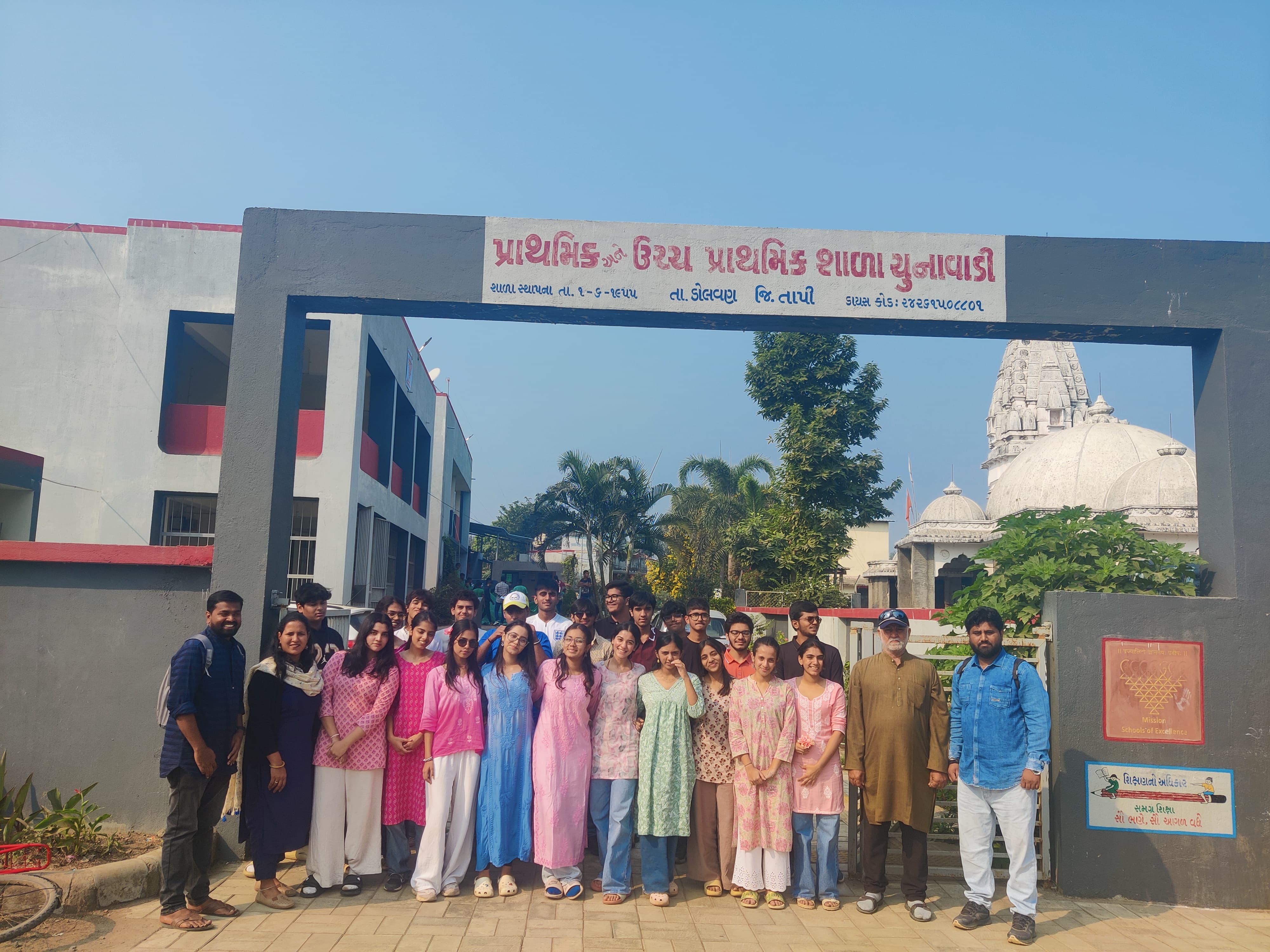
We had the chance to reflect carefully on our activities during the daily reflection sessions. I became aware of the ethical responsibility we bear in every action after cleaning the wall, interacting with the neighbourhood, and learning about their way of life. My sense of responsibility and empathy for other people have grown as a result of these reflections.
Conclusion
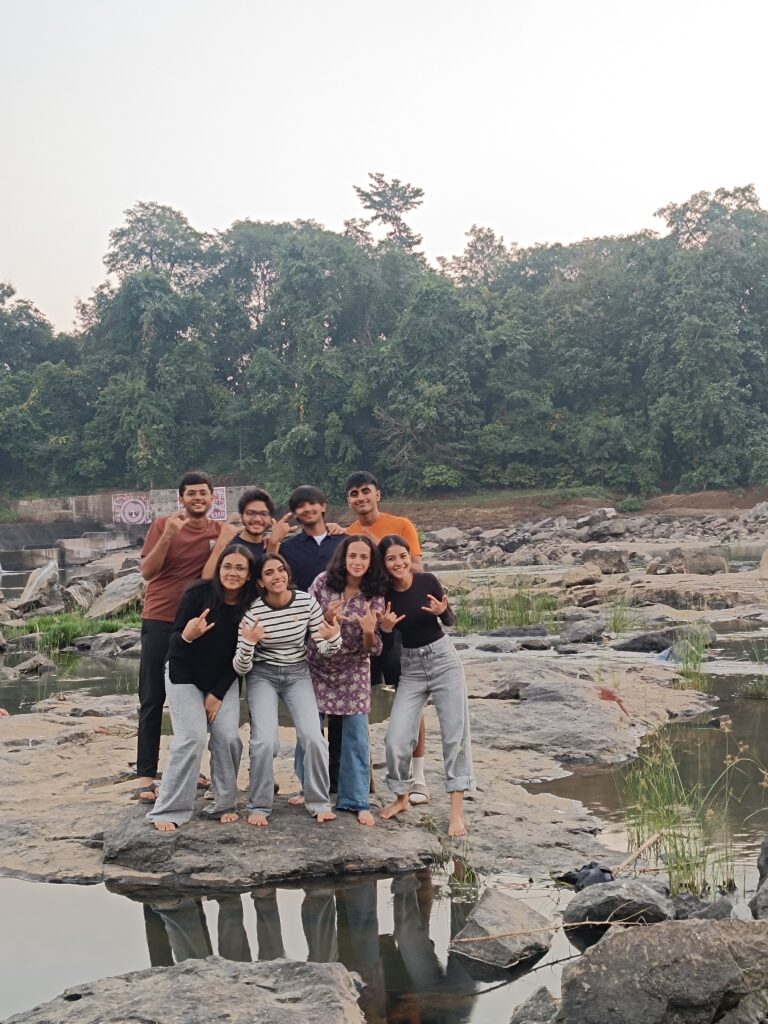
Beyond a simple trip, this CAS experience was a voyage of personal growth, cooperation, and service. I was able to expand my perspective on the world and my role in it by taking on new challenges, working with others, and reflecting deeply. Every exercise served as a step towards developing oneself. This trip has been incredibly life-changing, motivating me to take on new challenges, behave properly, and make a significant contribution to society.