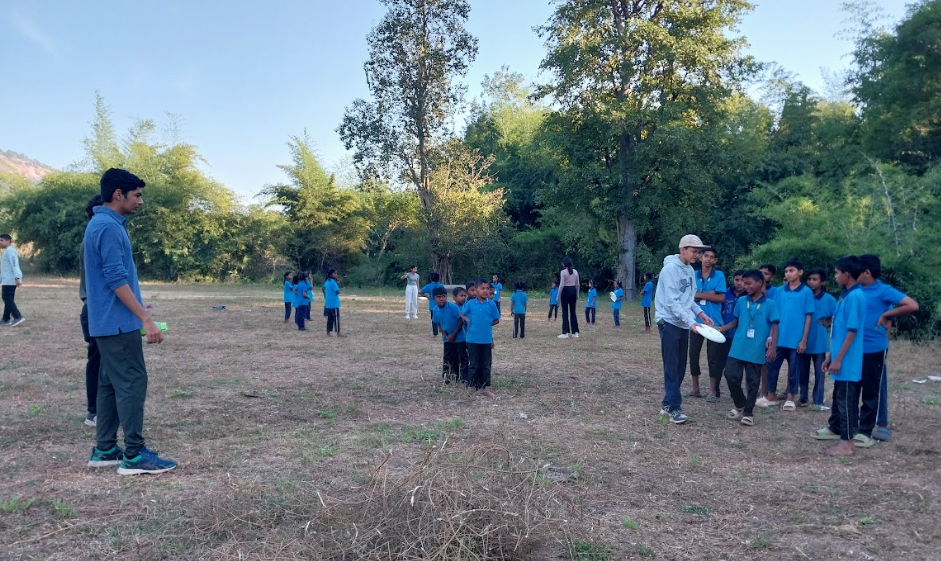
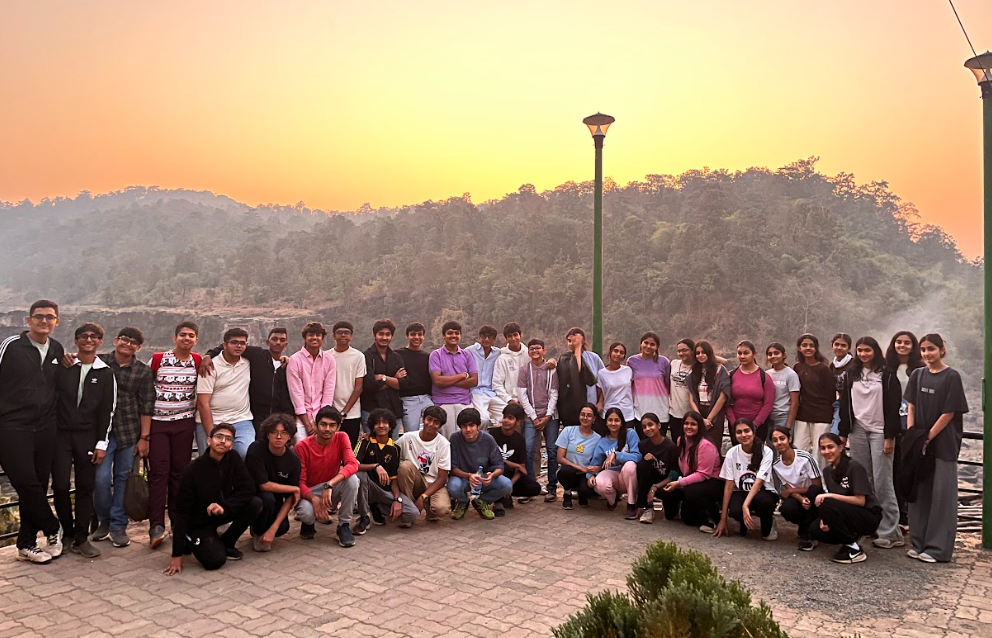
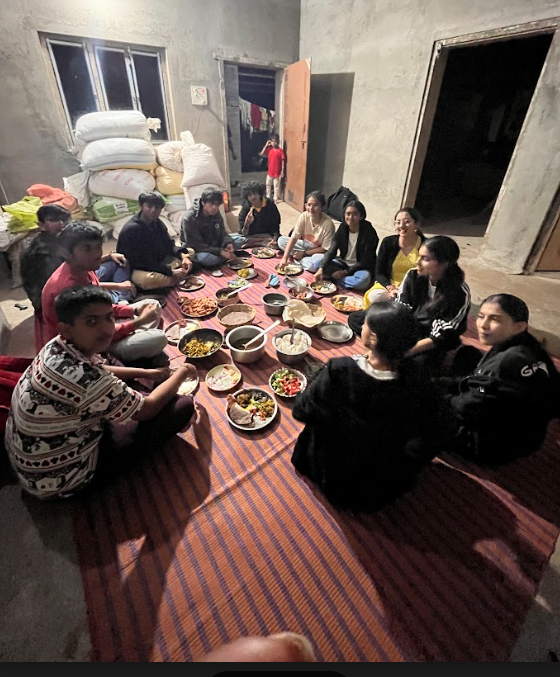
The CAS (Creativity, Activity, Service) trip to Kilad Campsite was an enriching and transformative experience that offered us a deeper understanding of rural life and its challenges. Immersing ourselves in the simplicity of the village, engaging with the local community, and stepping away from our urban comforts allowed us to develop essential life skills and a broader perspective on social responsibility. Throughout this journey, we actively engaged with all seven Learning Outcomes (LO) of CAS, making this experience one of the most meaningful aspects of our IB journey.
Identify Own Strengths and Develop Areas for Growth (LO1)
During the trip, we faced multiple situations that allowed us to recognize our strengths and areas for improvement. For some, adaptability and resilience stood out as they adjusted quickly to the new environment. Others identified their leadership abilities while organizing activities and coordinating group efforts. At the same time, certain challenges highlighted skills that needed improvement, such as effective communication and problem-solving in unfamiliar settings. This self-awareness helped us understand our capabilities and identify areas for personal growth.
Demonstrate That Challenges Have Been Undertaken, Developing New Skills (LO2)
The immersion experience was filled with challenges that tested our endurance and adaptability. Simple activities such as adjusting to limited resources, working in physically demanding conditions, and communicating with the villagers in their native language pushed us out of our comfort zones. However, overcoming these obstacles helped us develop valuable skills such as patience, perseverance, and teamwork. Learning to engage with a community so different from our own was an eye-opening and skill-enhancing experience.
Initiate and Plan a CAS Experience (LO3)
A significant part of our experience involved planning and initiating various activities for the local community. From organizing educational sessions for children to engaging in environmental conservation efforts, we took responsibility for designing and executing meaningful projects. Coordinating these initiatives required strategic thinking, effective delegation, and problem-solving, all of which contributed to our growth as planners and organizers. This aspect of the trip reinforced the importance of preparation and proactive engagement in community service.
Show Perseverance and Commitment in CAS Experience (LO4)
Many of the tasks we undertook required sustained effort and dedication. Activities like assisting in farming, constructing basic infrastructure, and participating in conservation projects demanded continuous commitment. Despite the physical fatigue and mental exhaustion, we remained focused on our responsibilities, understanding that perseverance leads to tangible results. This experience reinforced the significance of dedication and the long-term impact of sustained community service.
Demonstrate Skills and Benefits of Working Collaboratively (LO5)
Collaboration was at the heart of our experience in Kilad. Whether it was working alongside peers to complete service projects, engaging with the villagers to understand their needs, or managing responsibilities within our group, teamwork played a crucial role. The trip provided a platform to develop communication, coordination, and cooperation skills, showing us that collective effort leads to more effective solutions and a greater impact. This experience emphasized the importance of working together to achieve common goals.
Demonstrate Engagement with Issues of Global Significance (LO6)
While the experience was localized, it highlighted broader global issues such as rural development, education accessibility, and environmental sustainability. Seeing firsthand the struggles of limited resources and infrastructural gaps deepened our understanding of socio-economic inequalities and environmental challenges faced by rural communities worldwide. Engaging in service activities, we realized how small contributions at a grassroots level could contribute to addressing these global concerns.
Recognizing and Considering the Ethics of Choices and Actions (LO7)
Throughout our stay, ethical considerations were a constant part of our decision-making. We ensured that our activities aligned with the needs and values of the local community, avoiding any form of disruption or imposition. Respecting the villagers’ cultural traditions, ensuring sustainable contributions, and engaging in environmentally friendly practices reinforced our sense of ethical responsibility. This experience made us more conscious of how our actions impact others and emphasized the importance of ethical service work.
Conclusion
The Kilad rural immersion experience was more than just a trip—it was a journey of self-discovery, skill-building, and meaningful service. By engaging with all seven Learning Outcomes, we expanded our perspectives, challenged ourselves in new ways, and developed a stronger sense of social responsibility. The experience underscored the value of perseverance, collaboration, ethical awareness, and global engagement, making it a truly unforgettable part of our CAS journey. This experience has left a lasting impact, reminding us that true learning and growth happen beyond the classroom, in the heart of real-world experiences.