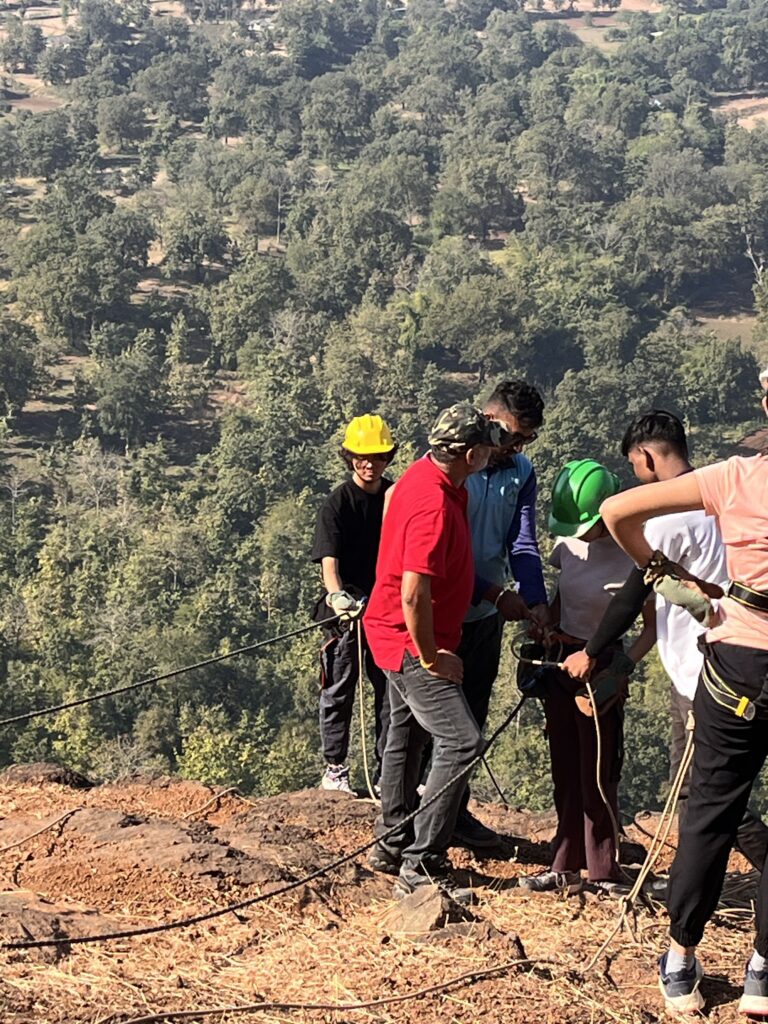
The CAS trip was a life-changing journey filled with diverse experiences and learning opportunities. From exploring traditional crafts and local customs to engaging in meaningful service activities, I personally grew a lot and was able to contribute to the community. We immersed ourselves in the culture of Kilad and rural Dang villages, teaching and playing with local students, visiting farms, and discovering the art of bamboo work and Warli painting. We also participated in adventure activities like trekking, rappelling, and assimilated into local life in a way that was both fulfilling and enlightening.
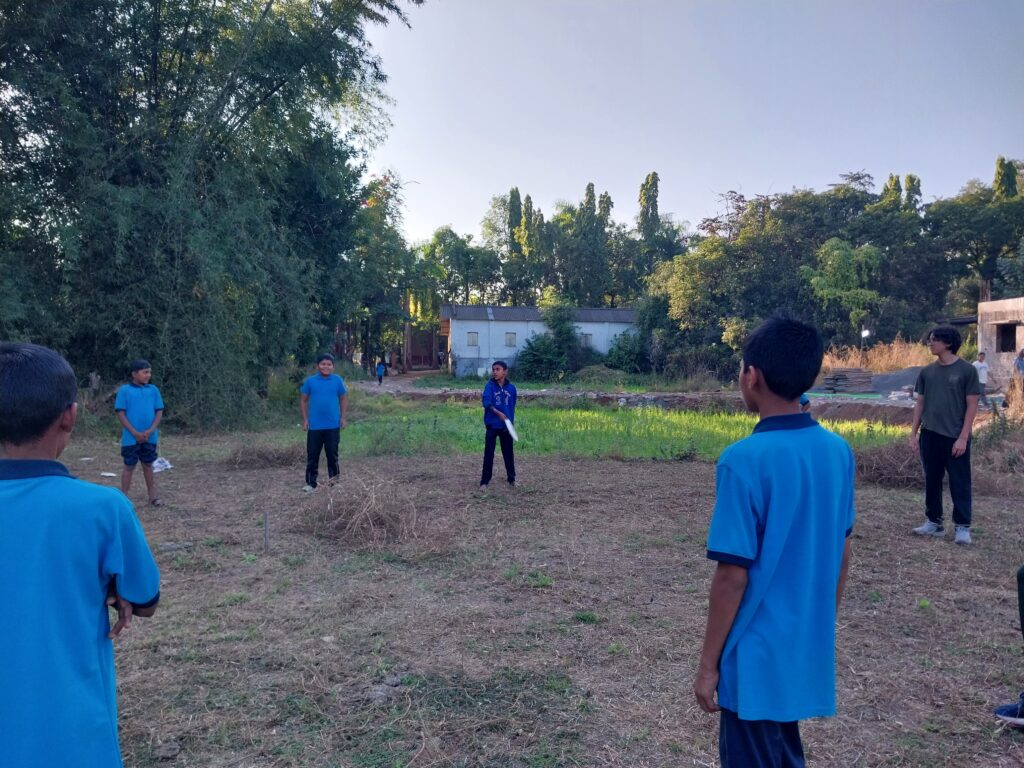
Learning Outcome 1 (LO1): Identify own strengths and develop areas for growth
Throughout the trip, we had the opportunity to challenge ourselves physically, mentally, and emotionally. We encountered tough treks with many falls and physically demanding farm work. We quickly identified our strengths of perseverance and teamwork, along with ways we could improve, such as communication skills and physical strain during intense activities. Through each new experience, we were able to stretch our limits and work on areas that needed improvement, allowing for personal growth and reflection.
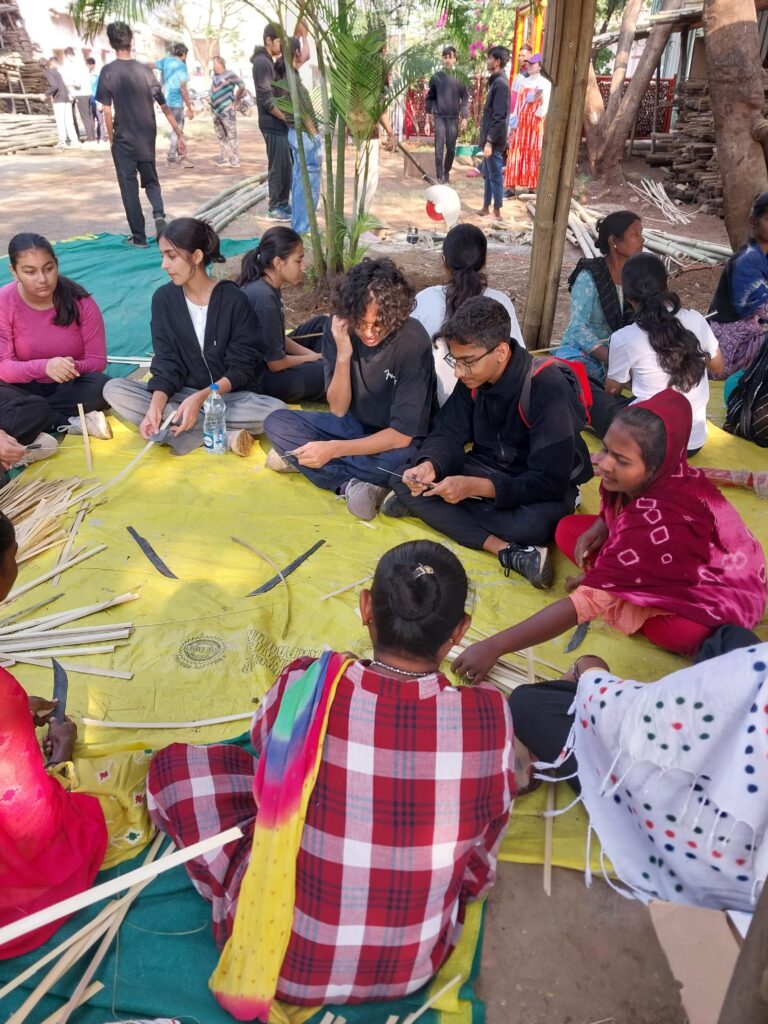
Learning Outcome 2 (LO2): Demonstrate that challenges have been undertaken, developing new skills in the process
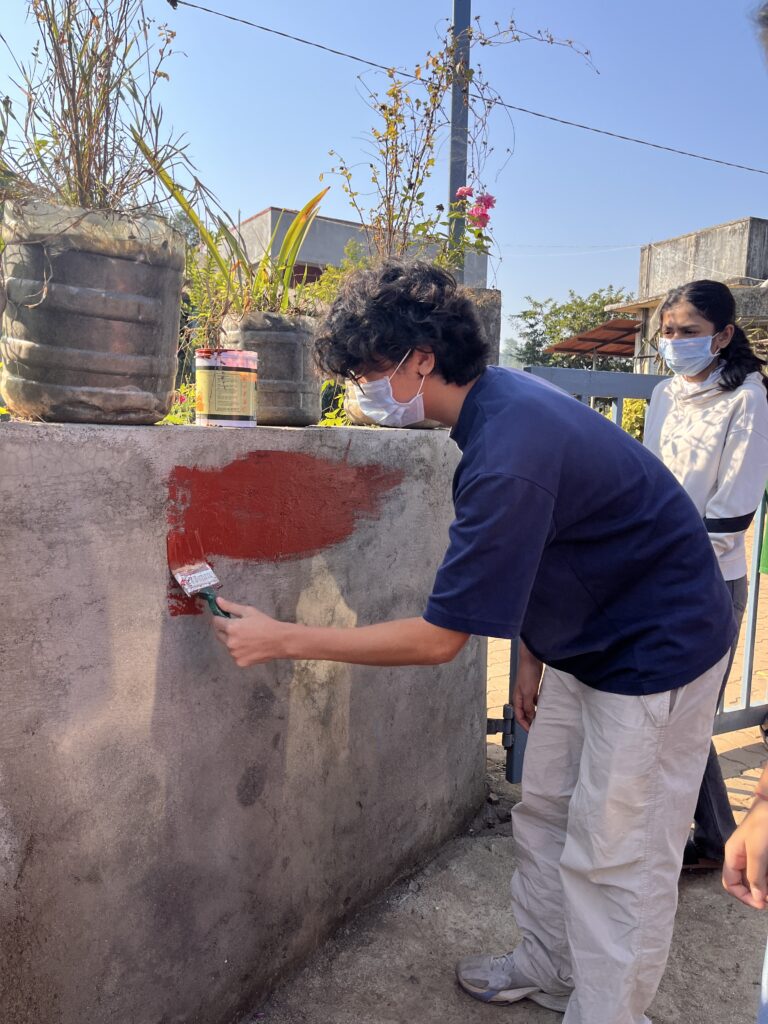
The trip involved numerous challenges that pushed us out of our comfort zones. For instance, doing farm work in the heat of the day, and the skills required for rappelling and wall painting were new to many of us. However, through teamwork and dedication, we overcame these challenges, developing valuable new skills such as artistic expression through Warli art and the technical skills behind bamboo crafting, stuff that we can use in our futures as well.
Learning Outcome 3 (LO3): Demonstrate how to initiate and plan a CAS experience
Planning and organizing the various activities throughout the trip required careful coordination from all of our ends. One example of this was creating the skit to be performed at the local school. We had to come up with an idea, practice the execution, and ensure that it was sending a strong message to the kids. Overall, the process taught us the importance of time management, collaboration, and detailed planning. Each team member divided up the different responsibilities, making sure that each and every aspect of the trip was covered. This clearly displays our ability to plan, initiate, and carry out a CAS experience effectively.
Learning Outcome 4 (LO4): Show commitment and perseverance in CAS experiences
We showed a high level of commitment and perseverance during the trip, especially during the more physically demanding activities. From early morning wake-up calls at 5 am to long treks and physical tasks like cow dung Lipan and farm work, we remained dedicated to each task, understanding the value of hard work and resilience. Even through the challenges and difficult tasks, our commitment to completing each activity to the best of our ability helped us achieve both personal growth and contribute meaningfully to the community we were visiting.
Learning Outcome 5 (LO5): Demonstrate the skills and recognize the benefits of working collaboratively
Collaboration was extremely central to the success of the trip and overall enjoyment. We worked closely with the local community, including school children, artisans, and farmers, learning from them while also sharing our own knowledge and skills. While performing the skit play, wall painting, and bamboo crafting, we required teamwork and a willingness to listen and learn from others with strong communication skills. Through this collaboration and working together, we were able to produce meaningful results, and we saw firsthand how cooperation strengthens relationships and fosters positive outcomes for all involved.
Learning Outcome 6 (LO6): Demonstrate engagement with issues of global significance
Our trip was not just about fun and adventure, but also about engaging with global issues such as sustainability, cultural preservation, and community development. These are huge problems that affect people worldwide, and we were able to witness them firsthand. Visiting the turmeric processing unit, learning about local farming practices, and participating in environmental activities like river baths and farm work allowed us to understand the importance of sustainable living. The Warli art and bamboo work were prime examples on how traditional crafts can be central to maintaining cultural heritage. When we talked to the traditional instrument players, they said that the youth is forgetting about these cultural practices and would rather stay at home with their phones. We left with a deeper awareness of the global significance of preserving both cultural and environmental resources.
Learning Outcome 7 (LO7): Recognize and consider the ethical implications of our actions
Throughout the trip, we were sure to be mindful of the ethical implications of our actions, particularly when interacting with the local community. One of the main points that the teachers had told us was to be respectful of the villagers and their lifestyles. By respecting local traditions, participating in service activities, and ensuring our actions were in line with the values of the people we met, we were able to reflect on how we impact the communities we engage with. Activities like visiting local markets, eating at local homes, and staying with villagers taught us about responsible tourism, ethical consumption, and the importance of respecting other cultures and ways of life. We were truly able to assimilate into their lives and understand a semblance of their daily lives, which helped us to empathize with them.