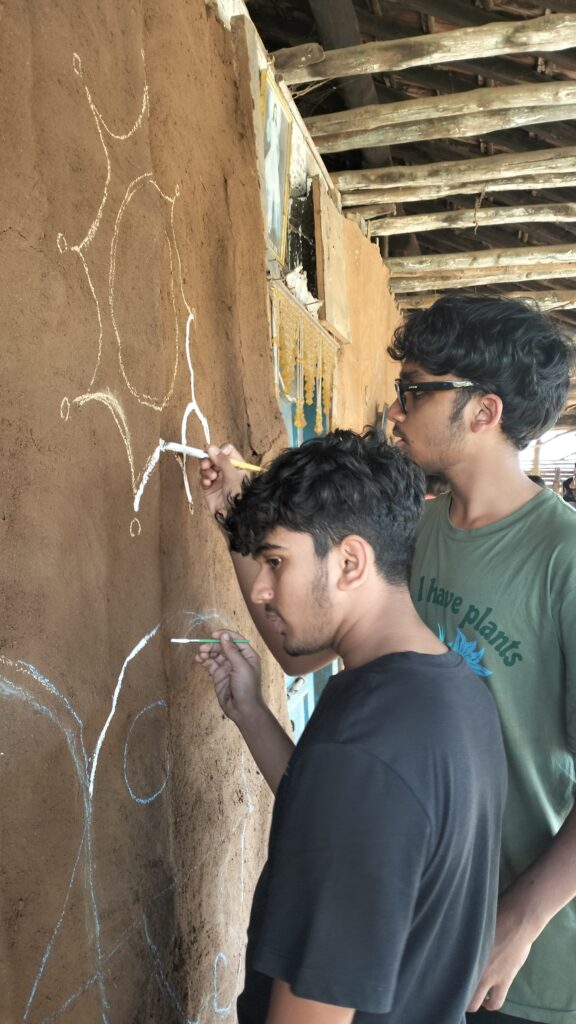
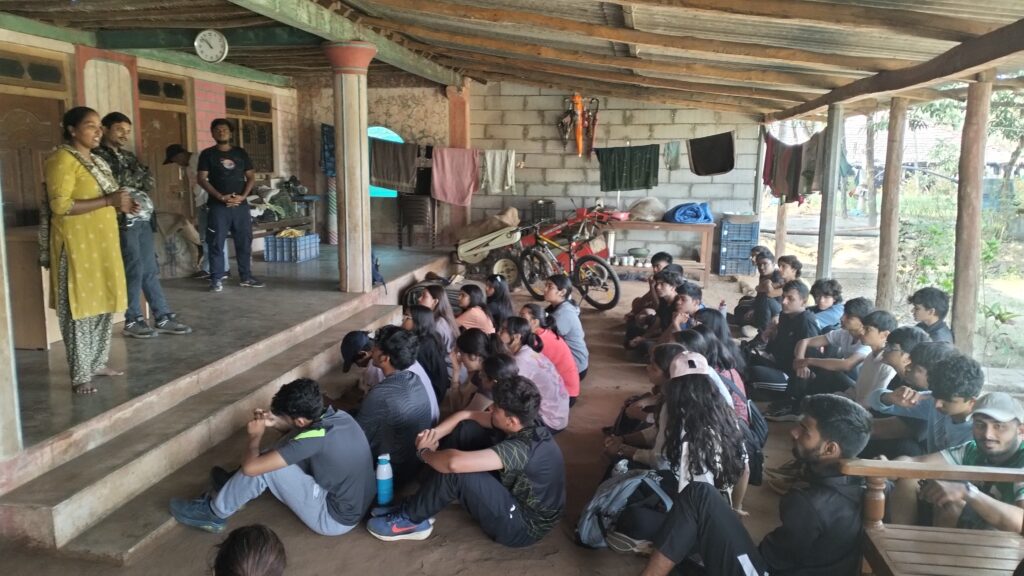
Embarking on a rural immersion in Ambapani, a quaint village nestled in Gujarat’s Tapi district, was an enlightening experience that bridged cultural exchange and personal growth. Over the course of our visit, we engaged in diverse activities: introducing local children to the sport of frisbee, delving into traditional straw crafts, participating in rifle shooting and obstacle courses, and exploring the intricate art of mud lipan. Each endeavor not only fostered mutual learning but also aligned seamlessly with the IB CAS learning outcomes, enriching our understanding and appreciation of this vibrant community.
1. Identifying Strengths and Areas for Growth
Teaching frisbee to children unfamiliar with the sport required patience, clear communication, and adaptability. I discovered a natural ability to connect with the kids, making the learning process enjoyable and effective. However, I also recognized the need to enhance my instructional techniques to cater to varying learning paces. This realization has motivated me to develop more inclusive teaching strategies, ensuring that all participants feel supported and encouraged.
2. Undertaking Challenges and Developing New Skills
Engaging in traditional straw craft and mud lipan art presented a steep learning curve, as these art forms require meticulous attention to detail and a steady hand. Under the guidance of local artisans, I honed my fine motor skills and gained an appreciation for the cultural significance embedded in these crafts. Participating in rifle shooting and obstacle courses further pushed me out of my comfort zone, enhancing my focus, coordination, and physical endurance.
3. Initiating and Planning a CAS Experience
Coordinating the frisbee workshop involved careful planning and collaboration with local educators to integrate the activity into the children’s routine. We organized a session that balanced instruction with play, ensuring the children remained engaged and enthusiastic. This initiative required logistical planning, resource allocation, and time management, culminating in a successful and enjoyable learning experience for the participants.
4. Showing Commitment and Perseverance
Mastering the intricacies of mud lipan art was a testament to dedication and perseverance. The process involved molding clay a skill that demanded patience. Despite initial challenges, I remained committed to learning, resulting in a tangible piece of art that symbolizes both personal achievement and cultural appreciation.
5. Demonstrating Collaborative Skills
Our immersion thrived on collaboration with the villagers, whose warmth and willingness to share their knowledge enriched our experience. Working alongside local artisans in straw craft sessions fostered a mutual exchange of ideas and techniques. This partnership not only enhanced our learning but also strengthened communal bonds, highlighting the value of teamwork and shared purpose.
6. Engaging with Issues of Global Significance
Introducing frisbee to the children addressed the global concern of promoting physical activity and healthy lifestyles among youth. By encouraging outdoor play, we contributed to their physical well-being and social development. Additionally, our involvement in preserving traditional crafts like straw work and mud lipan art underscored the importance of cultural heritage conservation in an increasingly homogenized world.
7. Considering the Ethics of Choices and Actions
Throughout our stay, we were mindful of respecting local customs and traditions. Engaging in activities such as rifle shooting was approached with caution, ensuring all safety protocols were strictly followed to prevent any harm. Our interactions were grounded in cultural sensitivity, acknowledging the villagers’ generosity and ensuring our presence had a positive impact on the community.