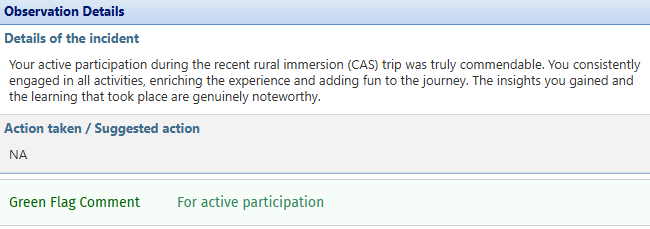
From December 16 to December 21, our CAS journey took us through a mix of creativity, physical challenges, and community service. This blog reflects on how the experiences align with the seven CAS learning outcomes of the IB program.
1. Identify your own strengths and develop areas for personal growth.
The rock climbing and rappelling activities at Toraniyo Dungar were key moments of self-discovery. Pushing myself to overcome fear and physical challenges highlighted my perseverance while identifying areas that I can develop further, such as improving balance and mental focus. The experience was both humbling and empowering, proving how capable I could be when faced with challenges.
2. Demonstrate that challenges have been undertaken, developing new skills in the process.
Every day of the trip brought new experiences, from farming at Ambika Hardar Farm to learning about traditional music and dances with local artists. These challenges required stepping out of my comfort zone and embracing activities I had never tried before. Whether it was handling farm tools or participating in cultural performances, I realized the joy and growth that come with trying new things.
3. Demonstrate how to initiate and plan a CAS experience.
Planning and organising our engagement with the local community at the campsite for wall cleaning on Day 1 was an important part of the experience. It involved brainstorming ways to make a long-term impact, gathering resources, and collaborating with peers. This taught me the value of effective planning and coordination in ensuring the success of meaningful activities.
4. Show commitment to and perseverance in CAS experiences.
The entire journey was a testament to perseverance, from early wake-up calls to physically demanding activities like hiking, farming, and wall painting. Completing these tasks, despite moments of fatigue, reinforced the importance of staying committed to my goals.
5. Demonstrate the skills and recognize the benefits of working collaboratively.
Collaboration was a consistent theme throughout the journey. The wall painting, the bamboo craft, cow dung Lipan, and skit preparation required teamwork and mutual respect. Working alongside peers and locals helped us achieve collective goals while learning from one another’s strengths.
6. Demonstrate engagement with issues of global significance.
Visiting the turmeric processing unit and the bamboo craft market highlighted the importance of sustainability and ethical practices. Learning about how these local industries contribute to the economy while preserving the environment emphasized the global significance of supporting eco-friendly businesses and preserving traditional crafts.
7. Recognize and consider the ethics of choices and actions.
The reflection sessions at the end of each day provided an opportunity to think deeply about our actions. Cleaning the wall, engaging with the local community, and learning about their way of life made me realise the ethical responsibility we carry in every action. These reflections helped me develop a deeper sense of accountability and empathy toward others.
Conclusion
This CAS experience was more than just a trip; it was a journey of self-discovery, teamwork, and service. Through new challenges, collaborative efforts, and deep reflection, I gained a broader understanding of the world and my place in it. Each activity was a step toward personal growth. This journey has truly been transformative, inspiring me to embrace challenges, act responsibly, and contribute meaningfully to the community.