Introduction
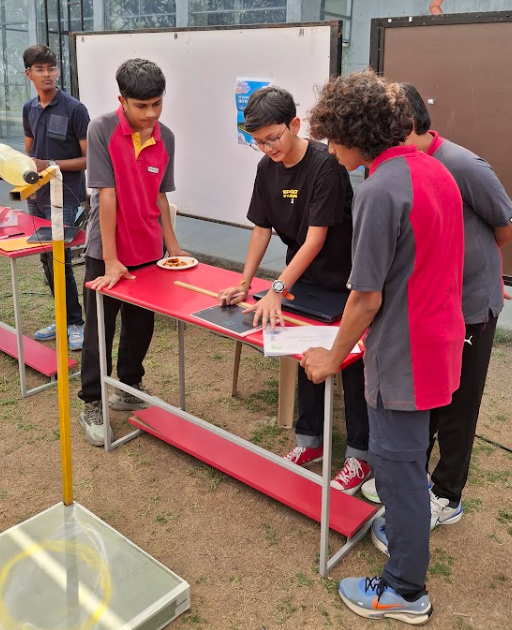
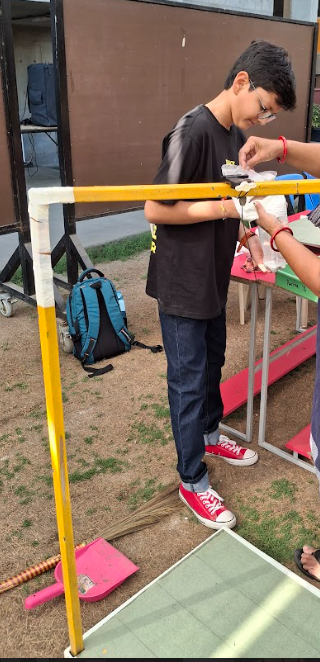
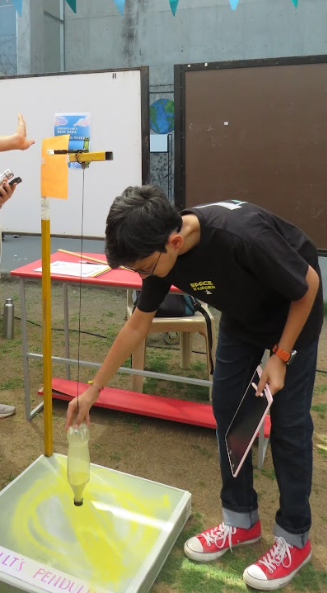
Pi Day (March 14th) is a global celebration of the mathematical constant ? (pi). This year, I took part in organizing activities at school, using creativity to make learning fun while developing essential skills.
LO1 – Identify Own Strengths and Develop Areas for Growth
This stage of the experience helped me identify my strengths and areas for growth. Taking on leadership in designing engaging activities allowed me to recognize my ability to plan and execute events effectively. However, I also realized that I needed to improve my time management and delegation skills. Through this experience, I learned to balance creativity with organization, ensuring that every aspect of the event was well-prepared and inclusive.
LO2 – Demonstrate That Challenges Have Been Undertaken, Developing New Skills
Organizing Pi Day presented multiple challenges, from coordinating with various teams to ensuring that all activities ran smoothly. One of the biggest difficulties was making sure that the events appealed to students with different levels of interest in mathematics. By incorporating elements of art, puzzles, and interactive learning, I adapted to these challenges and developed new skills in problem-solving and adaptability. This experience showed me that overcoming obstacles is an essential part of growth.
LO4 – Show Perseverance and Commitment in CAS Experience
Throughout the process, I remained dedicated to ensuring Pi Day’s success. I put in significant effort to organize activities, troubleshoot last-minute issues, and encourage student participation. Despite facing unexpected challenges, such as missing materials and scheduling conflicts, I persevered by staying focused and adaptable. My commitment to making the event enjoyable for everyone strengthened my determination and resilience.
LO6 – Engagement with Issues of Global Significance
Mathematics plays a crucial role in global issues, from technological advancements to environmental sustainability. By organizing activities that highlighted real-world applications of ?, I aimed to help students see the broader impact of math beyond the classroom. The escape room activity, for example, incorporated challenges based on real mathematical principles used in engineering and space exploration, reinforcing the importance of STEM fields in solving global challenges.
LO7 – Recognise and Consider the Ethics of Choices and Actions
During the planning of Pi Day, we ensured that all activities were inclusive and accessible to students of all backgrounds and abilities. We made a conscious effort to create a non-competitive environment where everyone felt comfortable participating, regardless of their mathematical skills. This ethical consideration reinforced my awareness of the importance of inclusivity in education and event planning.
Conclusion
Pi Day was a valuable experience that strengthened my creativity, perseverance, and problem-solving skills. It reinforced the importance of engaging learning experiences and inclusive education. Moving forward, I hope to use creativity to inspire others in both academic and extracurricular activities