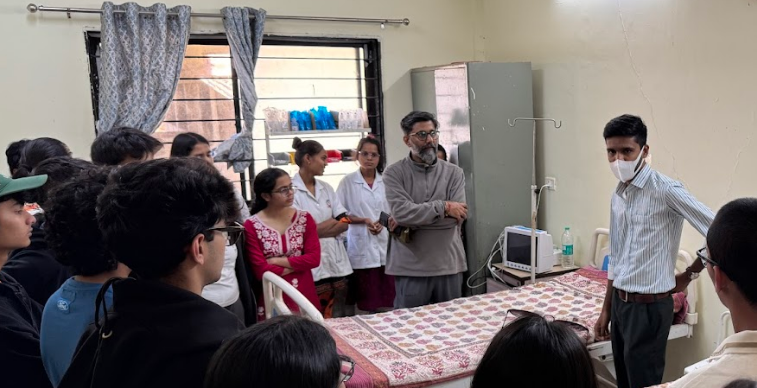
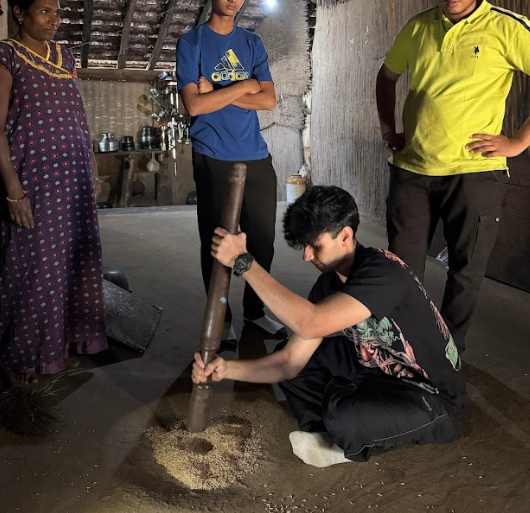
Our seven-day rural immersion trip to a village without technology was a life-changing experience that opened our eyes to the beauty, simplicity, and challenges of rural life. It was an opportunity to disconnect from the digital world and truly connect with the people and environment around us. As we returned home, we carried with us a renewed sense of gratitude, a broadened worldview, and a deeper commitment to sustainability and social impact. The journey not only changed our perspectives but also provided invaluable lessons in empathy, resilience, and global awareness. Here’s how the experience aligned with the seven CAS learning outcomes.
1. Identify Own Strengths and Develop Areas for Growth
Before embarking on the trip, I took some time to reflect on my strengths and areas for growth. I recognized that I was good at communicating with others, but I was uncertain about how well I would adapt to living without technology. I had no experience with rural life and was unsure of how I would cope with the simplicity and manual labor required for daily tasks.
Throughout the trip, I discovered that my strength in communication helped me connect with villagers and fellow students. But I also grew in areas I hadn’t anticipated—especially in terms of patience, problem-solving, and teamwork. I learned how to manage daily chores, such as farming, cooking with limited resources, and maintaining hygiene without modern conveniences. These experiences allowed me to step out of my comfort zone and develop a deeper understanding of self-sufficiency and resourcefulness.
2. Demonstrate That Challenges Have Been Undertaken, Developing New Skills in the Process
The challenges during our rural immersion trip were plenty. From waking up early to join in on daily farm work to adjusting to living without electricity, each day presented new obstacles. One of the most significant challenges was the absence of technology. We could not rely on our phones or internet for communication, information, or entertainment. This forced me to engage fully with my surroundings and immerse myself in the present moment.
Learning practical skills such as manual farming, cooking over a fire, and even washing clothes by hand were new to me. Although initially difficult, these tasks became valuable learning experiences, as I gained new skills and a deeper appreciation for the hard work that goes into maintaining a rural lifestyle. These challenges helped me develop resilience and creativity in problem-solving, as well as the ability to adapt to unfamiliar situations.
3. Demonstrate How to Initiate and Plan a CAS Experience
Planning the rural immersion trip required significant effort and teamwork. As a group, we had to ensure that the experience was well-organized, meaningful, and beneficial to both the students and the local community. We worked together to arrange logistics—accommodations, food, transportation—and to reach out to local farmers and villagers who would help us gain insight into rural life.
We also had to plan activities that would allow us to understand the importance of sustainability and social impact. From organizing farming tasks to engaging in community service, we made sure our actions were aligned with our goals of learning about sustainability and making a positive contribution. The planning process taught me valuable lessons in leadership, collaboration, and the importance of thorough preparation.
4. Show Commitment to and Perseverance in CAS Experiences
During the immersion, commitment and perseverance were key. The rural environment posed several challenges, including physical labor and adjusting to a slower, more intentional way of life. There were moments of fatigue and frustration, but we all stayed committed to the experience. Whether we were working in the fields, engaging in discussions about rural issues, or learning traditional farming techniques, we persevered through each task.
The lack of technology meant that we were fully immersed in the village and the work we were doing, and this helped reinforce our commitment. Despite the discomfort of being away from our usual comforts, the trip deepened our connection with the rural community and gave us a clearer sense of purpose. We learned that true perseverance involves not just enduring challenges, but also embracing them as opportunities for growth.
5. Demonstrate the Skills and Recognize the Benefits of Working Collaboratively
The success of this trip was largely due to our ability to work collaboratively as a group. From planning the trip to executing daily tasks, teamwork was essential. Whether we were helping each other with farming tasks, cooking meals together, or navigating cultural differences, working as a team helped us achieve our goals and create a positive environment.
The village experience itself also highlighted the importance of collaboration within rural communities. We worked alongside villagers, learning from their collective wisdom and traditions. It was inspiring to see how communities thrive by working together to overcome challenges, sharing resources, and supporting one another. This experience reinforced the value of cooperation and collective effort, not just for personal success but for the well-being of the larger community.
6. Engagement with Issues of Global Significance
Through the trip, we gained firsthand insight into several global issues that are deeply connected to rural life. One of the most pressing issues we encountered was the impact of climate change on agriculture. Many villagers spoke about how changing weather patterns have affected their crops and livelihood, and we witnessed the effects of water scarcity and environmental degradation.
This immersion trip allowed us to connect these local issues to broader global challenges. We discussed the need for sustainable farming practices, the importance of conserving natural resources, and the role of urban communities in supporting rural development. The experience fostered a sense of global responsibility, and many of us returned with a renewed commitment to addressing these pressing issues in our own communities.
7. Recognize and Consider the Ethics of Choices and Actions
Living in a rural village without technology made us acutely aware of our choices and actions. The ethical implications of our decisions, both big and small, became clear as we interacted with the villagers and learned about their way of life. For example, simple actions like conserving water, minimizing waste, and using natural resources responsibly were practices that we learned from the villagers and began to adopt ourselves.
We also had to reflect on our own role in contributing to the challenges faced by rural communities. How do our urban lifestyles and consumption patterns impact the environment? How can we make ethical choices that promote sustainability and equity for all communities, both rural and urban? These are questions that we continually wrestled with throughout the trip, and they have influenced the way we think about our actions and decisions moving forward.
Conclusion
Our rural immersion trip was not just a getaway; it was a transformative experience that broadened our views on life, sustainability, and social responsibility. By embracing the challenges, working collaboratively, and engaging with global issues, we were able to develop new skills, build empathy, and deepen our understanding of rural life. As we returned to our urban lives, we carried with us lessons that will continue to shape our perspectives and actions—both personally and in our communities. This trip reminded us that true growth comes from stepping outside our comfort zones and actively engaging with the world around us.