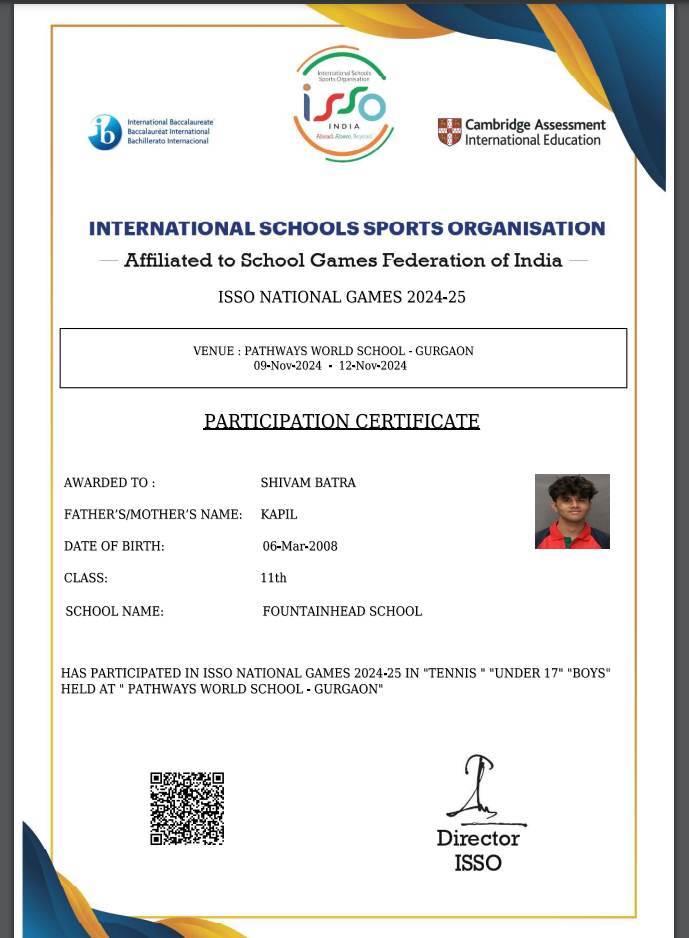
Lawn Tennis: A Sport for Personal Growth
Lawn tennis, often seen as a fast-paced and mentally demanding sport, has provided me with more than just physical benefits. Through consistent practice and matches, I’ve learned the importance of discipline, teamwork, and self-motivation. The experience has been both challenging and rewarding, as it allowed me to push my boundaries while maintaining focus on personal development.
LO1: Identify Own Strengths and Develop Areas for Growth
At the beginning of my tennis journey, I wasn’t particularly skilled, and my serve was one of the weakest aspects of my game. However, recognizing this as an area for improvement, I focused on developing my technique through individual practice sessions. This self-awareness, as encouraged by LO1, allowed me to identify my strengths and weaknesses. I realized that my agility and speed were my strengths, while my consistency in rallies was an area that needed considerable development.
By setting specific goals for myself, such as improving my serve and mastering the backhand, I was able to track my progress over time. Reflecting on my achievements and challenges during each practice session helped me stay motivated and consistently improve, which aligns perfectly with the learning outcome of identifying personal strengths and areas for growth.
LO3: Demonstrate How to Initiate and Plan a CAS Experience
Planning and organizing my involvement in lawn tennis as a CAS activity was a crucial part of the process. To get the most out of my tennis experience, I needed to create a structured approach to practice and competition. This meant balancing my tennis sessions with academic commitments and other CAS activities. I had to develop time management skills and plan my practice schedule around schoolwork, making sure I was meeting the expectations of the IB program while still dedicating enough time to improve my game.
In addition to organizing my own practice sessions, I also took part in team practices and tournaments. This taught me valuable skills in collaboration and leadership as I often helped new players get comfortable with the basics of the game. By engaging with others in this way, I was able to take a more proactive role in both my personal development and the development of others. The process of planning my involvement in tennis, creating achievable goals, and adapting to changes in my schedule directly connects to LO3.
LO4: Show Commitment to and Perseverance in CAS Experiences
Commitment and perseverance are essential to success in any activity, especially in sports like lawn tennis, where consistency is key. Initially, I faced some setbacks, such as injuries and moments of frustration when progress seemed slow. However, the experience taught me the importance of pushing through difficult times, staying committed to the process, and maintaining a positive mindset.
As the semester progressed, I realized that improvement in tennis wasn’t immediate—it required consistent effort, perseverance, and a willingness to learn from mistakes. During practices, I pushed myself to attend even when I didn’t feel at my best, understanding that each session was a step closer to achieving my goals. This commitment to the activity, despite the challenges, not only enhanced my skills but also developed my character and work ethic, both of which are central to LO4.
Conclusion: Beyond the Court
The ISSO lawn tennis experience was a fulfilling CAS activity that allowed me to grow in many ways. Through tennis, I developed key skills that are not only relevant to the sport but also transferable to various aspects of life, such as discipline, time management, and teamwork. More importantly, the activity enabled me to reflect on my personal growth, plan my involvement in a structured way, and persevere through challenges.
By engaging in this sport, I connected deeply with the IB’s learning outcomes LO1, LO3, and LO4, all of which helped me develop a deeper understanding of myself and my capabilities. Tennis may be a game of skill and precision, but for me, it became a journey of self-discovery and growth. I would encourage anyone participating in the CAS program to consider taking part in a similar activity, as the benefits extend far beyond the physical exercise, shaping you into a more well-rounded individual.