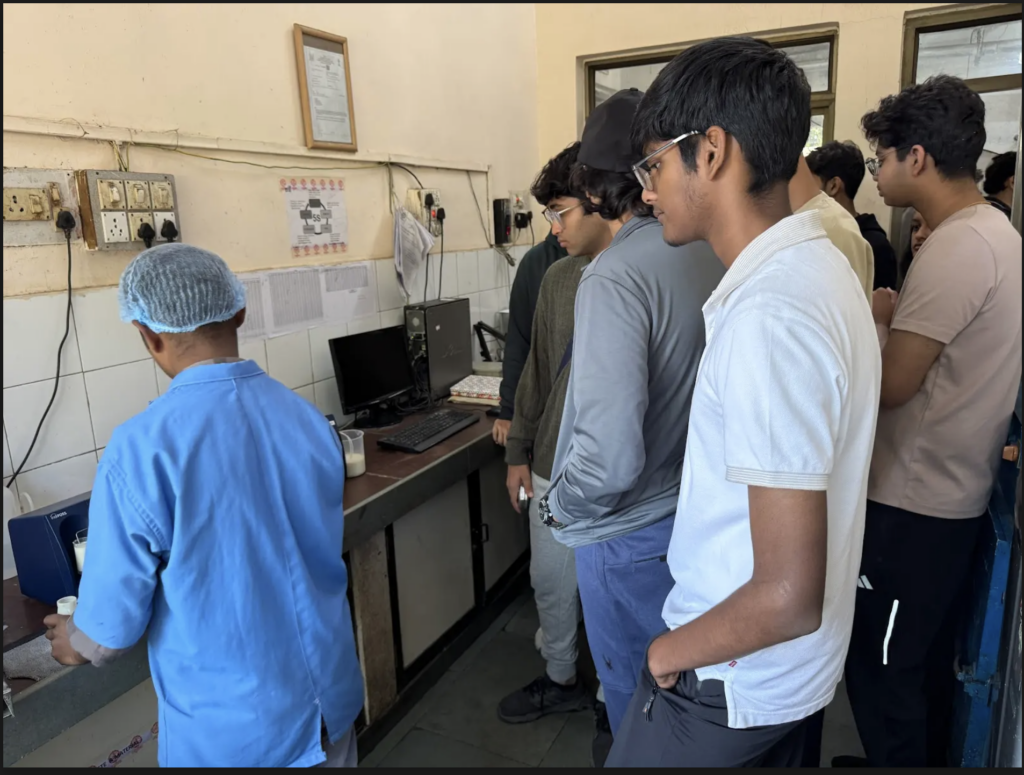
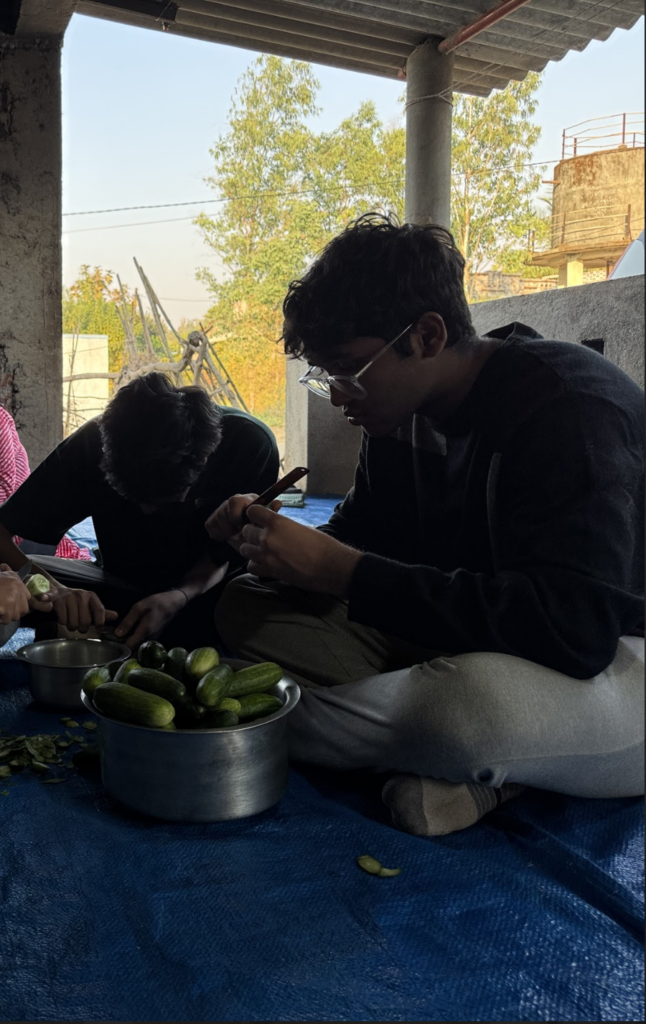
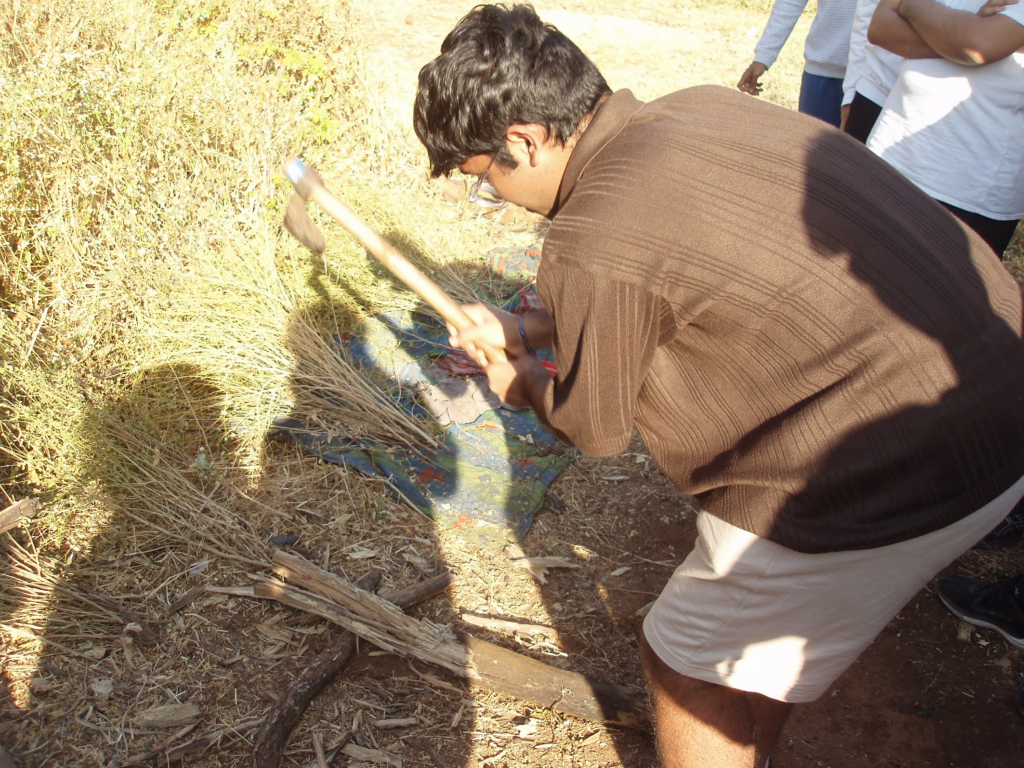
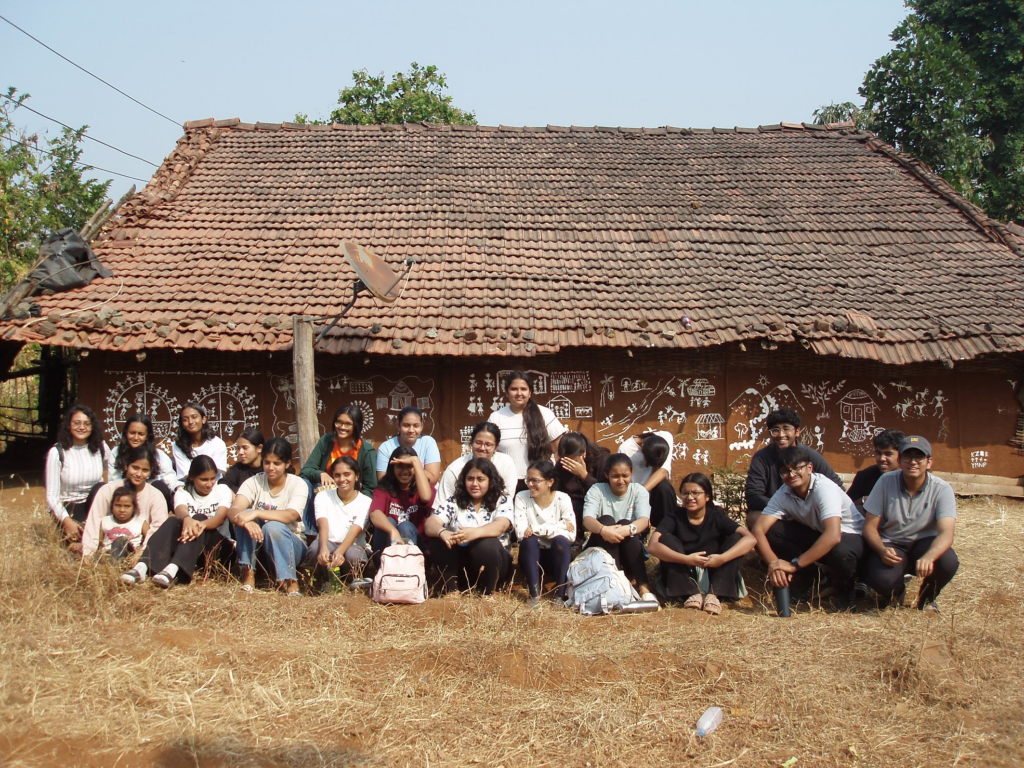
The trip to Mokhamal Dang for the Rural Immersion was a real eye-opener for me and my friends. We got a glimpse into the lives of tribal people, which was fascinating. It wasn’t just about looking, though. We mixed creativity, activity, and service, really connecting with the people there, swapping stories, and helping out with a donation drive. I learned so much about how people live in rural areas, their traditions, and the tough stuff they go through. It really made me think more about the problems our society faces.
LO1: Identify own strengths and develop areas for growth
On this journey, I discovered my ability to easily connect with people from all walks of life, which allowed me to have really engaging chats with the locals. However, I also noticed I need to become more adaptable, because dealing with a new place and having only a few resources to rely on was tough at first. But hey, this whole experience has definitely made me stronger and more understanding of the many different ways people live their lives.
LO2: Demonstrate that challenges have been undertaken, developing new skills
This journey pushed me to expand my horizons and embrace unfamiliar tasks. I engaged in various activities, from hiking and exploring to gaining insights into age-old farming methods, all of which helped me acquire a variety of new abilities. The most significant hurdle was overcoming communication gaps created by different languages. However, with some patience and a willingness to understand, I managed to connect with others through body language and common experiences.
LO3: Demonstrate how to initiate and plan a CAS experience
We pulled off this super meaningful project where a bunch of us students, me included, chipped in some cash. We bought stuff that these kids could really use, like notebooks for school, hygiene things like toothbrushes and toothpaste, and even some kites to keep them entertained. Figuring out how to do this took some real teamwork, some planning, and a bunch of decisions to make sure what we gave was actually helpful. And honestly, the biggest payoff was seeing how stoked the kids were to get those kites.
LO4: Show perseverance and commitment in CAS experience
We really dove into the country life, which meant getting used to a whole different way of living. Things like the internet and modern gadgets were hard to come by. We spent our days helping out with chores, picking up traditional crafts, and joining in on local traditions, determined to soak up every minute. This whole experience made me stronger when things got tough and helped me see how much good there is in living simply.
LO5: Demonstrate skills and benefits of working collaboratively
During the entire journey, working as a team was absolutely vital. From planning fun activities for the kids, to sorting out and distributing the donations, or even just figuring out how to get around in the countryside, we really needed to work together to make this whole thing worthwhile. I really saw how crucial it is to cooperate, share the workload, and respect each other when you’re part of a group, especially when you’re in a new place.
LO6: Engagement with issues of global significance
This experience really opened my eyes to the challenges of rural development, the disparities in education, and the struggle for healthcare access – issues that impact marginalized communities worldwide. Hearing about the community’s hurdles in education, sanitation, and just making a living made me think about the privileges I often overlook. It drove home how crucial sustainable development is in making sure everyone has a fair chance.
LO7: Recognise and consider the ethics of choices and actions
Throughout our journey, we carefully thought about the ethics of each action we took. We wanted to make sure any help we offered was truly beneficial and showed real respect for what the community needed. Instead of giving gifts that were only helpful for a short time or weren’t needed at all, we put our efforts into donating things that were practical and would last. I also spent time considering the duties we have when visiting places where people don’t have as much. Our aim was to make connections that truly mattered, rather than just appearing to care.
Learner Profile Attributes Developed
I became more open-minded by welcoming different viewpoints and showed I care by actively getting involved in making the community better. Thinking things through helped me break down the tough problems the community faced and see what they really meant. Finally, I’ve turned into someone who reflects a lot, always looking back at what I’ve been through and figuring out how those experiences changed the way I see social problems and what I believe is the right thing to do.
Conclusion
My trip to Dang for the Rural Immersion was truly one of the most rewarding experiences I’ve ever had. It was an incredible opportunity to learn, to help out, and to really think about the inequalities that exist in our world, which just reinforced my feeling of responsibility to be an active part of the global community. This whole experience didn’t just boost my skills in problem-solving, teamwork, and adapting to new situations, it also gave me a deeper respect for different cultures and the amazing work communities do to sustain themselves. I’m really hoping to take everything I learned with me and use it to support similar projects down the line.