For our Rural Immersion 2024, we traveled to Ambapani in Dang from 16th to 22nd December, where we stayed at the Ambapani Eco Tourism Campsite. Over the course of seven days, I participated in a variety of activities that encompassed all three CAS components: Creativity, Activity, and Service. These included:
- Bamboo weaving
- Lippan art
- Warli painting
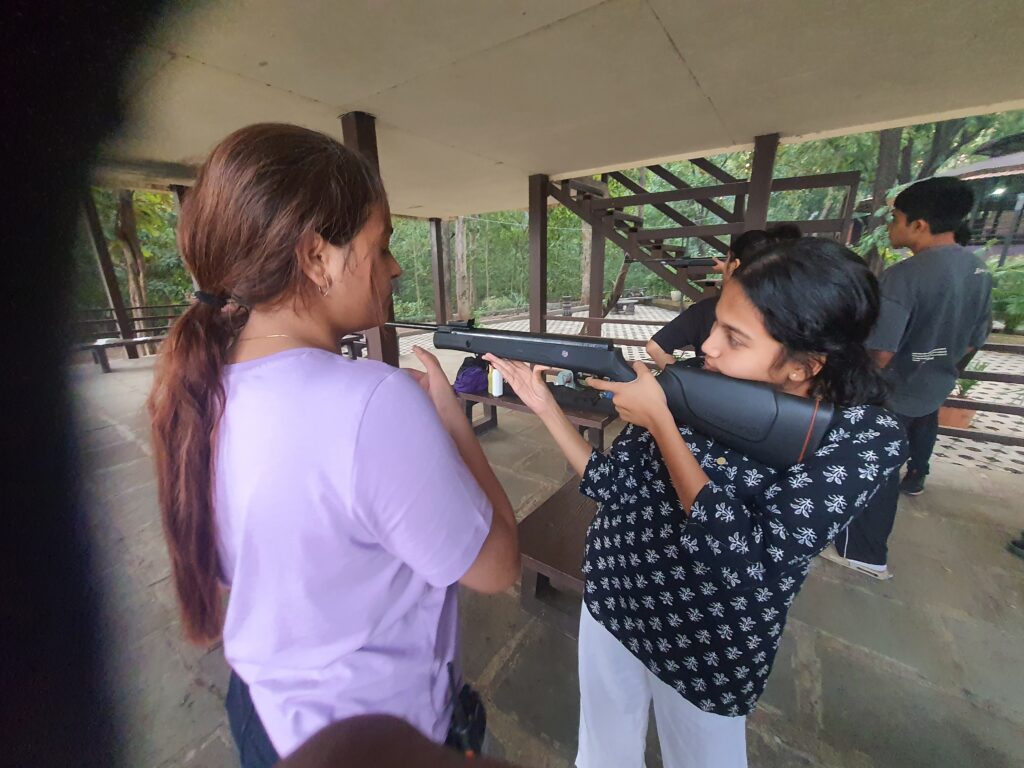
- Rifle shooting
- Adventure activities
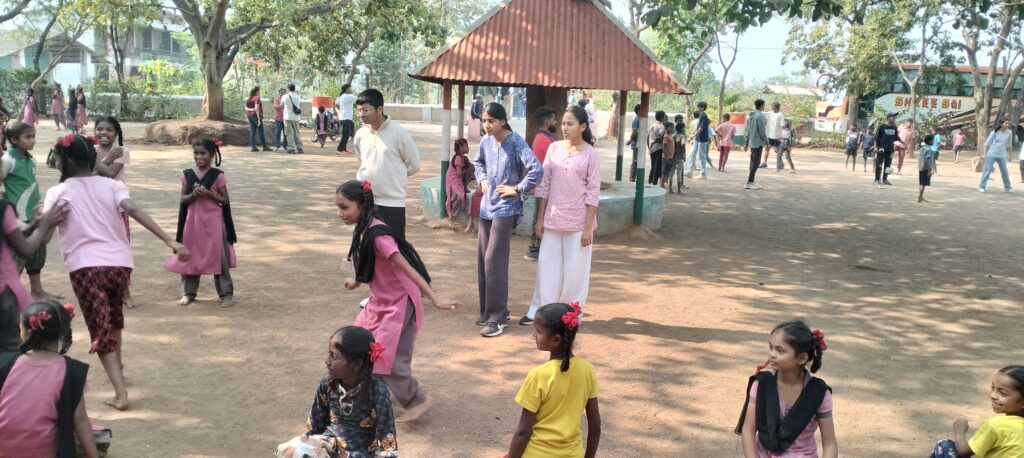
- Village interactions
- Dangi traditional dance
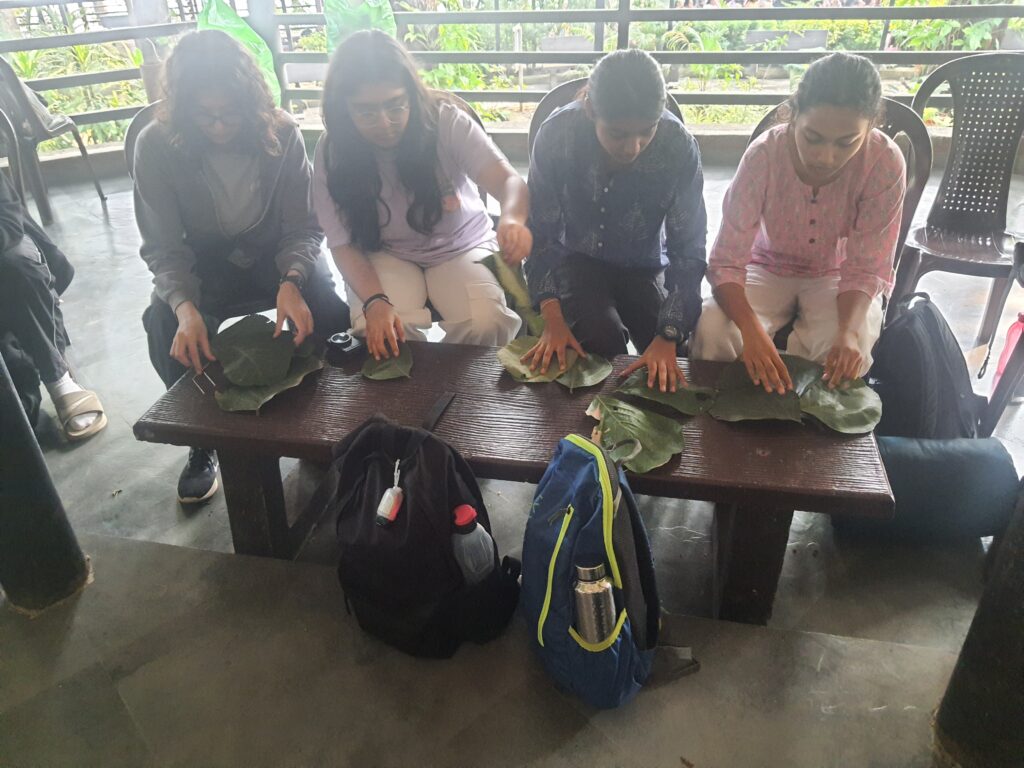
- Baaj making
- Tractor ride
- Haat bazaar shopping
- Trekking
- Cow milking (milk center visit)
- Ashram visit and service for students
- Cleanup drive
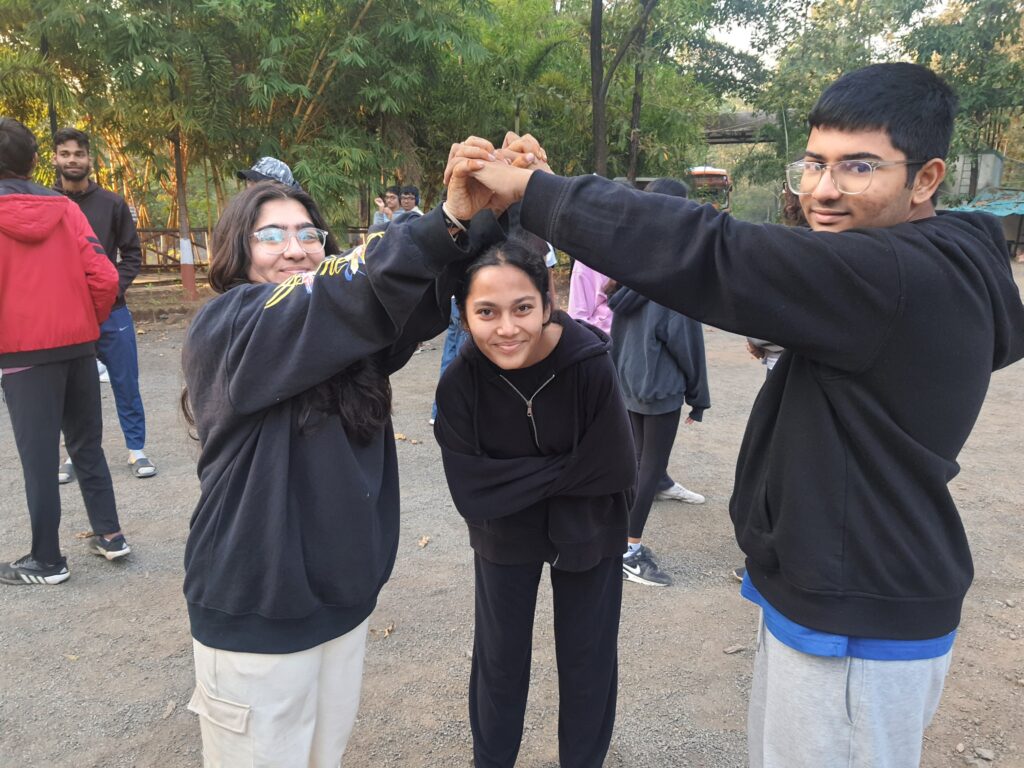
- Warm-up activities
- River bath
In addition to these activities, we had the opportunity to bond with our peers, as well as the volunteers, teachers, and local villagers. Living in a rural setting and reconnecting with nature was an eye-opening experience. We also enjoyed bird watching and learned about the local wildlife, which added to the charm of the trip.
LO 1 – Identify Own Strengths and Develop Areas for Growth
The rural immersion challenged me to step out of my comfort zone and try new things. Activities such as lippan art, cow milking, and baaj making were initially difficult, but I gave my best effort and identified areas where I needed improvement. For instance, baaj making was a struggle at first, but I persevered. On the other hand, I discovered that I had a natural affinity for activities like rifle shooting and Warli painting, where I was able to perform quite well.
LO 2 – Demonstrate That Challenges Have Been Undertaken, Developing New Skills in the Process
One of the main challenges I faced was adjusting to the village environment, which was completely different from what I’m used to. Surrounded by nature, I had to adapt to the pace of village life. Activities like lippan art and cow milking, which were new to me, required me to open up and try things I had never done before. In doing so, I developed both critical thinking and social skills, which allowed me to overcome these challenges and enjoy the experience to the fullest.
LO 4 – Show Commitment to and Perseverance in CAS Experiences
Throughout the trip, I made a conscious effort to be fully committed to each activity, despite some being outside of my comfort zone. I took on every task with enthusiasm, whether it was something as unfamiliar as a river bath or as intricate as lippan art. Although these activities initially felt uncomfortable, I pushed myself to complete them and found immense satisfaction in doing so. My perseverance helped me enjoy the experience even more.
LO 5 – Demonstrate the Skills and Recognize the Benefits of Working Collaboratively
Collaboration was key to the success of many activities during the trip. For example, team games and group tasks like Haat bazaar shopping required me to work closely with my classmates. We had to communicate effectively, share ideas, and combine our skills to achieve the best possible outcome. Despite having different perspectives, we were able to respect one another’s views, collaborate patiently, and most importantly, have fun together.
LO 6 – Demonstrate Engagement with Issues of Global Significance
During our trip, we observed several issues faced by the village community, many of which are indicative of broader global challenges. These included poverty, limited access to education, poor sanitation, and inadequate water and electricity supply. While some of these issues were being addressed by the villagers and the campsite volunteers, it became clear that many rural communities face similar struggles. One of the most pressing concerns we learned about was the lack of medical assistance and sanitary products in the village. Additionally, the income generated from traditional art forms like bamboo weaving and Dangi dance was very low, which further highlighted the economic struggles of the community. Becoming aware of these challenges helped me recognize the global significance of these issues and the need for action.
LO 7 – Recognize and Consider the Ethics of Choices and Actions
An ethical issue that surfaced during our rural immersion was food consumption and waste management. Initially, there was considerable food wastage, and we used disposable utensils in excess. This raised concerns about the way we were consuming resources. After being made aware of the situation, we made a conscious effort to reduce waste and care for our resources. This experience helped me realize the value of the limited resources available in rural areas and emphasized the importance of sustainable consumption.
Throughout this immersion, I demonstrated several attributes of the learner profile, including being Open-Minded, Thinkers, Caring, Risk-Takers, and Reflective. These qualities were reflected in the way I approached the various activities and adapted to village life over the seven days.
In terms of ATL (Approaches to Learning) skills, I honed my Self-Management skills, particularly in staying organized and motivated to participate in all planned activities. I also developed Social Skills through collaboration and respect for my peers and the villagers.
This experience not only deepened my understanding of rural life but also enhanced my globally-minded perspective, motivating me to explore ways to address some of the challenges faced by these communities. In the future, I hope to organize projects that can help improve the quality of life in rural areas and contribute to sustainable development.
I am incredibly grateful for the opportunity to have participated in this rural immersion. It was a highly enriching experience that broadened my worldview and gave me practical insights into both community life and environmental sustainability.