Cross-country running is a long-distance race that takes place over open terrain, unlike marathons, which are typically run on roads. It requires endurance, mental resilience, and the ability to adapt to different surfaces, such as grass, mud, or hills. These races are usually held during the fall or winter, and many athletes participate to improve their stamina, fitness, and mental discipline.
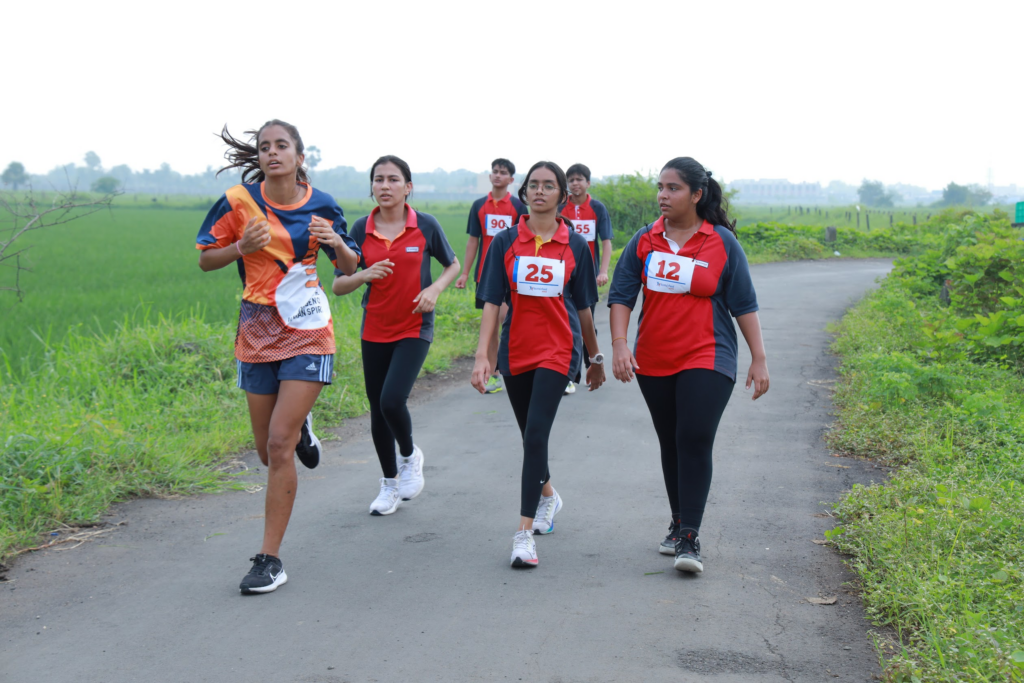
I participated in three cross-country races—twice running 3 km and once running 5 km—and secured 3rd place in one of them. This experience tested my physical and mental strength, pushing me to improve my endurance, speed, and strategic race planning.
LO1: Identify own strengths and develop areas for growth
Through my participation in cross-country running, I identified stamina and perseverance as my key strengths. I was able to maintain a steady pace over long distances, and my ability to push through fatigue helped me secure a strong finish. However, I also realized that I needed to improve my pace control and breathing techniques. In longer races, I sometimes started too fast, which led to early exhaustion. This experience made me aware of the importance of strategic energy distribution and proper training to enhance my endurance and speed.
LO2: Demonstrate that challenges have been undertaken, developing new skills
Cross-country running is not just about physical ability; it also requires mental toughness and strategic thinking. One of the biggest challenges was running on uneven terrain, which tested my balance and endurance. Additionally, competing against strong runners pushed me to improve my pacing and adaptability during the race. Through training and competition, I developed better running techniques, improved breathing control, and enhanced my ability to push through discomfort and fatigue. These new skills will help me not only in running but also in other areas that require perseverance and endurance.
LO4: Show perseverance and commitment in CAS experience
Long-distance running requires consistent training and dedication. Preparing for these races meant putting in extra effort outside of my regular routine, balancing training, academics, and other commitments. There were times when exhaustion and muscle soreness made me question whether I could keep going, but my determination to improve and compete kept me motivated. Securing 3rd place in one of the races was a rewarding reminder that hard work and persistence lead to progress. This experience reinforced the value of commitment and resilience, showing me that pushing through challenges always leads to growth.

LO5: Demonstrate skills and recognize the benefits of working collaboratively
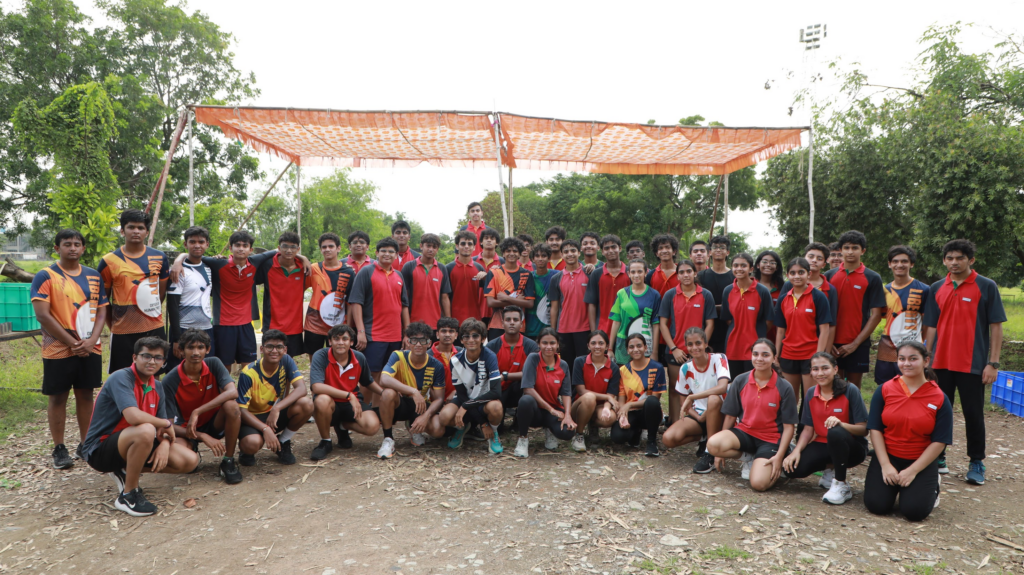
Even though cross-country running is an individual sport, teamwork played a crucial role in my experience. Training with other runners helped me stay motivated and push myself harder. Encouraging and being encouraged by fellow competitors also made the races more enjoyable and less overwhelming. I realized the importance of shared motivation, learning from others, and supporting teammates, which made the experience more fulfilling.
LO7: Recognize and consider the ethics of choices and actions
Sportsmanship is a key aspect of cross-country running. Throughout my races, I ensured that I respected my fellow runners, followed the race rules, and maintained integrity in competition. There were moments when I felt the temptation to slow down or give up, but I reminded myself to stay true to my commitment and push forward with honesty and determination. Additionally, I learned the importance of ethical racing behavior, such as not obstructing other runners and maintaining respect for competitors and race officials.