Creativity, Activity, Service
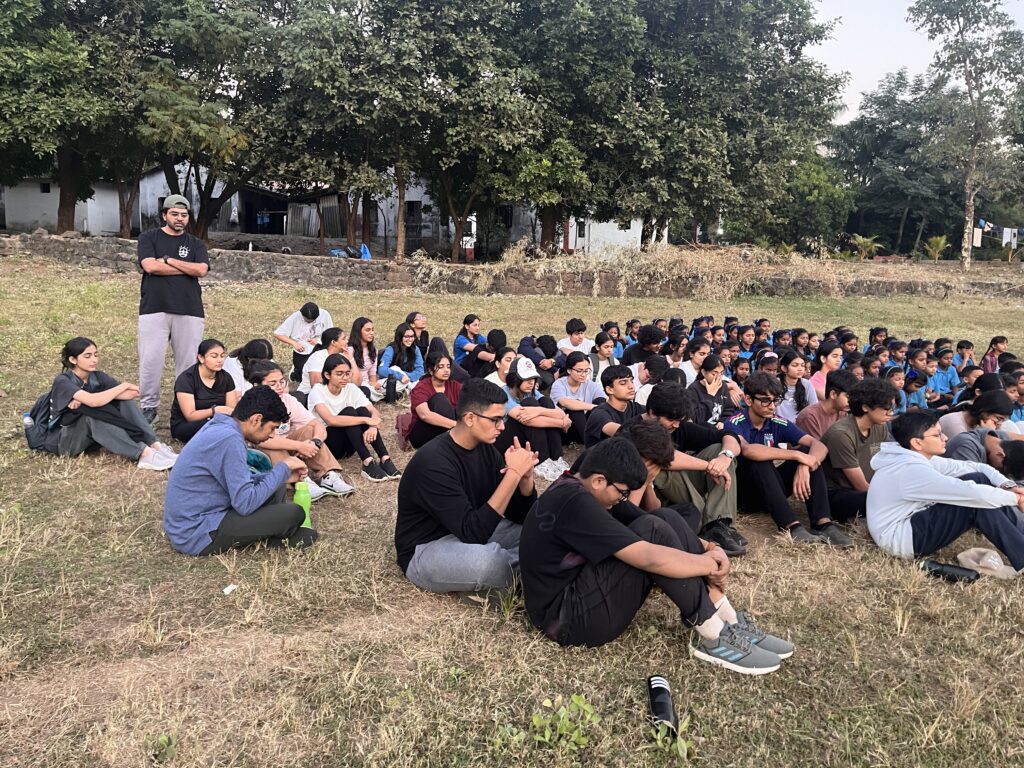
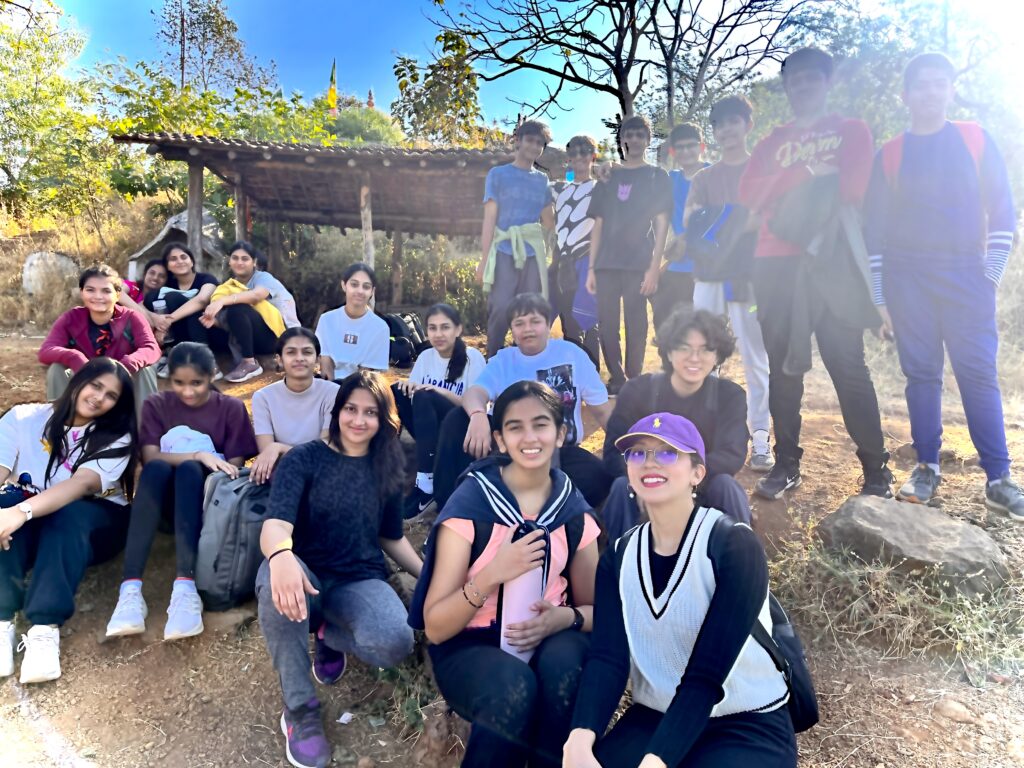
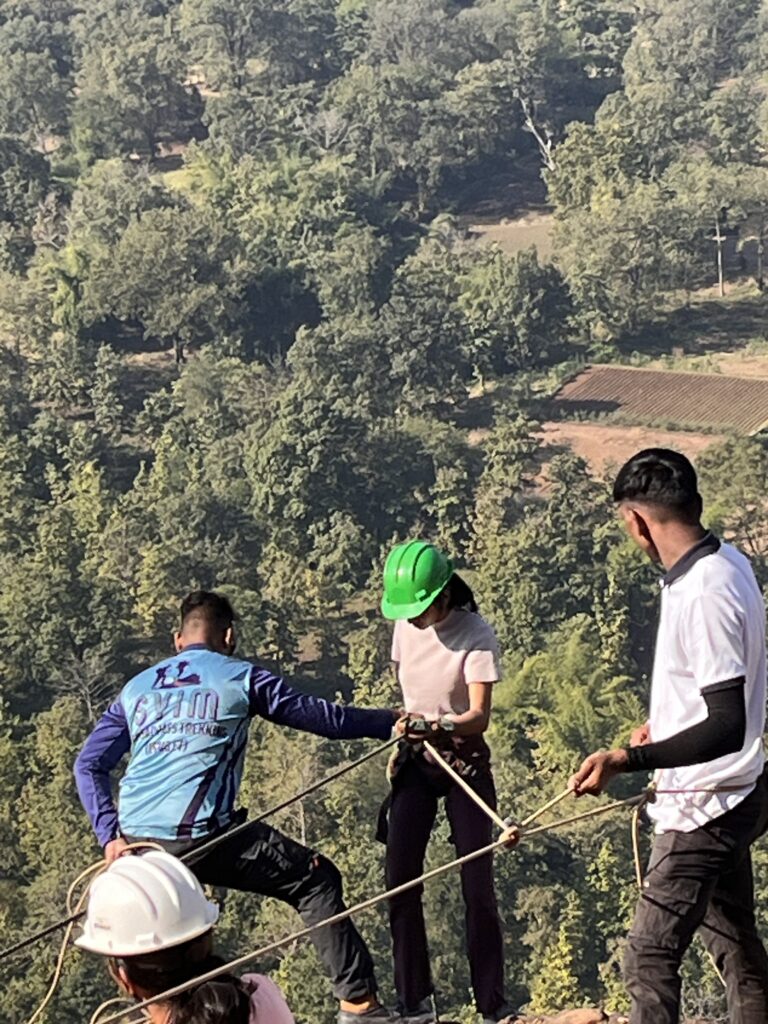
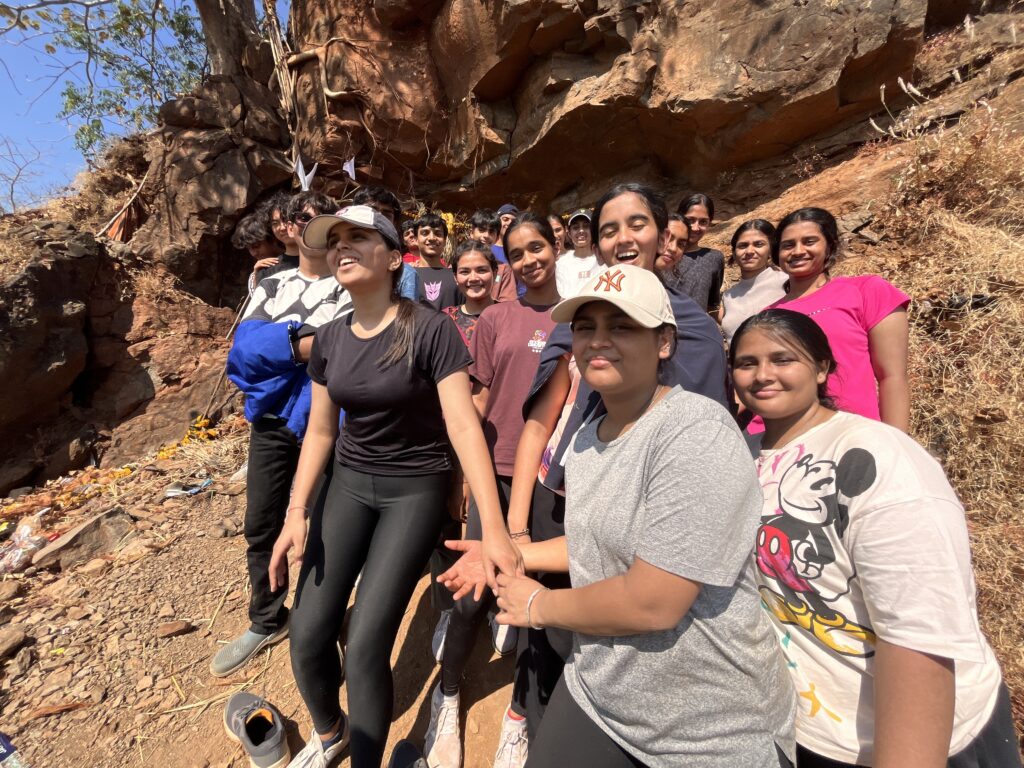
The Rural Immersion experience was an enriching journey that allowed me to engage in all three aspects of CAS: Creativity, Activity, and Service. This trip provided an opportunity to explore new environments, contribute to local communities, and challenge myself through various activities. From trekking and rappelling to engaging in traditional Warli art and bamboo crafting, each experience pushed me out of my comfort zone and helped me grow.
LO1 – Identify own strengths and develop areas for growth
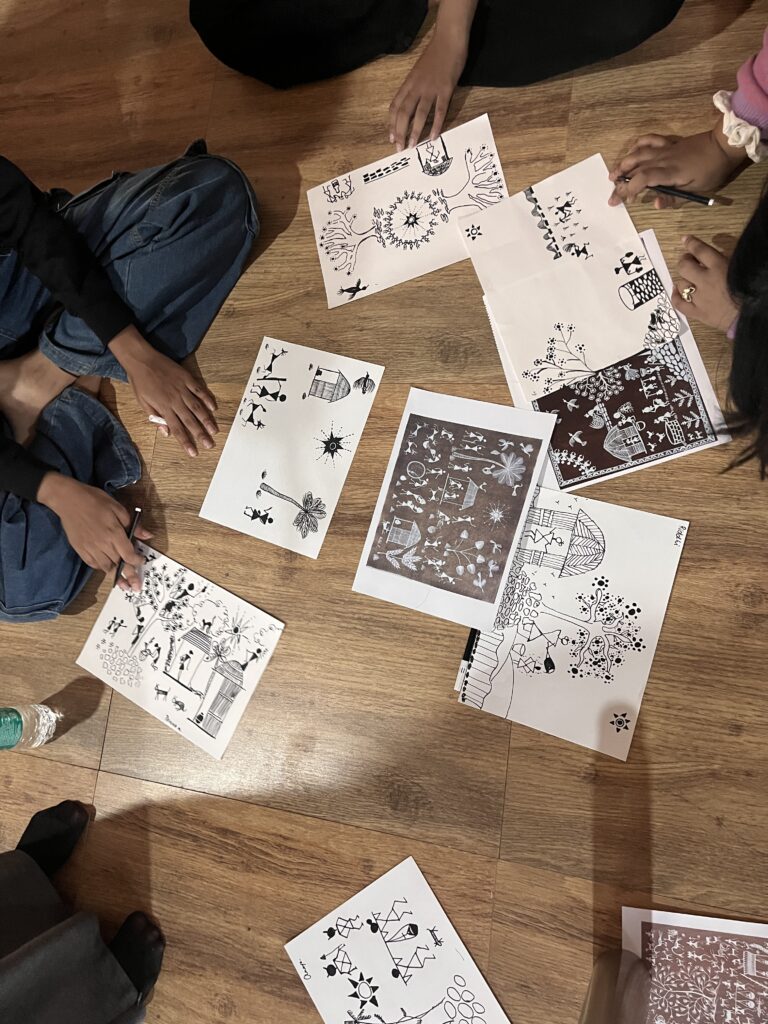
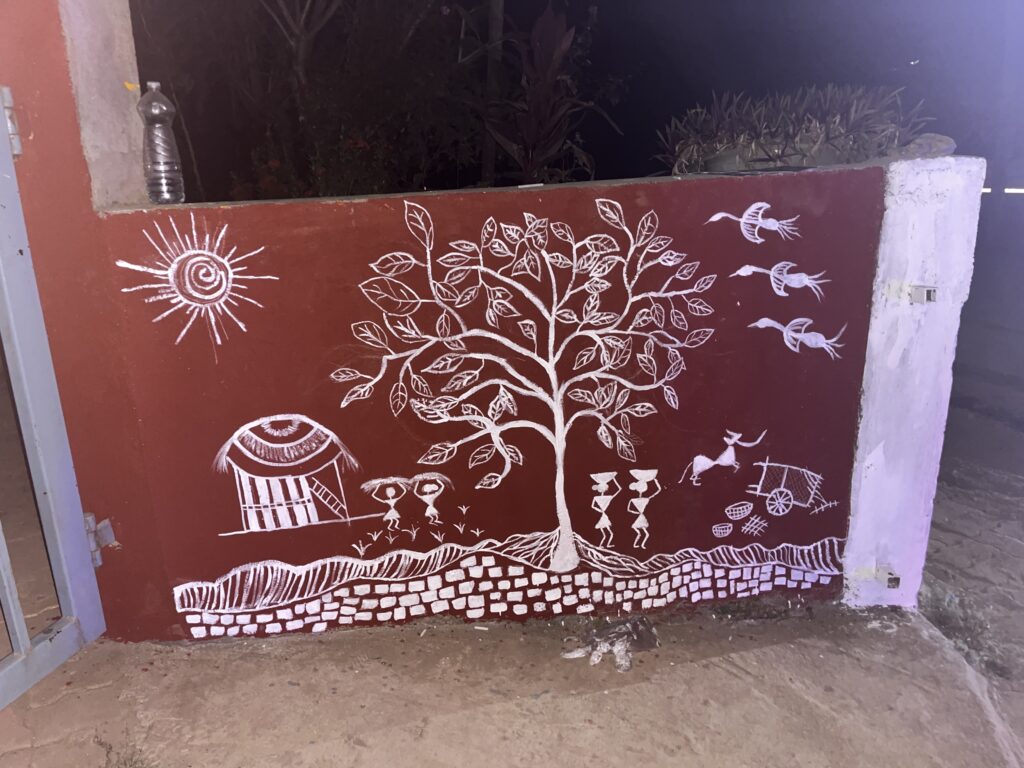
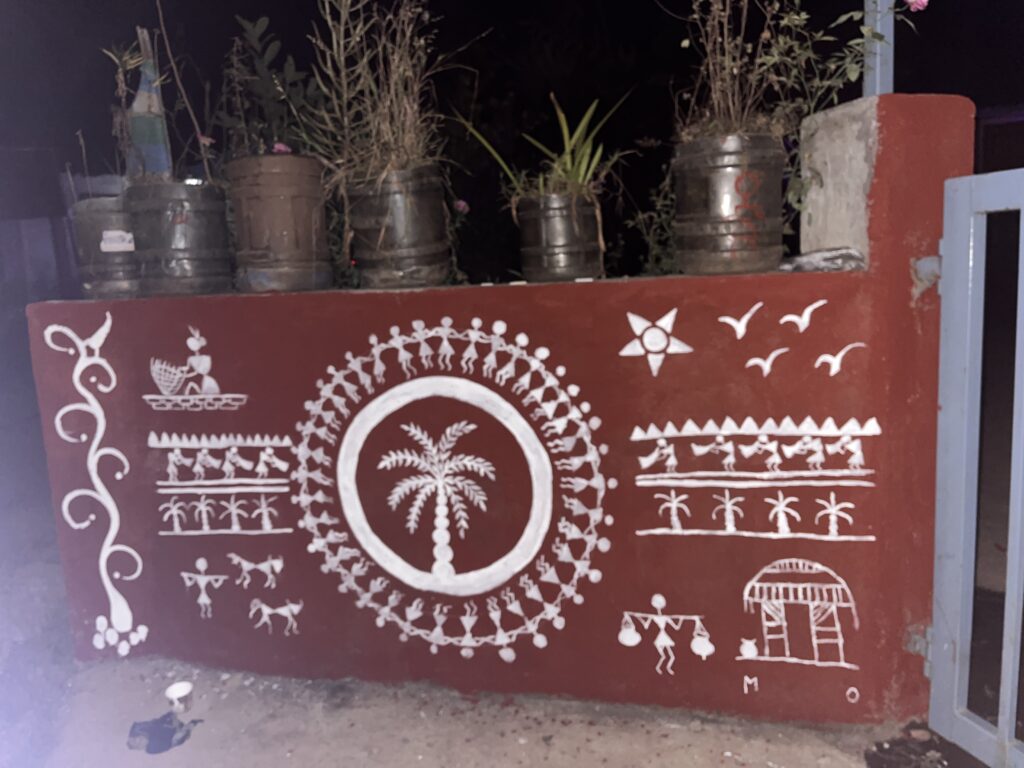
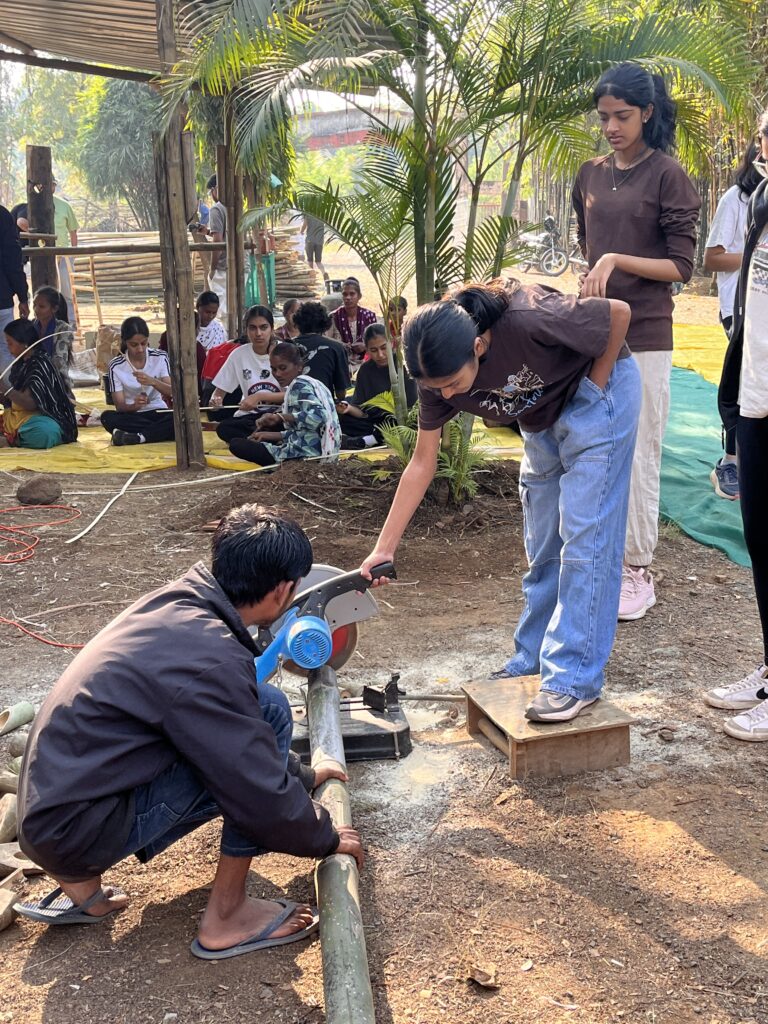
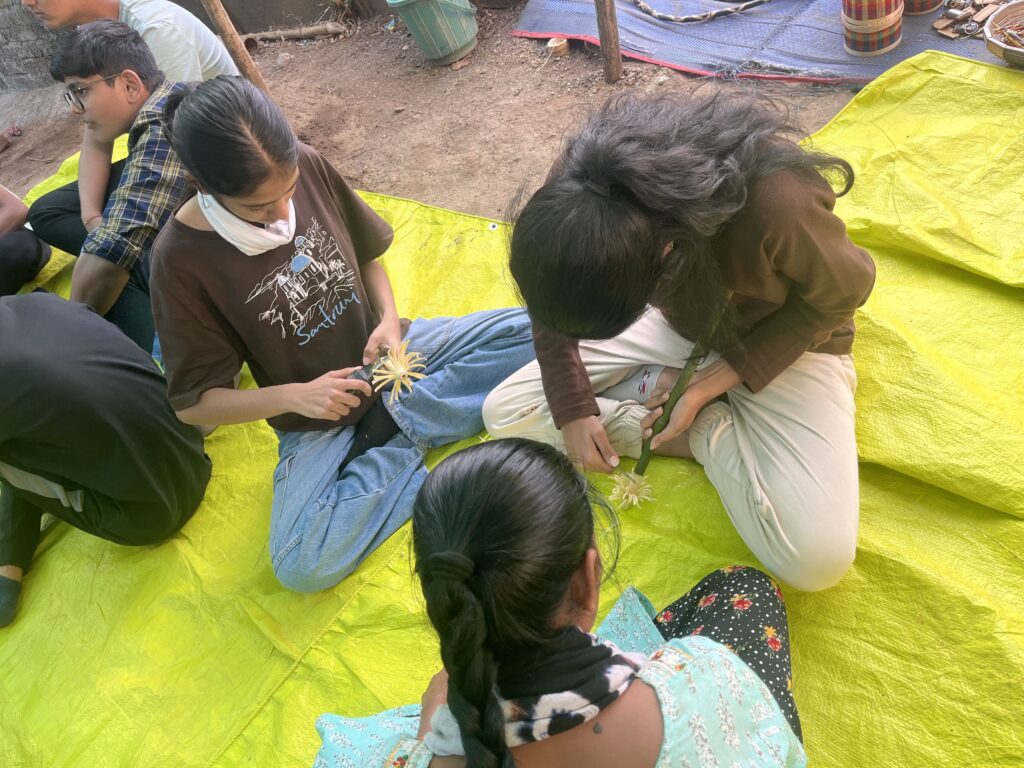
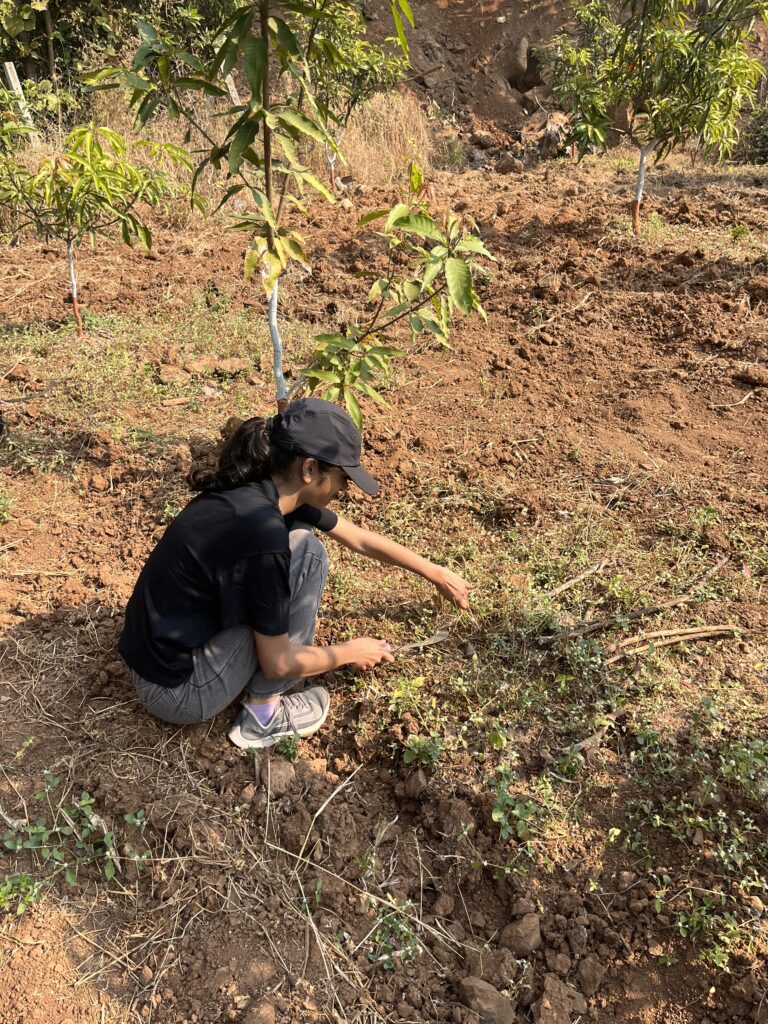
Throughout the immersion, I was able to recognize my strengths and areas where I needed improvement. For instance, I realized that I have a natural inclination towards creative activities like Warli art and bamboo craft. However, I found manual labor, such as farming and bamboo cutting, quite challenging. This experience allowed me to develop patience and resilience while working on tasks that were physically demanding.
LO2 – Demonstrate that challenges have been undertaken, developing new skills
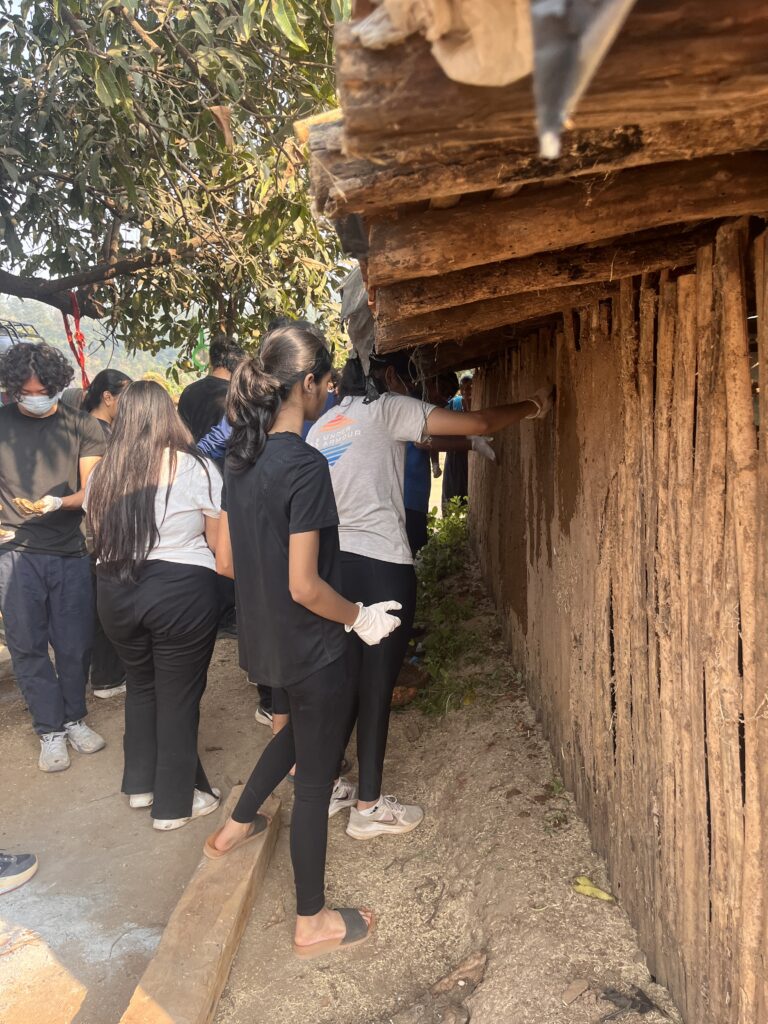
Many activities during this immersion were new to me, such as cow dung Lipan work and bamboo crafting. While these tasks initially seemed daunting, I embraced the challenges and gradually developed skills in these areas. Rappelling, for example, was particularly nerve-wracking, but I pushed myself to overcome my fears and successfully completed the activity. The experience reinforced my ability to tackle challenges head-on and adapt to new situations.
LO4 – Show perseverance and commitment in CAS experience
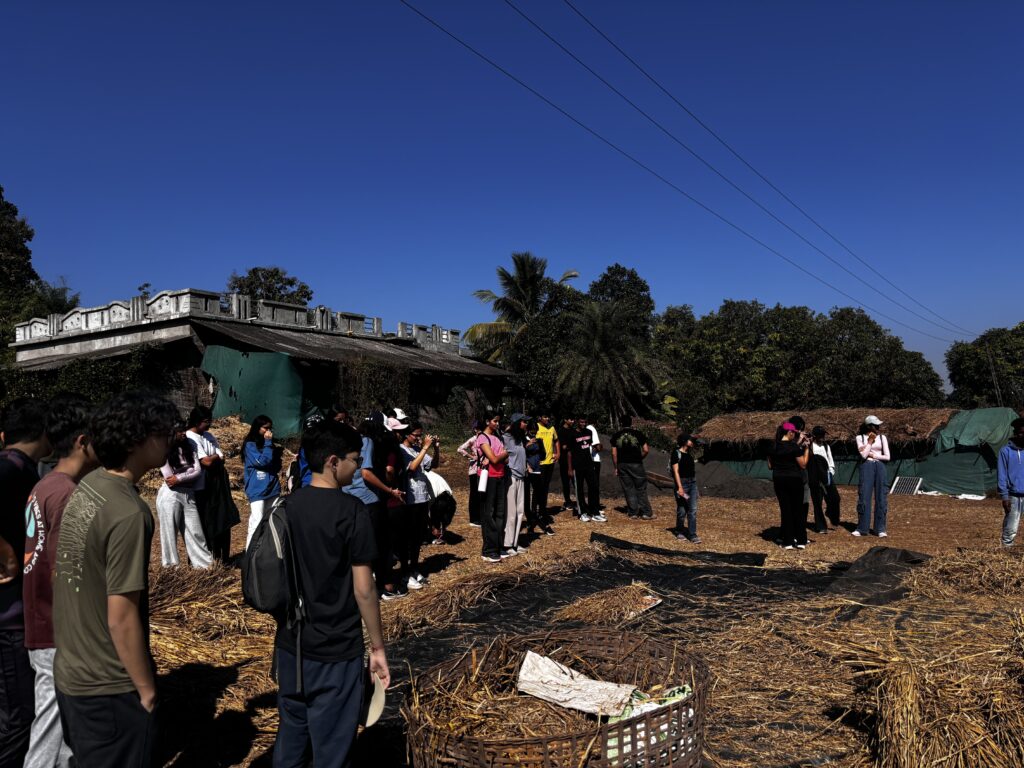
Commitment and perseverance were essential throughout the trip. Farming at the Ambika Hardar farm and assisting at the bamboo workshop required sustained effort and dedication. There were moments of exhaustion, especially during physically intensive tasks, but I remained persistent and completed every activity with determination. This experience helped me understand the importance of commitment in achieving meaningful outcomes.
LO5 – Demonstrate skills and benefits of working collaboratively
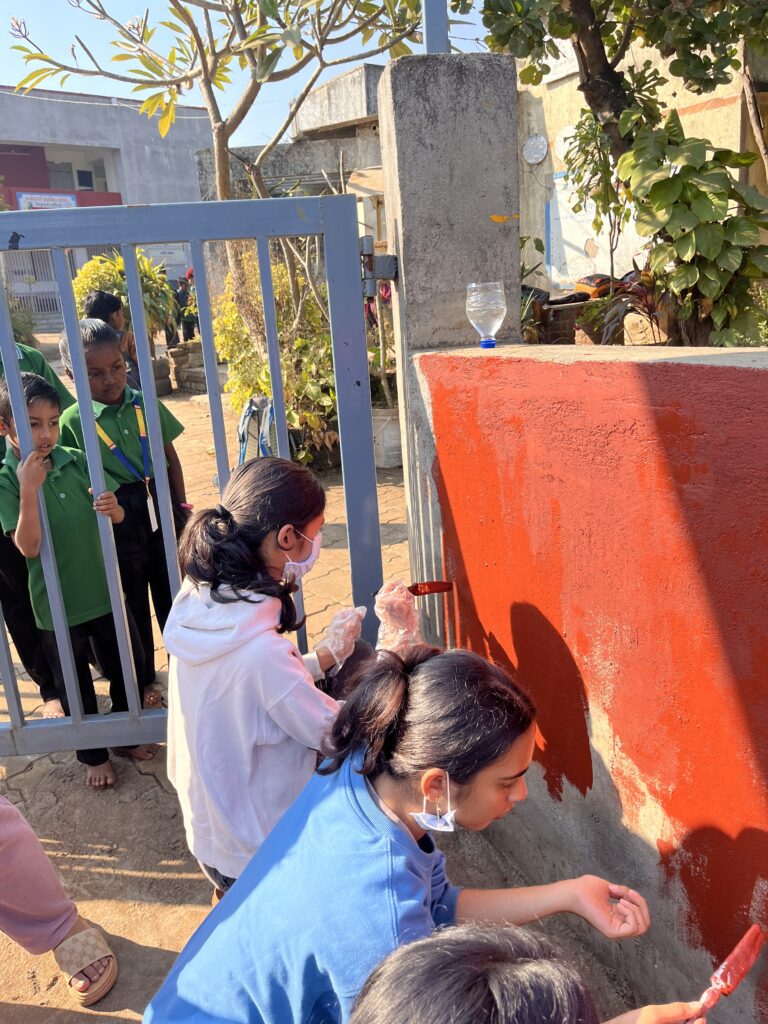
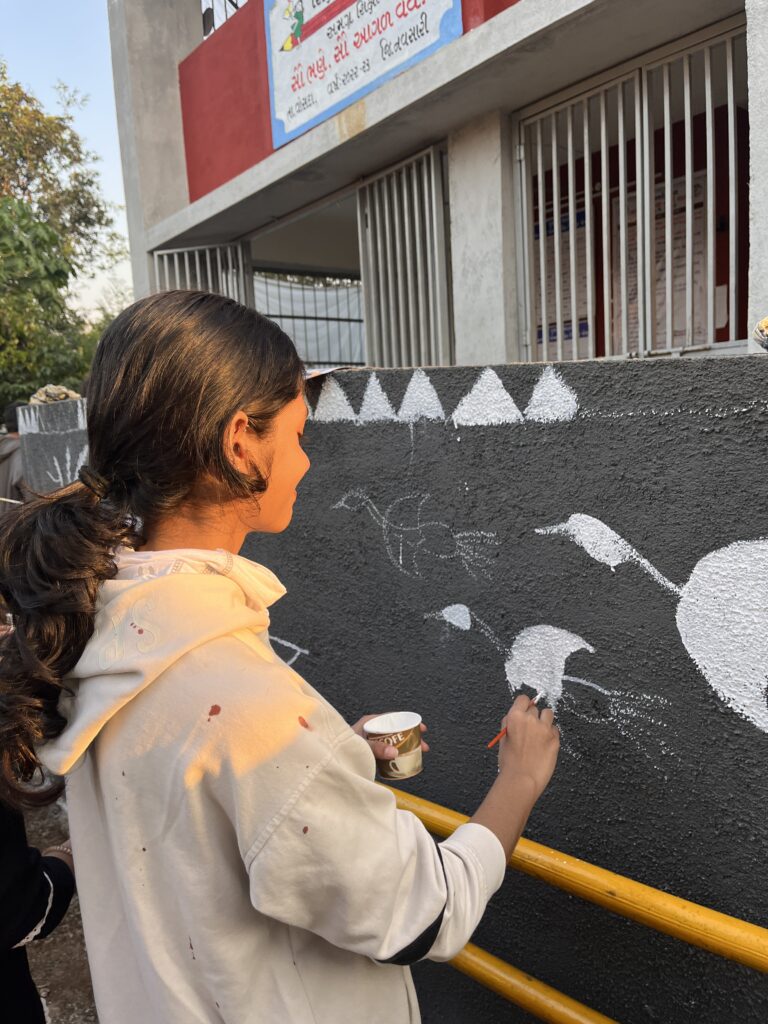
Collaboration was a key aspect of rural immersion, as many activities required teamwork. Whether it was painting Warli art on walls, performing a skit for school children, or engaging in farming activities, working together was crucial. The trip reinforced my ability to communicate and cooperate with others to accomplish shared goals efficiently.
LO6 – Engagement with issues of global significance
This experience provided insight into rural livelihoods and sustainability. By participating in farming activities, I learned about organic farming practices and the importance of sustainable agriculture. Our work at the bamboo workshop also highlighted the significance of traditional handicrafts in rural economies. Understanding these global issues gave me a greater appreciation for sustainable living and ethical consumerism.
LO7 – Recognise and consider the ethics of choices and actions
Ethical considerations played a vital role in our activities. During our service work, we ensured that we respected local customs and traditions. For example, while assisting in the bamboo workshop, we followed the artisans’ guidance to avoid disrupting their workflow. Additionally, during the river bank cleanup, we discussed the environmental impact of pollution and how small actions can contribute to a larger cause. This experience reinforced the importance of making ethical choices in everyday life.
Overall, the Rural Immersion was a transformative experience that allowed me to develop new skills, collaborate with others, and engage with meaningful global issues. The journey was both challenging and rewarding, leaving me with valuable lessons that I will carry forward in my CAS journey and beyond.