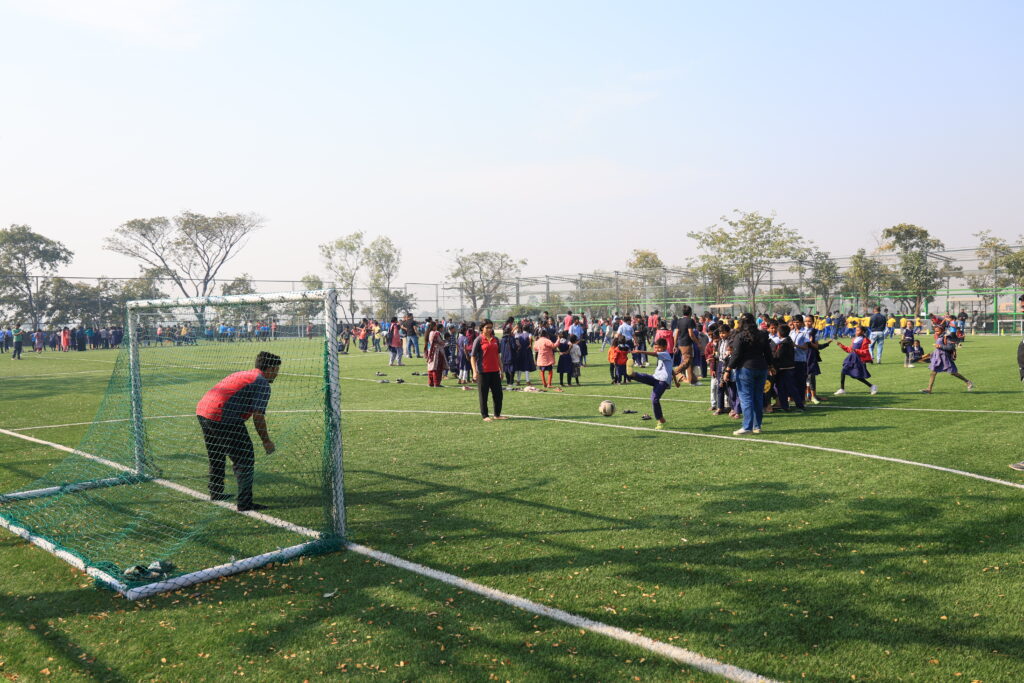
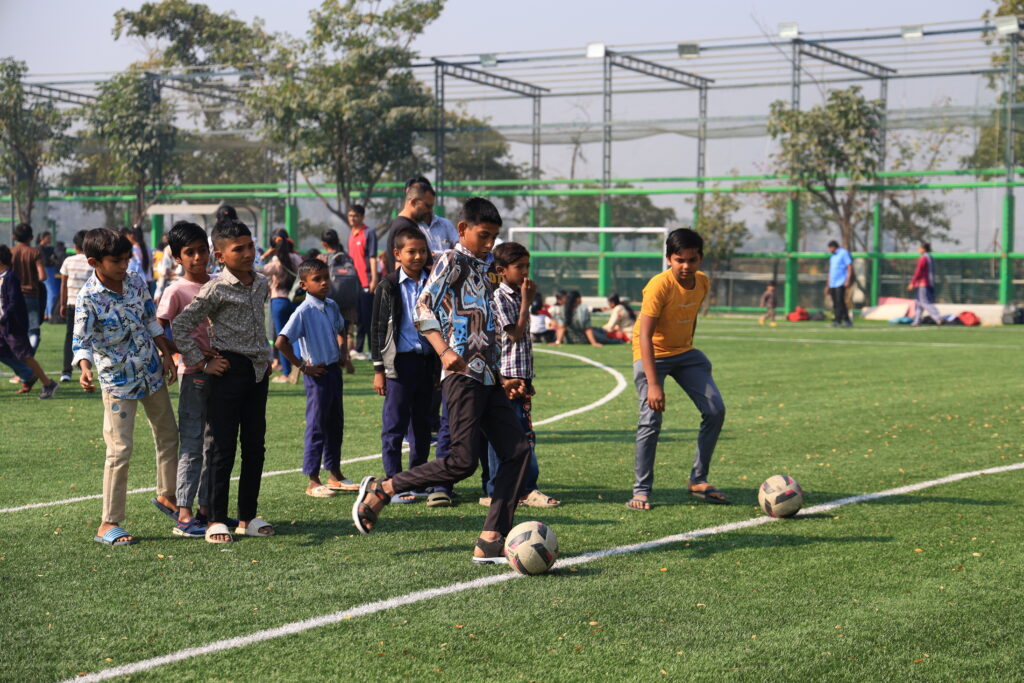
Participating in the annual children’s fair by setting up a penalty goalkeeping game stall was an incredibly fulfilling experience. With over 1,000 children in attendance, the event buzzed with energy and excitement. My role involved not only organizing and managing the stall but also engaging with the children, ensuring they had a memorable and enjoyable time. This endeavor provided me with invaluable insights into my capabilities and areas for growth, aligning seamlessly with the IB CAS learning outcomes.
1. Identifying Strengths and Areas for Growth
Through this experience, I discovered a natural ability to connect with children, fostering an environment where they felt encouraged and enthusiastic. However, I also recognized the need to enhance my crowd management skills, especially during peak times when the stall was overwhelmingly busy. This realization has motivated me to seek opportunities that will help me develop better organizational strategies and patience in high-pressure situations.
2. Undertaking Challenges and Developing New Skills
Setting up and managing the penalty goalkeeping stall presented several challenges, from designing an engaging game that appealed to a wide age range to ensuring safety protocols were meticulously followed. Navigating these challenges required me to develop problem-solving skills and adaptability. For instance, when unexpected weather changes occurred, I quickly improvised by relocating the stall to a sheltered area, ensuring the continuity of the game. These experiences enriched my skill set, preparing me for future endeavors in event management.
3. Initiating and Planning a CAS Experience
The conception and execution of the penalty goalkeeping stall required thorough planning and initiative. I began by brainstorming ideas that would be both fun and beneficial for the children, settling on a game that combined physical activity with skill development. This involved coordinating with suppliers for equipment, designing a schedule to accommodate the large number of participants, and collaborating with volunteers to assist in managing the stall. This meticulous planning ensured the stall operated smoothly and was well-received by the attendees.
4. Showing Commitment and Perseverance
The success of the stall was a testament to sustained commitment and perseverance. From the initial planning stages to the event day, I dedicated numerous hours to ensure every detail was addressed. Despite facing obstacles such as equipment malfunctions and time constraints, I remained steadfast in my commitment, often working late hours to resolve issues. This unwavering dedication not only ensured the stall’s success but also reinforced the importance of resilience in achieving goals.
5. Demonstrating Collaborative Skills
Collaboration was a cornerstone of this endeavor. Working alongside a team of volunteers, we pooled our diverse skills to create an engaging experience for the children. Effective communication and delegation were crucial, as each member had specific responsibilities, from managing the queue to coaching the participants. This collective effort not only streamlined operations but also fostered a sense of camaraderie and shared purpose among the team.
6. Engaging with Issues of Global Significance
While the event was local, it touched upon the global issue of promoting physical activity among children in an increasingly sedentary world. By encouraging participation in the penalty goalkeeping game, we aimed to instill the importance of regular exercise and its benefits. This experience underscored the impact of grassroots initiatives in addressing broader societal challenges, highlighting how local actions can contribute to global well-being.
7. Considering the Ethics of Choices and Actions
Throughout the planning and execution of the stall, ethical considerations were paramount. Ensuring the safety and well-being of the children was the top priority, leading to decisions such as implementing strict supervision and using age-appropriate equipment. Additionally, we emphasized inclusivity, ensuring children of all abilities could participate and enjoy the game. This conscientious approach reinforced the importance of ethical decision-making in creating a positive and equitable environment for all participants.