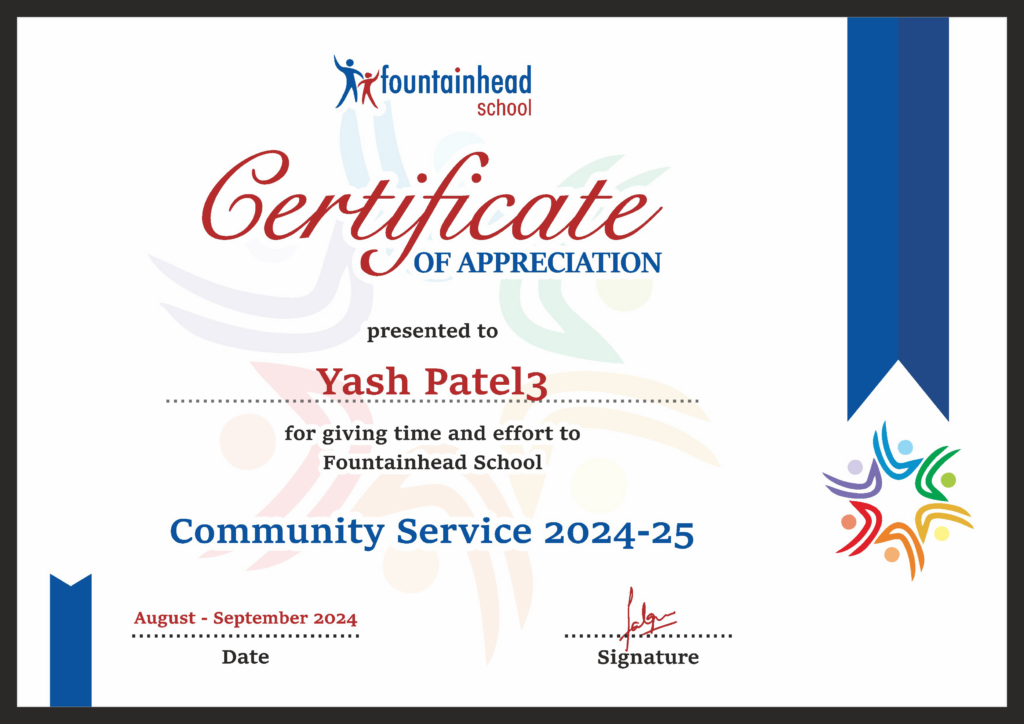
As part of my CAS Service component, I had the privilege of teaching mathematics to primary school students belonging to the native government school, many of whom come from underprivileged backgrounds. This experience allowed me to contribute meaningfully to their education while also developing essential personal and interpersonal skills. It was not only an opportunity to share my knowledge but also a chance to reflect on the global significance of equitable education and grow as an individual.
LO1: Identify own strengths and develop areas for growth
From the outset, I recognized my proficiency in mathematics as a key strength due to my interest in finance. I have always enjoyed the subject and knew how to simplify complex concepts into manageable lessons. However, teaching in a classroom setting revealed areas for personal growth. For instance, I initially lacked confidence when standing in front of a class and struggled with effective communication. Moreover, the language barrier posed additional challenges as some students were more comfortable speaking their regional language. Gradually, I improved my confidence and developed ways to communicate more effectively using visual aids, gestures, and simpler vocabulary. By the end of the program, I was able to teach independently and engage the students with greater clarity and assurance.
LO2: Demonstrate That Challenges Have Been Undertaken, Developing New Skills
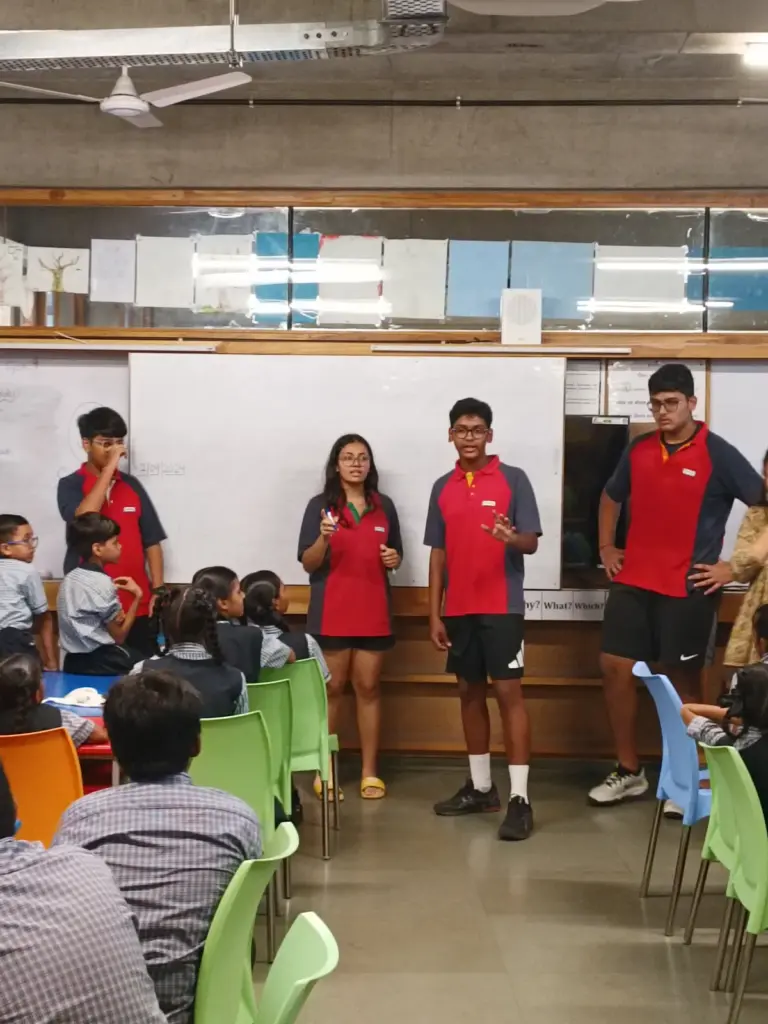
Teaching an entire classroom was a daunting challenge, especially as I had no prior experience in this area. Beyond the usual difficulties of managing a large group, the language barrier required me to find creative methods of communication. I started using interactive tools like drawings, games, and objects such as blocks and beads to convey concepts such as addition, subtraction, and multiplication. This not only made learning fun for the students but also helped me develop problem-solving and adaptive teaching skills. Overcoming these challenges taught me the value of patience and persistence, as well as the importance of tailoring teaching methods to meet diverse needs.
LO3: Demonstrate how to initiate and plan a CAS experience
The program required careful planning to ensure that the lessons were both engaging and accessible to the students. My peers and I collaborated to design lesson plans that included interactive activities, hands-on tasks, and practical examples. We divided the curriculum into manageable segments and assigned specific topics to each team member. This process taught me how to anticipate potential difficulties, such as language barriers and varying levels of prior knowledge, and address them effectively through preparation.
LO5: Demonstrate the skills and recognize the benefits of working collaboratively
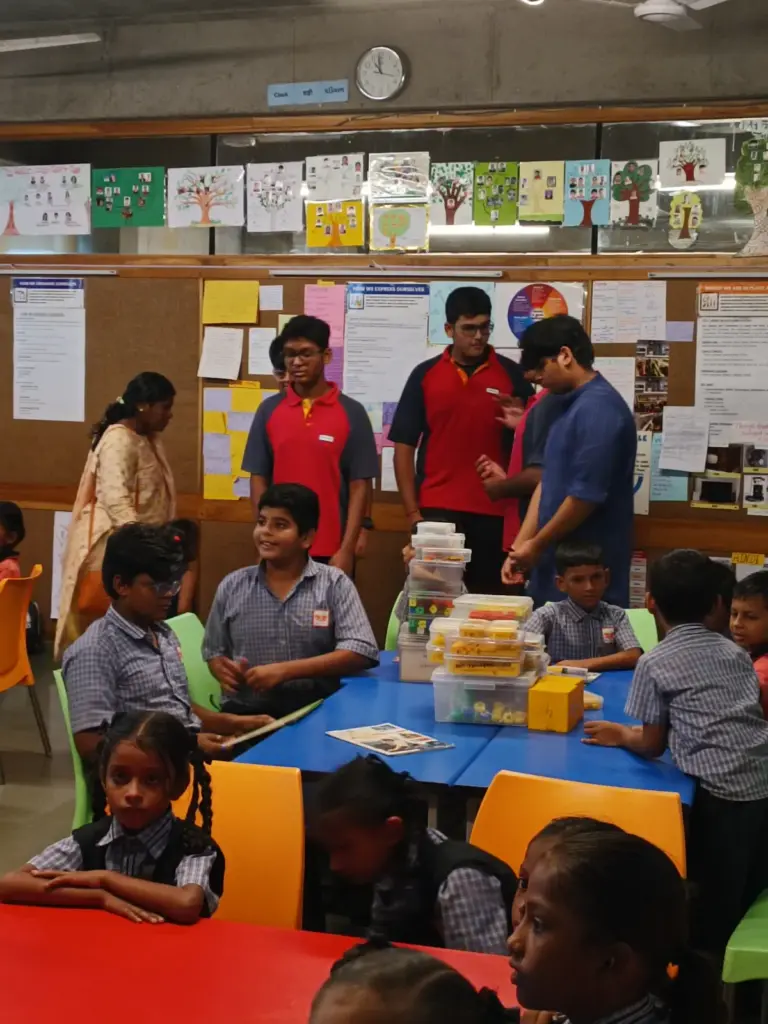
The community service project was a team effort, and working collaboratively with my peers played a crucial role in its success. Initially, we faced challenges with coordination and consistency in our teaching methods, which created confusion among the students. However, through regular discussions and feedback, we established a clear plan and distributed responsibilities. By sharing the workload and supporting one another, we created a cohesive teaching environment that benefited both the students and ourselves. This experience reinforced the importance of teamwork and highlighted how collaboration can amplify individual efforts to achieve a shared goal.
LO6: Demonstrate engagement with issues of global significance
Education is a universal right, yet many underprivileged children lack access to quality education due to socio-economic disparities. Through this project, I was able to address this issue on a small scale by providing math lessons to children who otherwise might not have had the resources or opportunities to learn. This experience reminded me of the importance of bridging educational gaps and inspired me to continue advocating for equal access to education, which aligns with SDG 4: Quality Education.
To sum it up, teaching mathematics to underprivileged students was a transformative experience that taught me far more than I expected. The language barrier, initial nervousness, and unfamiliarity with teaching required me to step out of my comfort zone and develop new skills, such as adaptability, creativity, and teamwork. By the end of the program, I saw the students gain confidence in their math skills, which was incredibly fulfilling. Additionally, I demonstrated the learner profiles of being a communicator and reflective, as I adapted to challenges and constantly improved my approach. This experience not only helped me grow as an individual but also reaffirmed the power of education to create meaningful change in the lives of others.