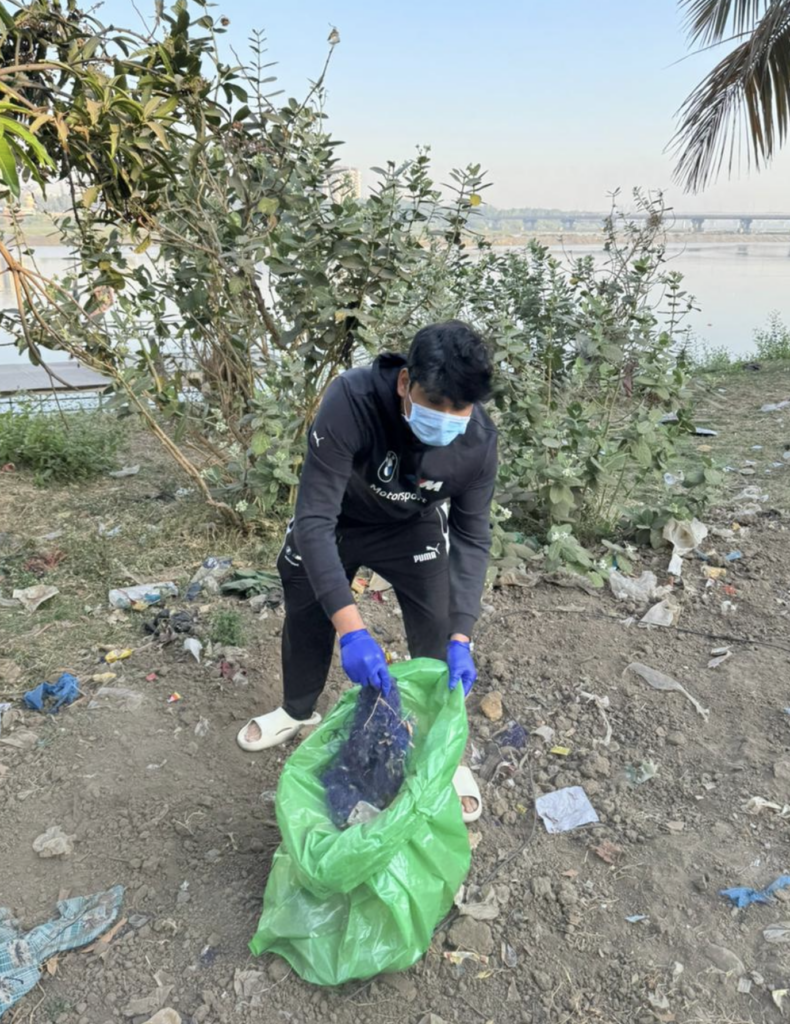
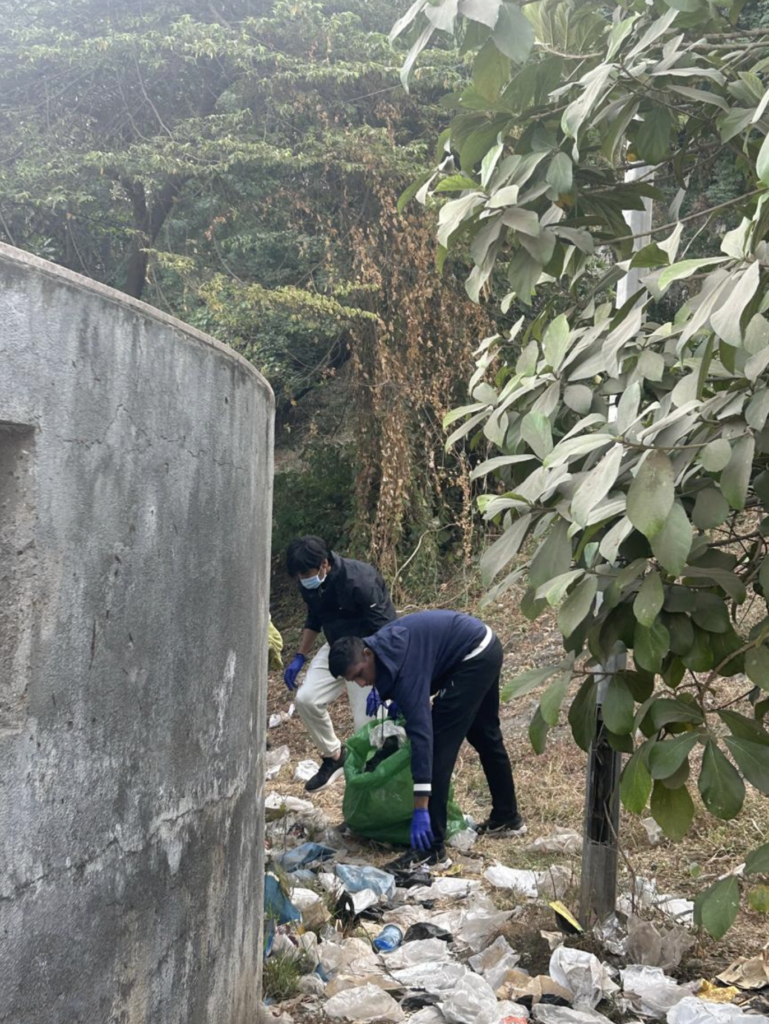
Environmental conservation is a global concern, and I had the chance to contribute directly through the beach cleaning drives organized by my school. These early morning efforts at places like Nanpura Navdi Ovaro and Dumas Beach were about more than just picking up litter—they were a way to actively serve the environment and simultaneously grow as an individual. These experiences provided valuable lessons about the importance of community involvement and the impact even small actions can have on a larger scale.
LO1: Identify your own strengths and develop areas for personal growth.
Participating in these drives allowed for self-reflection and highlighted both strengths and areas for development. I strengthened perseverance through challenging conditions, learning to push myself even when faced with early mornings and inclement weather. Teamwork was also reinforced through collaboration with peers, contributing to a shared goal. Simultaneously, I recognized the need to improve time management, learning to balance the demands of the drives with my academic commitments. The experience instilled discipline, reinforcing commitment and the value of contributing to something larger than myself, a value I will carry forward. This newfound discipline will be invaluable in future endeavors.
LO2: Demonstrate that challenges have been undertaken, developing new skills in the process.
Cleaning large areas and dealing with the diverse types of waste presented a significant challenge, but I learned to break down the work into manageable sections, making the task less daunting. Dealing with various waste types required adaptability and a systematic approach, and I gained proficiency in waste segregation, learning to distinguish between different materials. I also became familiar with proper hazardous waste disposal procedures, prioritizing safety. These hands-on experiences not only boosted my confidence in tackling environmental challenges but also equipped me with practical skills. I now feel more empowered to contribute to sustainable solutions and address environmental issues effectively.
LO3: Demonstrate how to initiate and plan a CAS experience.
While the beach cleaning drives were initiated by my school, I actively contributed to the planning and execution of the activities, gaining valuable insights. My role extended beyond participating; I organized garbage bags and enforced safety protocols, ensuring everyone wore gloves and masks. This provided a practical understanding of organizing such events, from coordinating with local authorities to resource management, and the importance of logistics. I now appreciate the importance of meticulous planning and attention to detail for impactful service activities, learning how to make a real difference.
LO4: Show commitment to and perseverance in CAS experiences.
Attending the early morning drives, especially in bad weather, required significant commitment and dedication. There were times when I questioned my resolve, but seeing the beach transform motivated me to continue. This reinforced the value of determination and long-term goals, even when faced with obstacles and discomfort. Consistent effort, even in adversity, can lead to significant positive change, and this experience cemented that belief. It showed me that even small contributions can make a big difference.
LO5: Demonstrate the skills and recognize the benefits of working collaboratively.
Working with peers and mentors emphasized teamwork and the power of collective action. We divided tasks based on individual strengths, creating a sense of shared responsibility and maximizing our efficiency. I learned the importance of clear communication, active listening, and mutual respect within a team, fostering a positive and productive environment. Collaborative work made it not only efficient but also enjoyable and rewarding, strengthening our bond and sense of community. It also provided a sense of shared accomplishment.
LO6: Demonstrate engagement with issues of global significance.
Pollution and environmental degradation are pressing global issues. These drives showed me the direct impact of human actions on the environment, making the issue tangible. I became more conscious of how daily choices contribute to these problems, from consumer habits to waste disposal. They connected local cleanup efforts to the broader context of global sustainability and the health of our planet. I now have a deeper understanding of the interconnectedness of ecosystems and the importance of adopting sustainable practices to protect them.
LO7: Recognize and consider the ethics of choices and actions.
Seeing the effects of careless waste disposal made me reflect deeply on my own habits and the ethical implications of my choices. I realized the far-reaching consequences of seemingly small actions, from plastic in the ocean to pollution on the beach. This instilled a stronger sense of environmental ethics, prompting me to make more conscious and sustainable choices in my daily life. I strive to reduce waste, recycle diligently, and advocate for more environmentally responsible practices within my community, recognizing my role in the larger problem.
Conclusion
The beach cleaning drives were transformative, fostering personal growth and a deeper understanding of environmental issues. They taught the power of small, consistent actions and the importance of collective responsibility in addressing global challenges. I emerged with a renewed commitment to conservation and a stronger sense of purpose. The lessons learned, skills acquired, and sense of community gained will stay with me, shaping my future actions and contributions. I am committed to continuing this work.