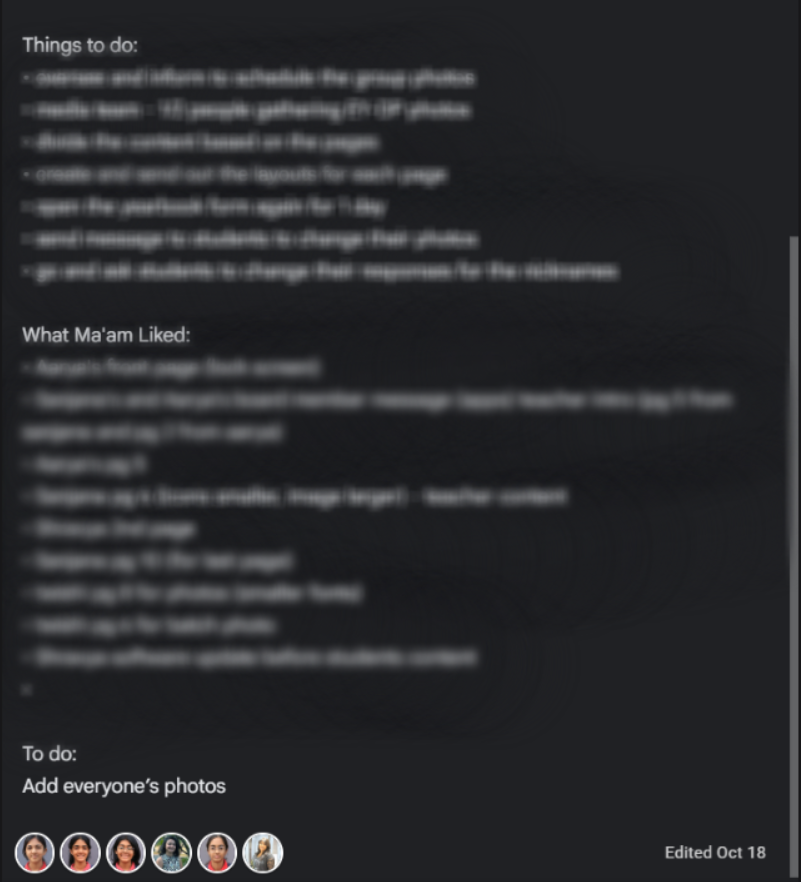
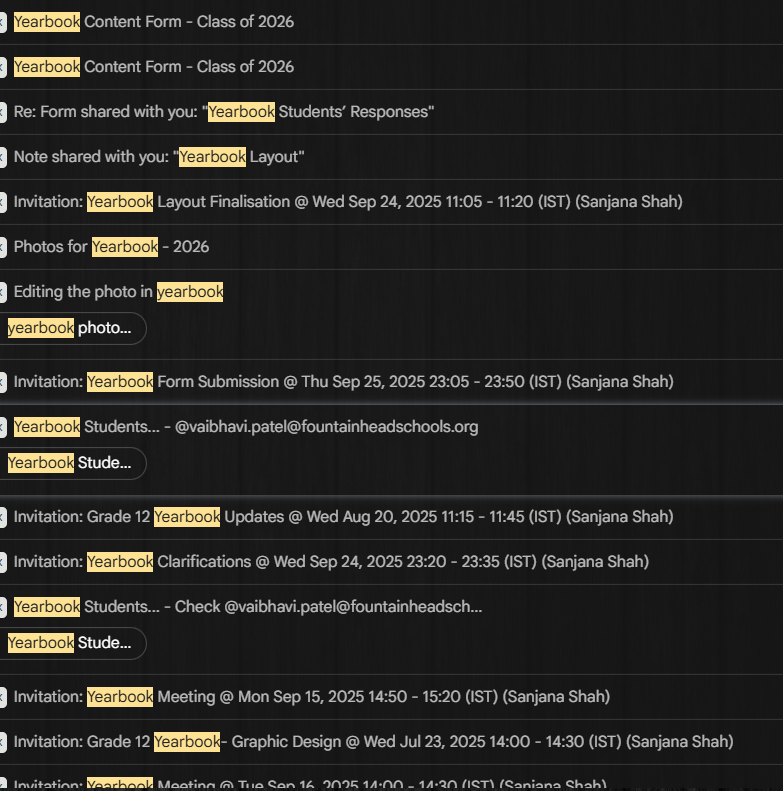
This year, my CAS project was creating the school yearbook, which turned out to be one of the biggest projects I’ve taken on. From finalising the theme to designing the pages, making forms, collecting responses, and coordinating with the entire grade, the process required a mix of creativity, planning, teamwork, and responsibility.
LO1 – Identify own strengths and develop areas for growth
Working on the yearbook helped me understand my strengths more clearly. I realised that I’m naturally good at organising information, keeping track of details, and coming up with visual ideas that fit a theme. My basic experience with Canva also helped me design layouts quickly. At the same time, I noticed areas where I could improve—especially working under pressure and handling large amounts of data without feeling overwhelmed. I also recognised that my communication skills could be more assertive, especially when coordinating with classmates who sent late or incomplete information.
LO2 – Demonstrate that challenges have been undertaken, developing new skills
This project came with challenges at every stage. Sorting through dozens of responses, handling delays, and making sure the designs matched the aesthetic we envisioned pushed me to develop new skills. I had to learn to manage my time since I had to balance working on the project and my studies. I also learned how to troubleshoot layout issues, fix formatting inconsistencies, and adapt quickly when we had to change ideas mid-way.
LO3 – Initiate and plan a CAS experience
Creating a yearbook meant starting from scratch. We first brainstormed theme ideas and eventually finalised one that felt modern, cohesive, and fun. After that, we planned what pages were needed, drafted detailed Google Forms, and created a timeline for collecting and organising responses. I divided tasks by priority—like designing templates early so content could be added later. We set internal deadlines for layouts, photos, and edits, which helped us stay structured throughout the process.
LO5 – Demonstrate skills and benefits of working collaboratively
This project would have been impossible alone. Working with my team made the entire experience smoother and more enjoyable. We constantly communicated to split responsibilities, check each other’s designs, and make decisions together. When someone fell behind, others stepped in to help. Collaborating also made the creative process richer—everyone brought different design styles, ideas, and problem-solving approaches. Sharing the workload helped us finish faster and with better quality than any one of us could have achieved individually.
LO7 – Recognise and consider the ethics of choices and actions.
A yearbook involves handling personal information and representing people accurately, so ethics played a big role. We had to make sure no one’s responses were misrepresented, edited unfairly, or left out. We also needed to be careful about which photos we included, ensuring consent and avoiding anything that could make someone uncomfortable. Throughout the project, we made sure that our choices respected students’ privacy, identities, and preferences.