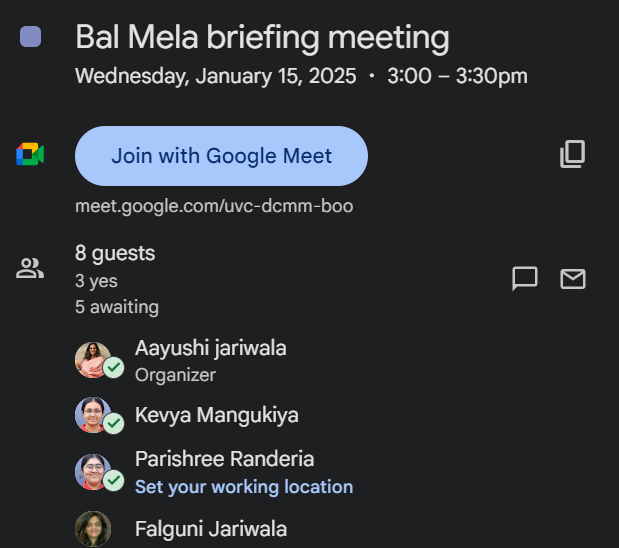
On February 8th, 2025, My schoolmates and I led and organized Bal Mela, a school-wide event dedicated to bringing happiness, creativity, and meaningful interaction to children from underprivileged backgrounds. From arranging games and activities to managing volunteers and ensuring that resources were distributed efficiently, this experience taught me leadership, empathy, and organizational skills.
LO1: Identifying Strengths and Areas for Growth
Leading Bal Mela helped me identify several strengths I didn’t fully recognize before—especially my ability to organize, communicate, and motivate others. Coordinating multiple activities simultaneously required strong time management and planning. I realized I was good at delegating responsibilities, ensuring that each volunteer understood their role and that the event moved smoothly from one activity to another.
However, this experience also helped me identify some areas for improvement, particularly in stress management and flexibility. There were moments when things didn’t go as planned—like when materials arrived late or an activity setup took longer than expected—and I initially felt overwhelmed. I learned that as a leader, staying calm under pressure and quickly finding solutions is crucial. This helped me grow as a person and a planner, realizing that leadership is not just about giving instructions but about staying composed and adaptable in every situation.
LO2: Overcoming Challenges and Developing New Skills
Bal Mela was not without its challenges. Organizing an event for a large number of children meant managing logistics, volunteers, and time—all at once. One major challenge was ensuring that every child participated equally and that activities ran smoothly without confusion. I had to develop better communication and problem-solving skills on the spot, often adapting to situations quickly when things didn’t go as planned.
Another new skill I developed was resource management. Since this was a large-scale event, I had to ensure that materials, snacks, were distributed fairly and efficiently. This required careful planning and coordination among volunteers. Through this, I learned the importance of anticipating needs ahead of time and having backup plans in place.
This project also enhanced my event management and leadership abilities, as I had to make quick decisions while keeping everyone motivated. It was fulfilling to see how these challenges turned into opportunities to grow and gain confidence in my ability to lead.
LO3: Initiating and Planning a CAS Experience
My peers and I began by brainstorming the event concept and then created a structured plan that included the timeline, list of activities, number of volunteers, and resources needed. Once the plan was finalized, I organized meetings with my peers to assign responsibilities and ensure everyone knew their tasks.
From designing the schedule of games to ensuring transport and materials were ready on time. The most rewarding part of the planning process was seeing my ideas turn into action on the event day. I learned that initiative is about combining vision with execution, and true planning involves foreseeing potential issues and preparing for them.
Through this project, I developed leadership, coordination, and decision-making skills, while also understanding how important effective communication and teamwork are when turning an idea into reality.
LO4: Showing Perseverance and Commitment
Throughout the preparation process, there were several setbacks—changes in schedules, last-minute adjustments in volunteer availability, and even weather-related concerns. Despite these challenges, I remained committed to the project’s purpose: creating a joyful and meaningful experience for the children.
There were long hours of preparation and coordination before the event, and it required constant follow-ups and adjustments. Even during the event, I had to ensure that every child was included, every volunteer was engaged, and every activity ran on time. This required consistent effort and patience. By the end of the day, despite the exhaustion, I felt deeply satisfied knowing that my perseverance helped make the event successful.
LO5: Demonstrating Skills and Benefits of Working Collaboratively
Although I was leading the project, Bal Mela was a team effort. I worked closely with my peers, assigning them to various roles such as managing specific game stations, handling materials, and ensuring children’s safety. Coordination and clear communication were essential, and I quickly realized that teamwork works best when everyone feels valued and heard.
We held several discussions before the event to share ideas and anticipate potential challenges. Working collaboratively allowed us to combine diverse perspectives, which improved the overall quality of the event. I learned that as a leader, part of my role is to encourage and support my team, rather than just delegate tasks. Seeing everyone come together with enthusiasm and dedication made me appreciate how collective effort leads to success.
LO6: Engagement with Issues of Global Significance
Bal Mela focused on providing quality education and joyful learning experiences for children from underprivileged backgrounds, aligning with the UN Sustainable Development Goal 4 – Quality Education. This experience made me reflect on the educational inequalities that exist in society and how small initiatives like ours can bring awareness and make a difference.
While playing and learning with these children, I realized how access to creative, hands-on experiences can inspire them and boost their confidence. It reinforced the idea that education is not limited to classrooms—it also includes experiences that nurture creativity, collaboration, and happiness. By engaging with these children, I became more aware of the broader issue of equal opportunities in education and how community-driven events can contribute positively.
LO7: Recognizing and Considering the Ethics of Choices and Actions
Ethics played an important role throughout this project. I had to ensure that every decision—whether about the activities, prizes, or how we interacted with the children—was made respectfully and fairly. It was crucial that all children felt included, regardless of their background, and that the volunteers treated everyone with kindness and empathy.
Additionally, I made sure that the activities were age-appropriate and safe, keeping in mind the responsibility we had as organizers. We also emphasized the value of teamwork, cooperation, and learning through play, which helped promote a positive and inclusive environment. This experience reminded me that ethical responsibility is about making decisions that respect the dignity and well-being of others, especially when working with vulnerable groups like children.